USC Student Sues Trump Administration After Losing Eye at LA Protest
Tucker Collins, a 19-year-old USC student, sues Trump administration over eye injury from federal projectile at LA protest on March 28.
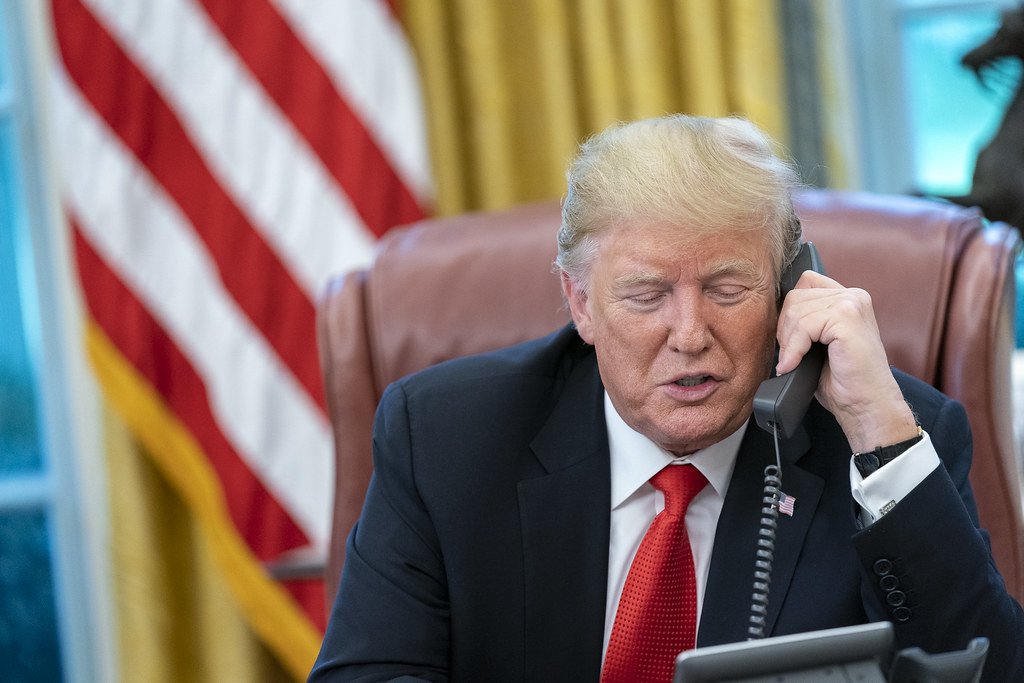
The White House/Flickr
Tucker Collins, a 19-year-old student at the University of Southern California, has filed a lawsuit against the Trump administration after losing his right eye during a protest outside the Metropolitan Detention Center in Los Angeles on March 28. The suit alleges that Department of Homeland Security officers used excessive and unjustified force by firing a projectile that caused his injury.
Details of the Injury and Lawsuit
The lawsuit, filed Monday in the U.S. District Court for the Central District of California, centers on the incident during the “No Kings” demonstration, which opposed immigration enforcement policies. Collins was photographing the protest with a Sony FX30 camera when he was struck in the right eye by a federal projectile. According to the complaint, Collins was standing approximately 20 to 30 feet from the detention center fence and was not approaching it, throwing objects, or threatening officers when federal agents began firing less-lethal munitions around 5 p.m.
The injury resulted in the loss of Collins’ right eye, a fact central to his claim of excessive force. The lawsuit names the U.S. government and unidentified federal officers, referred to as Does 1 through 10, reflecting uncertainty about who fired the projectile.
Context of the Protest and Federal Response
The “No Kings” demonstration was part of a broader wave of protests against the Trump administration’s immigration enforcement, with participants accusing federal authorities of overreach. Protesters gathered outside the fenced detention center, a sensitive federal site, where officers reportedly deployed crowd-control tools such as less-lethal projectiles.
Federal agencies classify these weapons as “less-lethal,” intended to reduce the risk of severe injury compared with firearms, but the lawsuit highlights that such munitions can still cause permanent harm, especially if they strike the head or face.
Unresolved Questions and Legal Process
A key unresolved issue is the identity of the officer who fired the projectile. Collins’ attorneys stated that when the lawsuit was filed, the responsible officer had not been identified. This complicates the legal process, as determining liability may require examination of video footage, deployment records, personnel assignments, and witness testimony.
The government has not publicly responded to Collins’ specific allegations, and the lawsuit represents only one side’s account. The legal process will allow the government to respond, contest the claims, or seek dismissal as the case proceeds through discovery and potential litigation.
Significance of the Case for Crowd-Control Policies
This case arrives amid ongoing debates about how law enforcement should manage protests near federal sites. Authorities argue that crowd-control measures are necessary to protect facilities and maintain order, particularly when demonstrations become volatile. However, protesters and civil liberties advocates contend that deployment of chemical agents and impact munitions can be overly broad and cause harm to bystanders, including journalists.
Collins’ lawsuit places federal crowd-control tactics under legal scrutiny, focusing on the use of less-lethal weapons and the circumstances under which they are deployed, especially regarding the safety of non-threatening individuals documenting protests.
The outcome of this case may influence how federal agencies approach crowd management and accountability for injuries sustained during demonstrations near sensitive federal locations.
As the litigation moves forward, more details may emerge about the incident and the government’s response, but for now, Collins’ lawsuit highlights critical questions about the balance between security measures and civil rights.