Why July 7 Is Set to Be a Monster Day for SpaceX’s Future
SpaceX gears up for a record-breaking July 7 with two major launches and a groundbreaking Starship test flight.
SpaceX/Pexels
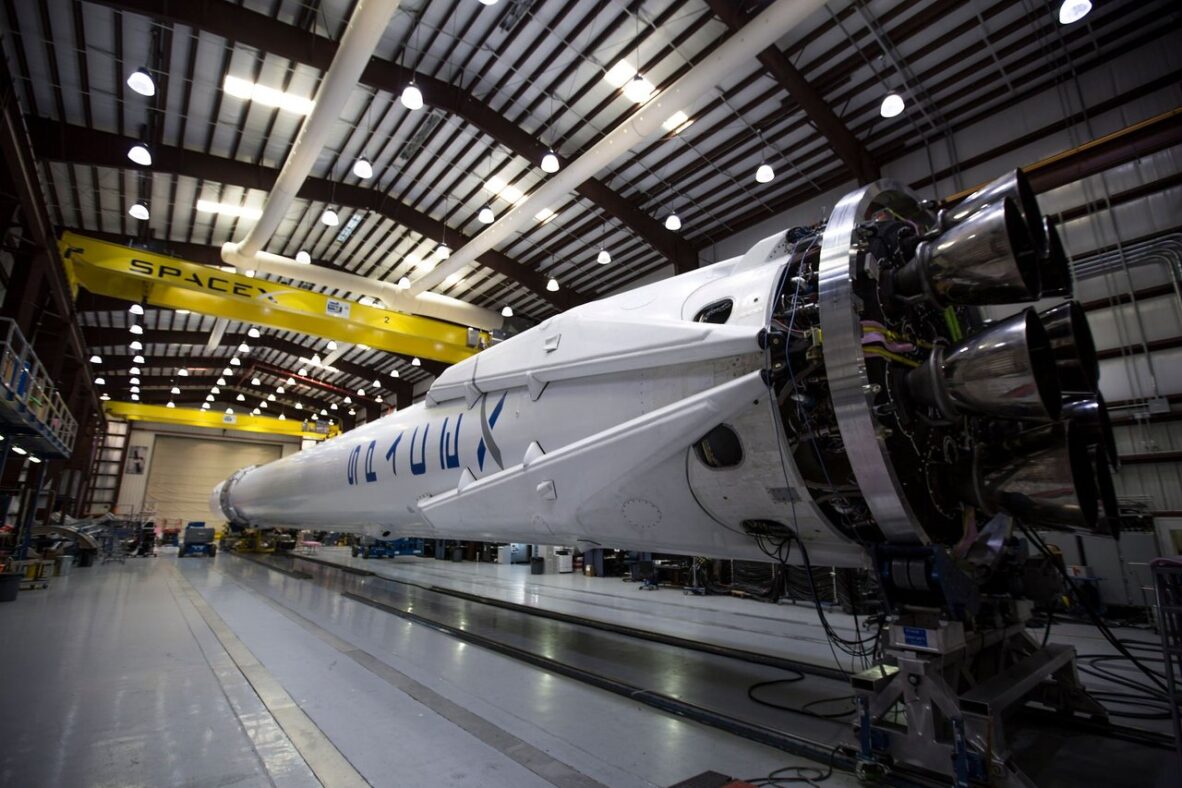
SpaceX is preparing for what could be one of its busiest and most significant days yet on July 7, 2024. The private aerospace giant plans to execute two major Falcon 9 launches alongside a critical Starship test flight, all scheduled within hours of each other. This ambitious slate of activities highlights SpaceX’s accelerating pace and its push toward commercial and exploratory space milestones. The events will take place primarily out of SpaceX’s launch facilities in Florida and Texas, marking a pivotal moment in the company’s 2024 launch cadence and future ambitions.
Two Falcon 9 Launches Targeting Key Commercial and Government Missions
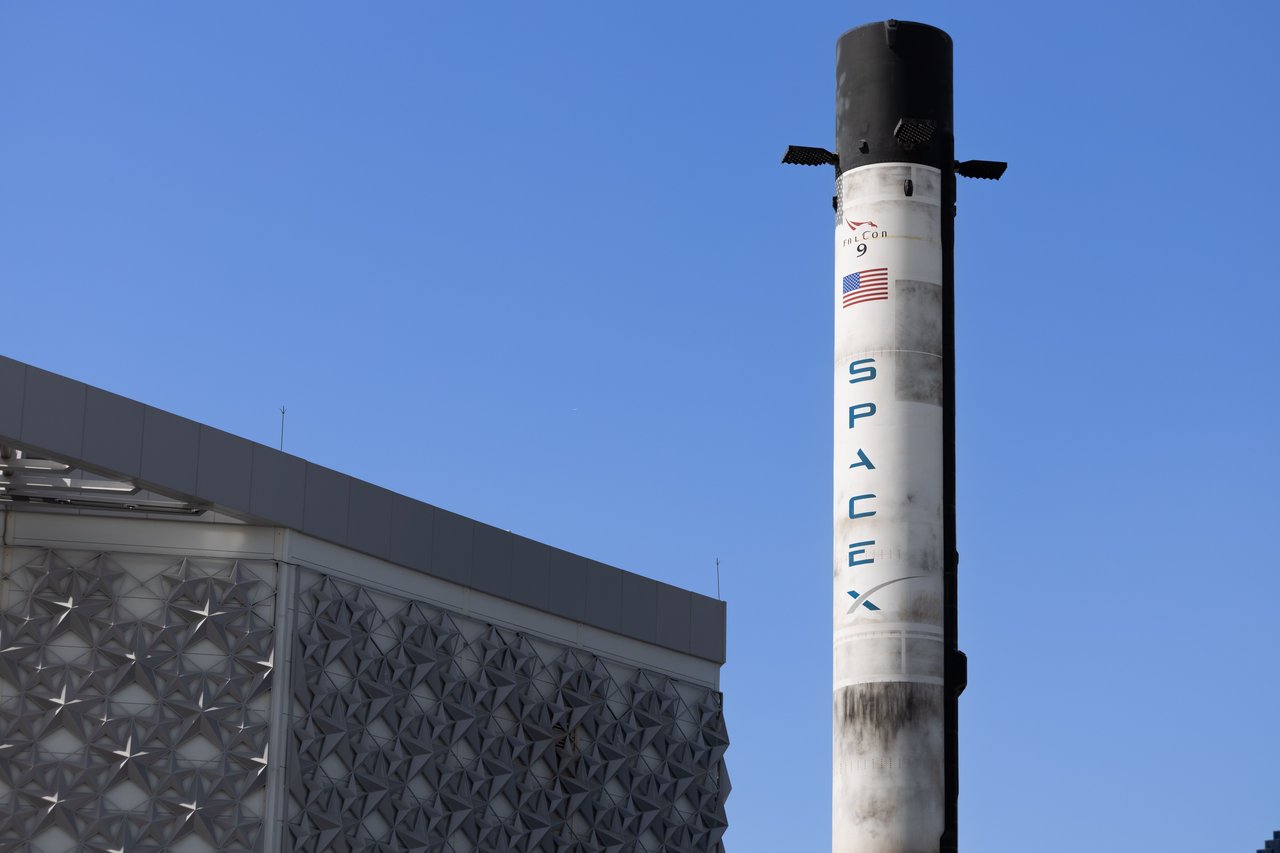
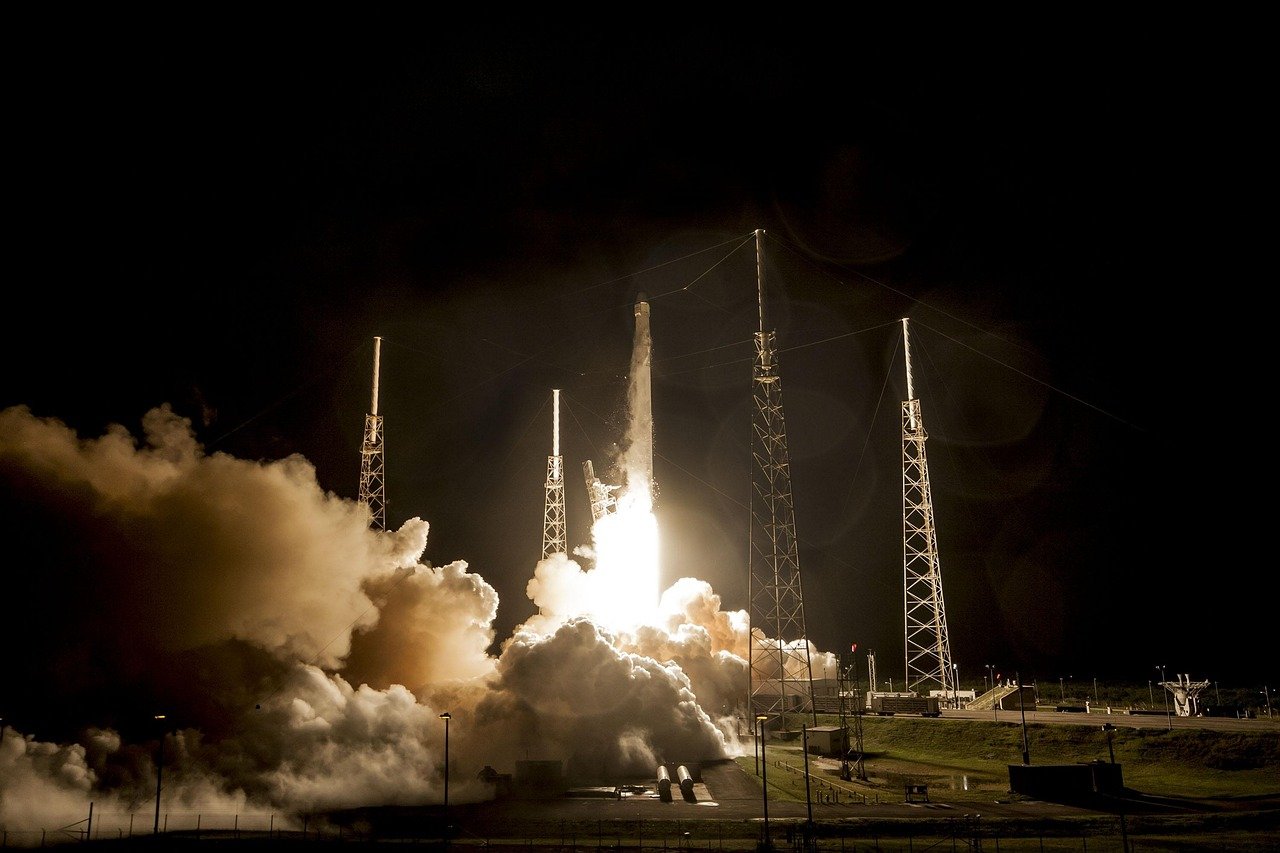
On July 7, SpaceX is set to launch two Falcon 9 rockets carrying payloads for both commercial customers and government agencies. The first launch will take place at Cape Canaveral Space Force Station in Florida, deploying a batch of Starlink satellites intended to expand the broadband internet coverage across underserved regions globally. This mission is crucial in advancing SpaceX’s Starlink constellation, which already boasts thousands of satellites in orbit.
The second Falcon 9 launch is scheduled just hours later at Vandenberg Space Force Base in California, delivering a classified payload for the U.S. Space Force. While details remain under wraps, experts speculate the mission supports national security initiatives, further underscoring SpaceX’s growing role as a key defense contractor. Successfully coordinating two separate launches in one day from different coasts illustrates SpaceX’s logistical prowess and operational maturity.
Starship’s Groundbreaking Test Flight From Boca Chica
Perhaps the most anticipated event on July 7 is the planned high-altitude test flight of Starship from SpaceX’s Boca Chica launch site in Texas. Starship represents SpaceX’s next-generation fully reusable spacecraft designed to carry humans and cargo to the Moon, Mars, and beyond. The test flight will evaluate critical systems such as atmospheric reentry, landing capabilities, and engine performance.
After several previous test flights, this upcoming mission aims to push the envelope by flying higher and demonstrating more complex maneuvers. Achieving success here will mark a major milestone toward SpaceX’s long-term goal of establishing a sustainable off-world presence and reducing space travel costs dramatically. The test flight’s outcome will be closely watched by industry analysts, investors, and space enthusiasts worldwide.
Implications for SpaceX’s Business and Space Industry Leadership
July 7’s ambitious launch schedule is more than just a busy day; it signals SpaceX’s continued dominance in the commercial space sector and its evolution into a multi-faceted space transportation provider. The successful deployment of Starlink satellites directly supports SpaceX’s revenue stream from global internet services, while government launches enhance its stature as a trusted contractor for national security missions.
Meanwhile, Starship’s test flight underscores the company’s visionary push beyond Earth orbit, which could redefine space exploration in the coming decades. Industry observers note that this triad of missions on a single day illustrates SpaceX’s unique ability to manage complex operations and innovate simultaneously, giving it a competitive edge over traditional aerospace companies.
Challenges and Risks on This High-Stakes Day

While the excitement is palpable, July 7 also comes with heightened risks. Launching multiple missions across different sites requires flawless coordination and weather cooperation. Any delay or technical issue could cascade, impacting subsequent launches. Furthermore, Starship’s test flight, with its advanced technology and ambitious goals, carries inherent uncertainty. Previous attempts have shown the challenges of perfecting a reusable heavy-lift vehicle.
SpaceX has contingency plans and a track record of resilience, but the pressure to perform perfectly on such a packed schedule is unprecedented. The company’s engineers and mission control teams will be working around the clock to manage these risks and capitalize on the historic opportunity.
In summary, July 7, 2024, is shaping up to be a landmark day for SpaceX, combining commercial success with technological innovation. The outcomes of these launches and the Starship test flight will not only impact SpaceX’s immediate business but could also influence the trajectory of space exploration for years to come.