10 US Suburbs Where Home Values Are Quietly Crashing in 2026
Home prices are tumbling in these 10 US suburbs in 2026—most owners remain unaware of the looming losses.
Michael Tuszynski/Pexels
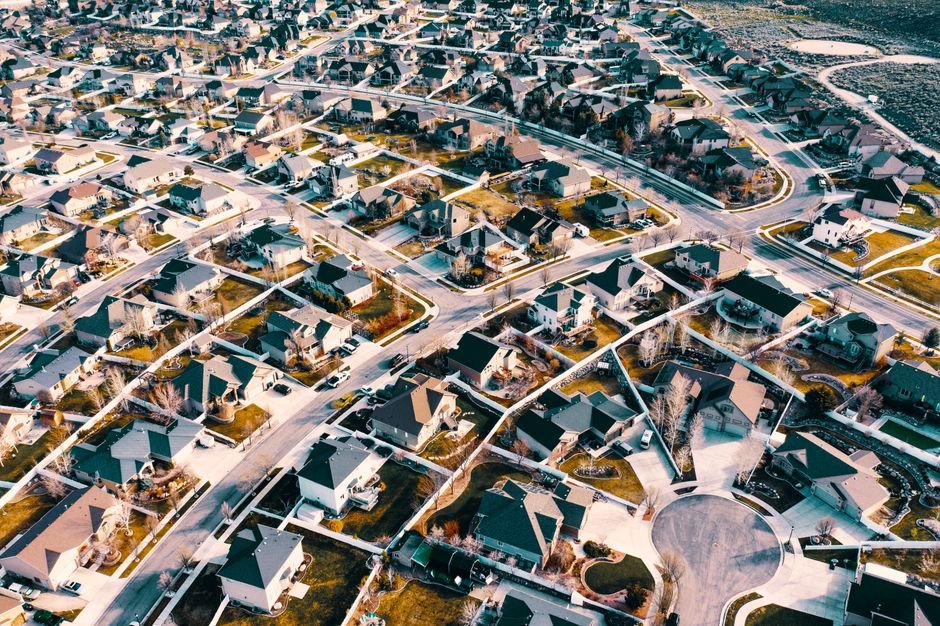
As the real estate market shifts in 2026, several US suburbs that once thrived during the remote work boom are now seeing sharp declines in home values. Many residents have yet to grasp the severity of these drops, leaving them vulnerable to unexpected financial setbacks. Here are 10 suburbs quietly facing collapsing home prices this year.
1. Mount Olive, New Jersey

Mount Olive experienced a surge in homebuyers during the early 2020s remote work wave, but in 2026, values have dropped nearly 12% compared to last year. The local economy’s slow recovery after manufacturing layoffs and a lack of new tech employers is contributing to declining demand. Homes once viewed as safe investments are now sitting longer on the market.
2. Wayne, New Jersey
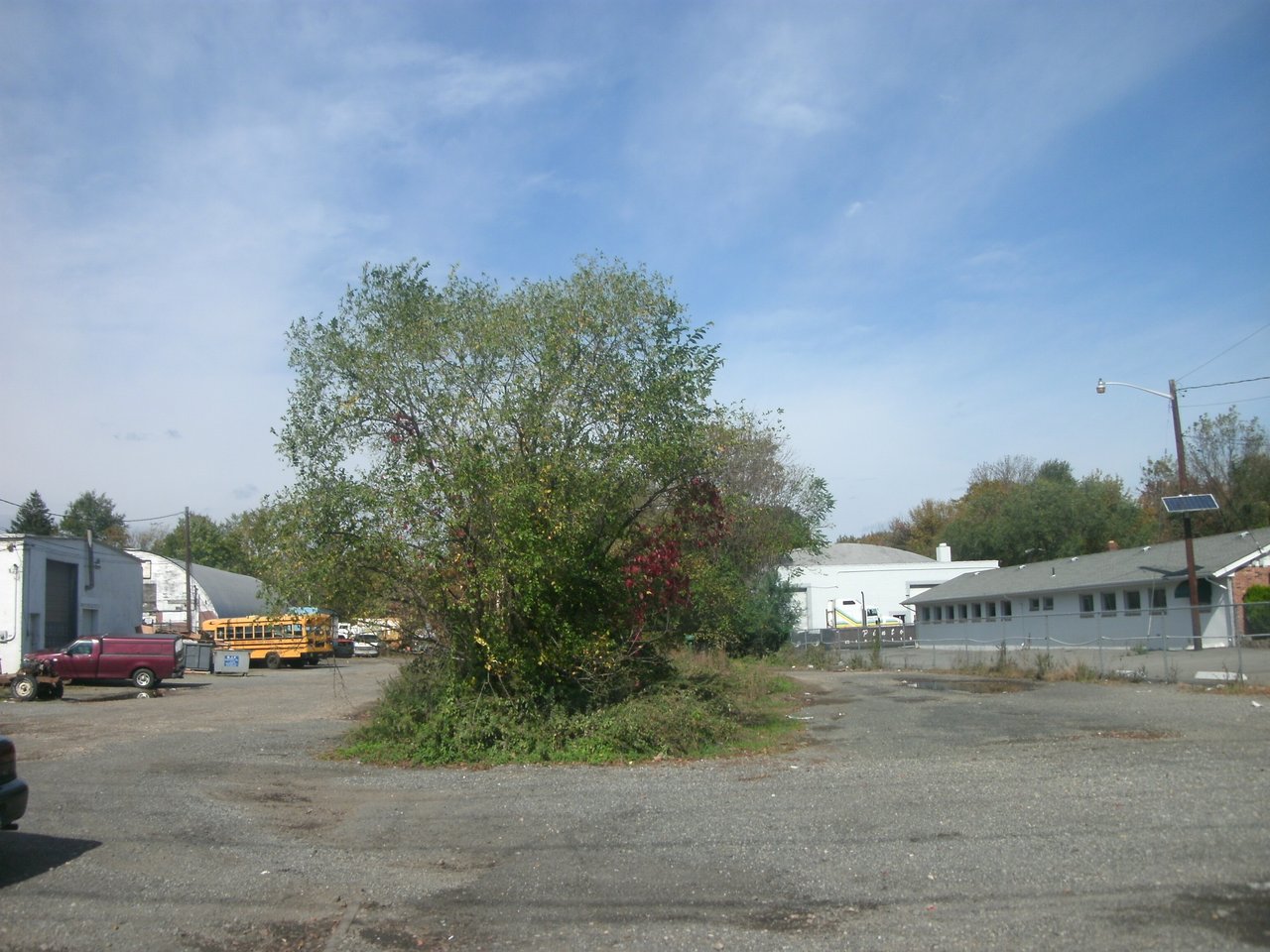
Wayne’s proximity to New York City made it a hotspot for commuters during the pandemic, but as hybrid and office returns increase, demand has tapered off. Prices have dipped 9% since early 2026, driven by rising mortgage rates and a saturated local market. Many homeowners are still unaware their property values are slipping amid fewer bidding wars.
3. Duplin County, North Carolina
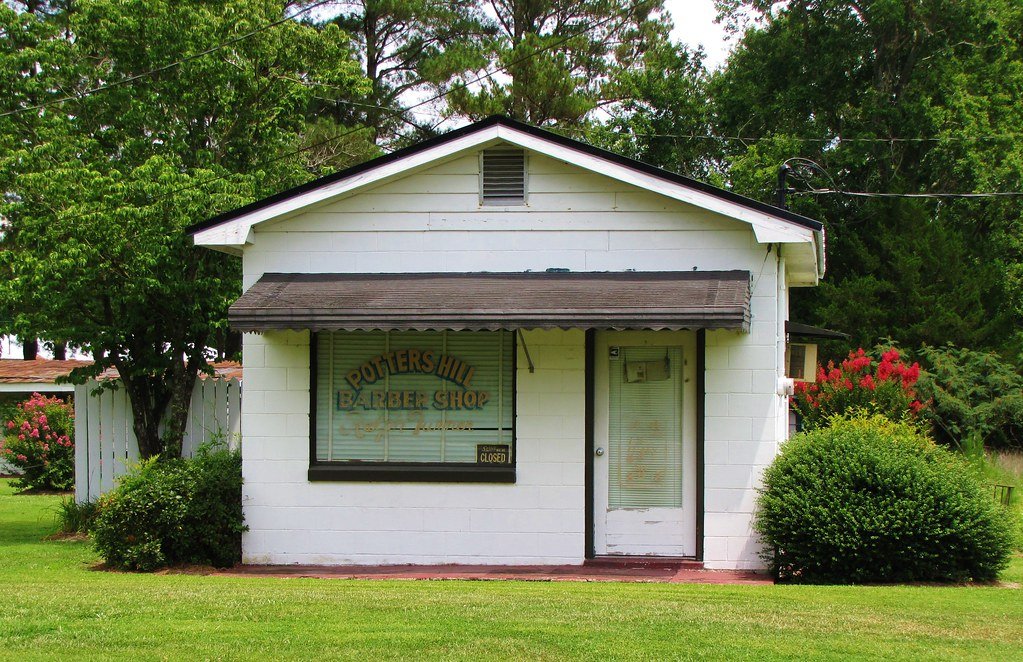
Duplin County’s affordability attracted remote workers escaping urban costs, but recent industrial setbacks and limited infrastructure improvements have cooled the housing market. Home values have declined by around 10% in 2026, with inventory growing as sellers hesitate to drop prices further, creating a stagnant market.
4. Prince George’s County, Maryland
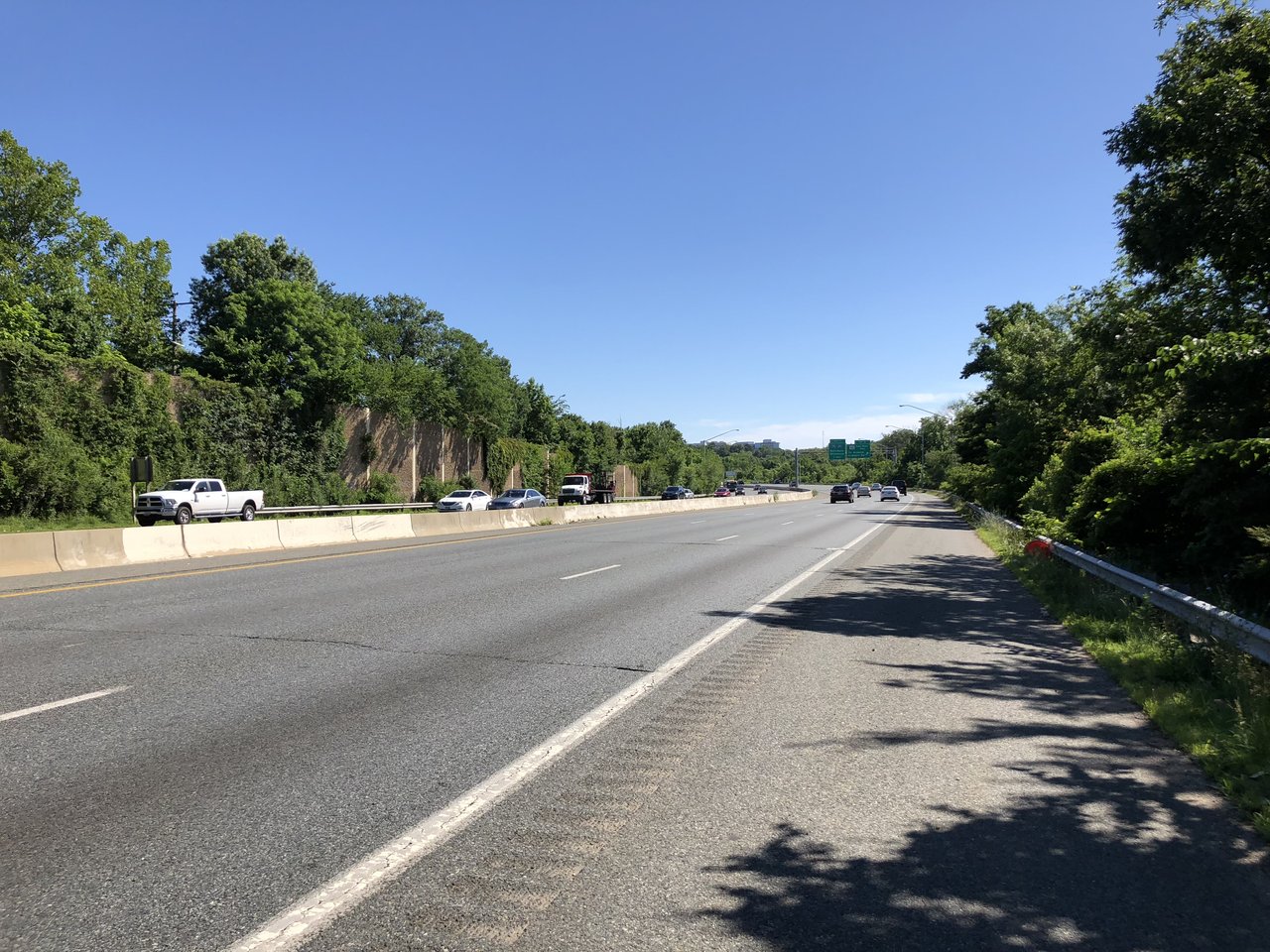
Once seen as an emerging suburb for affordable housing near DC, Prince George’s County is now witnessing a 14% drop in median home prices this year. Increased crime rates and slower economic growth have made buyers wary, resulting in longer listing times and price reductions across many neighborhoods.
5. Mount Laurel, New Jersey
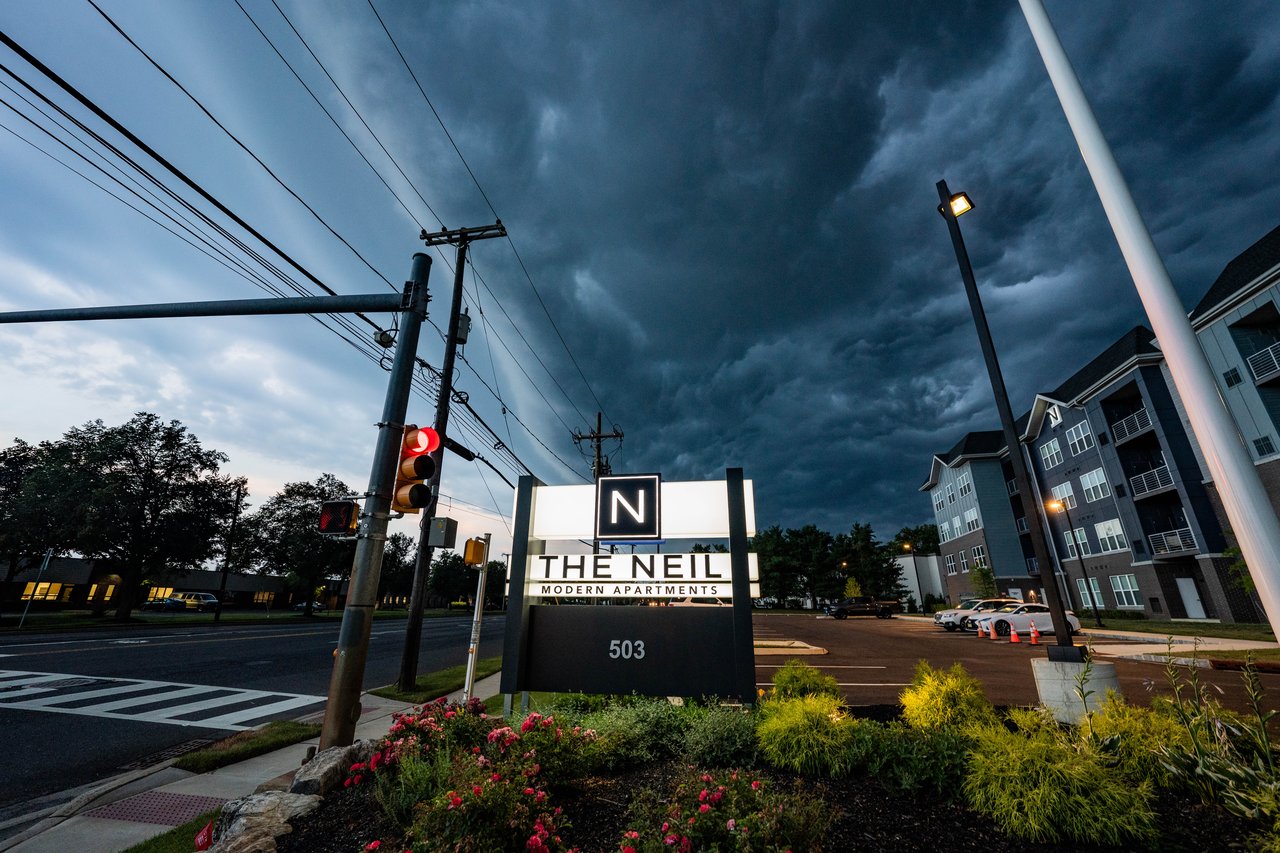
Mount Laurel’s commuter-friendly location and family-oriented amenities fueled rapid home price growth during 2020-2023. However, in 2026, the market is cooling with a 7% decline in values, partly due to rising property taxes and a shift back toward urban living preferences among younger buyers.
6. Jackson Township, New Jersey
Jackson Township saw a housing boom as remote workers sought suburban space, but with 2026’s rising interest rates and increased inventory, prices have fallen approximately 8%. The slowdown in local retail development has also dampened buyer enthusiasm, leaving some recent homeowners underwater on their mortgages.
7. Clinton Township, New Jersey
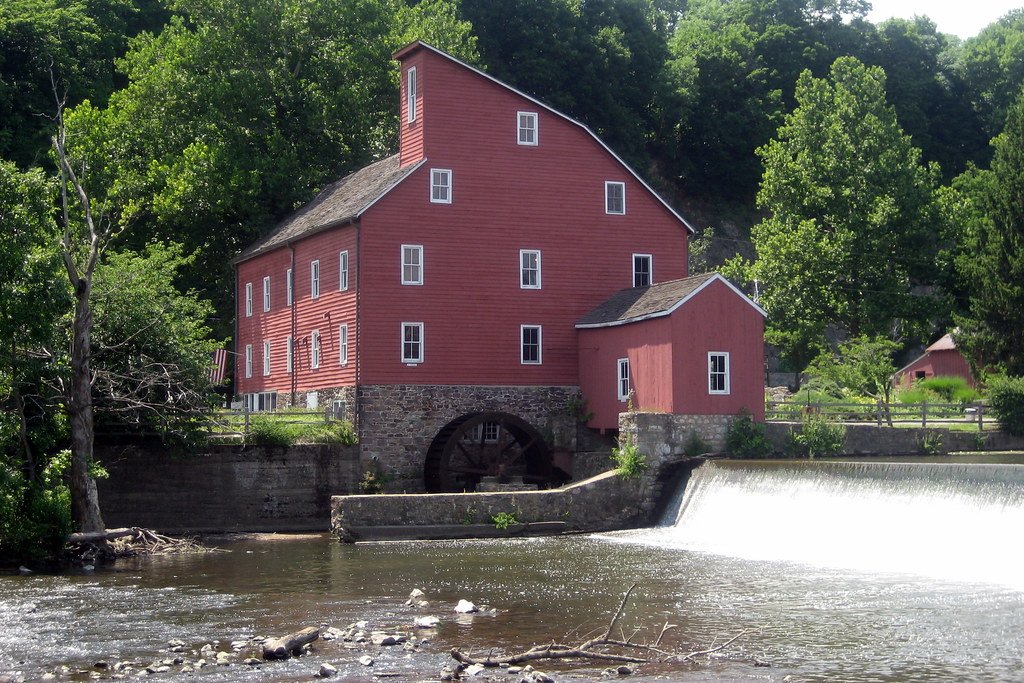
Clinton Township’s real estate market is softening after a period of rapid price appreciation. In 2026, median home values have dropped by around 11%, reflecting a combination of oversupply and shifting buyer priorities toward more affordable or urban options. Sellers are beginning to lower prices to attract interest.
8. Mount Holly, New Jersey
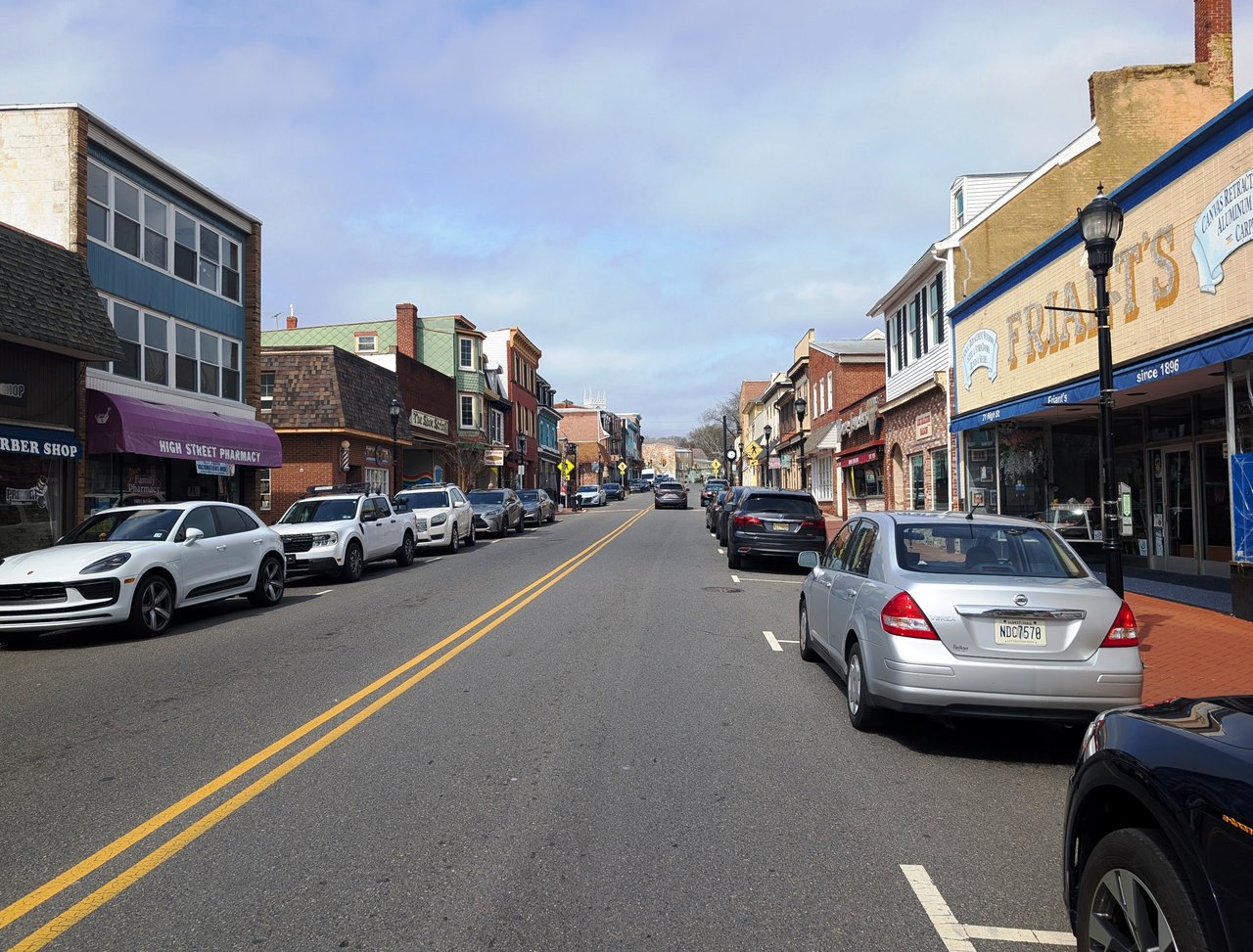
Mount Holly’s historic charm and lower entry prices attracted many first-time buyers in the past few years, but in 2026, the neighborhood faces a 13% decline in home values. Factors include limited job growth and increased competition from nearby towns with better school ratings and amenities.
9. Harnett County, North Carolina
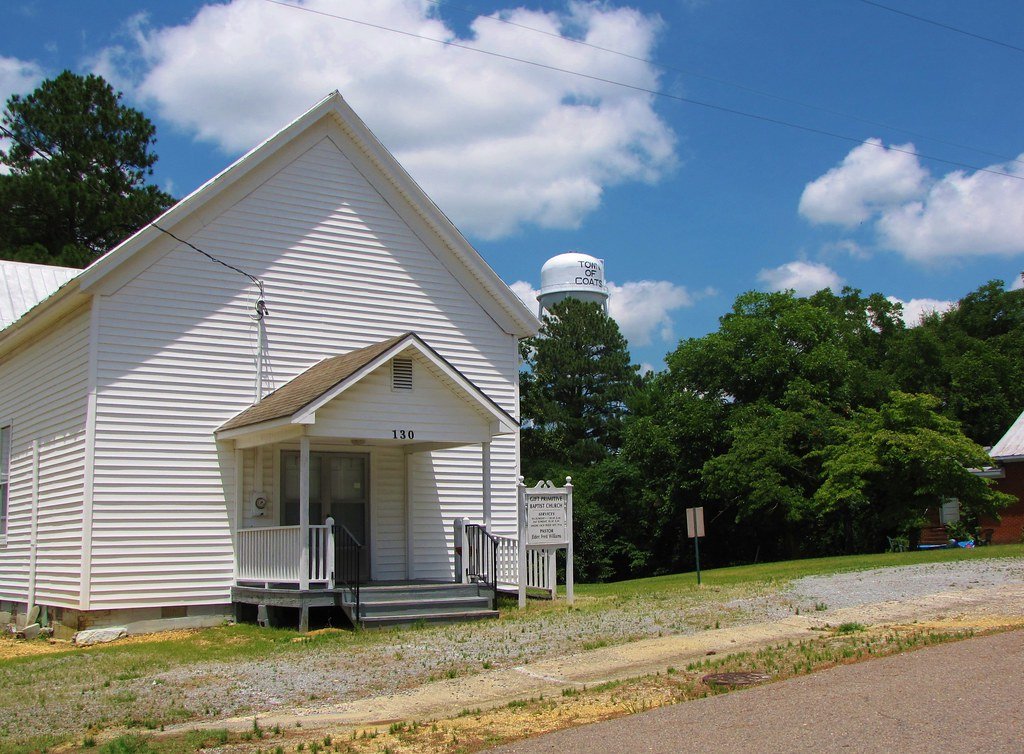
Harnett County’s rural appeal waned in 2026 as remote work normalized and buyers prioritized communities with stronger economic prospects. Home prices have dropped nearly 9%, with many properties remaining unsold due to outdated listings and lack of modern infrastructure.
10. Parsippany-Troy Hills, New Jersey

Parsippany-Troy Hills, once a pandemic-era hotspot for suburban living, is now experiencing a 10% drop in home prices amid growing mortgage costs and a rebound in urban rental markets. The shift back to city centers has left many suburban homes overvalued and vulnerable to price corrections.
These 10 suburbs illustrate a broader trend affecting many formerly booming residential markets in 2026. Homeowners who bought during the remote work surge may soon face the reality of declining property values, underscoring the importance of local economic fundamentals and evolving buyer preferences in today’s housing market.