A Resurgent Movement: Voting Rights Advocates Mobilize in the Post-VRA Era
Following a Supreme Court decision weakening the Voting Rights Act, activists across the South are reporting increased momentum and community engagement.
Associated Press
In the wake of a significant Supreme Court decision that curtailed the reach of the federal Voting Rights Act, a palpable surge of energy is animating voting rights advocates throughout the Southern United States. The April 29th ruling, which invalidated a majority-minority congressional district in Louisiana, has been met with a swift and aggressive response from Republican-led legislatures in states like Tennessee, Alabama, and Florida. These states are moving to redraw congressional maps, ostensibly to favor their party ahead of the upcoming November elections.

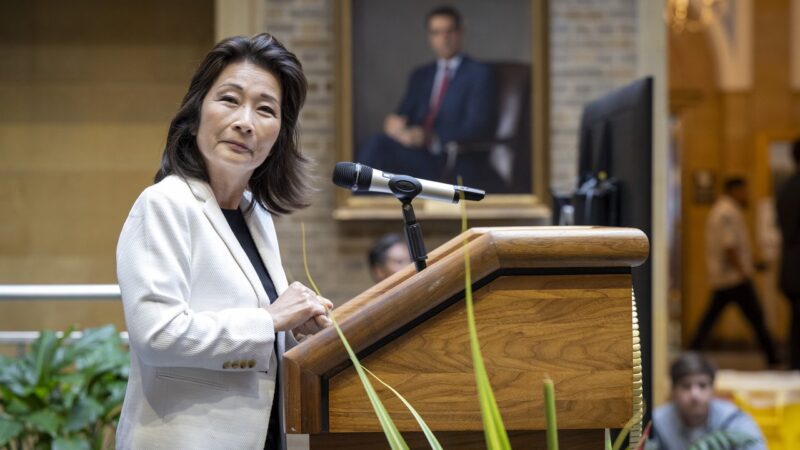
This period of intensified legislative maneuvering has been characterized by Sarah Ovaska of the Southern Leadership for Voter Engagement Network as an “unprecedented power grab.” Speaking at a recent media briefing, Ovaska highlighted the widespread and determined resistance emerging from communities. “We have witnessed in Tennessee and Louisiana activists, protesters, and organizers ensuring their presence at the legislature to document these proceedings, even through overnight sessions,” she stated.
However, Ovaska also expressed deep concern that the focus could soon shift to local governance. The potential redrawing of maps for town councils, school boards, and judicial districts poses a significant threat, potentially disenfranchising communities of color and hindering their ability to elect representatives of their choice.
In contrast, Congressman Richard Hudson (NC-09), chair of the National Republican Congressional Committee, has defended the redistricting efforts, asserting that the Callais ruling “restores fairness, strengthens confidence in our elections, and ensures every voter is treated equally under the law.” He contends that activists have long manipulated the redistricting process.
A Groundswell of Opposition Halts Redistricting in South Carolina
In South Carolina, however, a concerted effort to redraw congressional maps was successfully stalled this week in the state Senate. This victory is attributed to a combination of political opposition and a robust showing of early in-person voting.
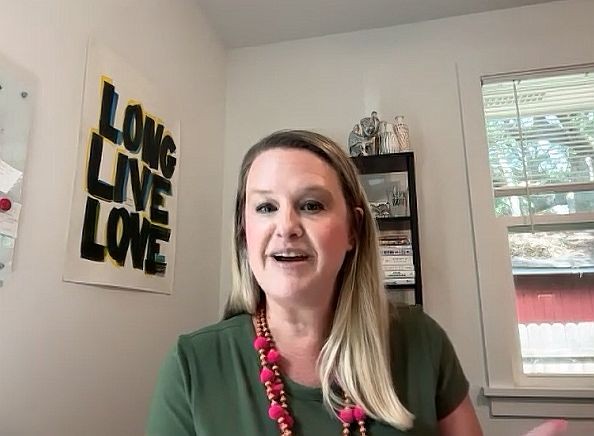
Cate Mayer, founder and executive director of Be The Ones, a nonpartisan youth voting organization, believes constituents delivered a resounding message against the rushed redistricting. “This is the first time in the four years that we have been in this state that I have seen this kind of momentum,” Mayer remarked. “We had students, mayors, city council and town council members. We had artists, parents, first-time advocates all come together and clearly say that our communities are not pieces on a political chessboard. Our voices matter.”
The first day of early voting in South Carolina saw over 56,000 voters cast their ballots, shattering all previous state records. “Despite enormous political pressure, despite attempts to rush and silence this process, South Carolinians pushed back, communities organized and at the end of the day the lawmakers felt that pressure and stood back,” Mayer added.
The Fight Continues: Educating Voters on the Broader Implications
While celebrating this significant win, Mayer stressed that the fight is far from over. Congressional maps remain a priority for the South Carolina House and Senate when they reconvene in January, and school board districts could also be subject to revision. “Equally important is that South Carolina is only one of two states in the country where our lawmakers elect our judges,” Mayer noted. “We see at this moment the importance of the courts in protecting our voting rights.” Her organization is actively working to help communities understand the connections between their ballots and the systems that govern their lives.
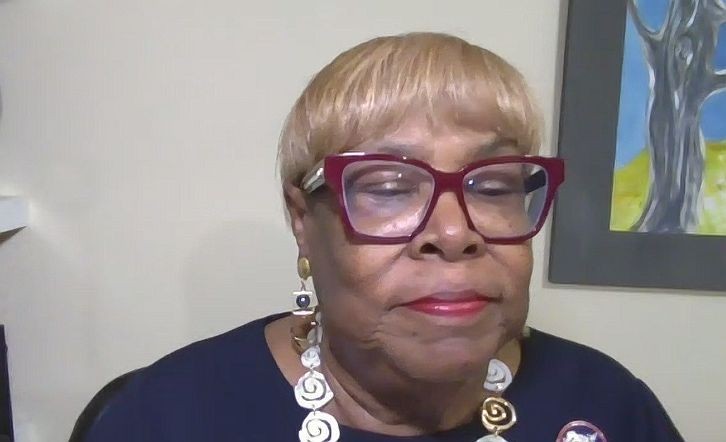
In Georgia, Helen Butler, executive director of the Georgia Coalition for the Peoples’ Agenda, is spearheading efforts to educate Georgians of color and underrepresented communities about fair representation and the critical importance of these redistricting battles. Butler anticipates that the downstream effects of the Callais decision could be “catastrophic” for Georgia, potentially leading to the loss of two congressional seats, eight state Senate seats, and 17 state House seats based on partisan criteria.
“It may be lines [on a map], but it really is lives that are at stake, because the people that make the lines and laws impact everything that happens to you in your life,” Butler emphasized. Governor Brian Kemp has called for a special session on June 17th to redraw Georgia’s political maps for the 2028 election cycle, underscoring the urgency of Butler’s work.
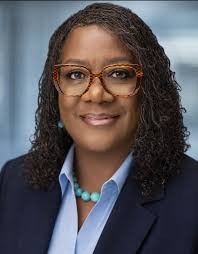
Letetia Daniels Jackson, convener of the South Alabama Black Women’s Roundtable and a plaintiff in the 2023 Allen v. Milligan case, which found Alabama’s congressional redistricting map likely violated the Voting Rights Act, remains resolute. “We are fighting and we will continue to fight,” Jackson declared. Her current focus is on engaging infrequent voters and empowering the next generation to recognize their crucial role in the redistricting process. She draws parallels to the Civil Rights Movement, emphasizing the vital role of young people in driving change. Jackson urges young voters, often disengaged outside of presidential elections, to understand the profound impact their vote has on local issues, including the allocation of tax dollars. “You have got to be involved on the local level. You’ve got to vote in every single election,” she stated.