6 ways to stay safe while camping in remote areas
Venturing into the backcountry offers a profound sense of solitude and connection with nature, but the lack of infrastructure dema
Associated Press
Venturing into the backcountry offers a profound sense of solitude and connection with nature, but the lack of infrastructure demands a heightened level of self-reliance. When you are miles from the nearest road, your safety is entirely in your own hands. Here are six essential strategies to ensure your remote expedition remains an adventure rather than a crisis.
Master the art of trip planning

Safety begins long before you leave your driveway. Detailed preparation is the most effective tool in your kit. Study topographic maps to understand the terrain, identify potential water sources, and pinpoint emergency exit routes. Research the historical weather patterns for the area and check local reports immediately before departure. Always leave a detailed itinerary with a reliable contact back home, including your expected return time and a strict protocol for when they should alert search and rescue services if you fail to check in.
Prioritize the ten essentials
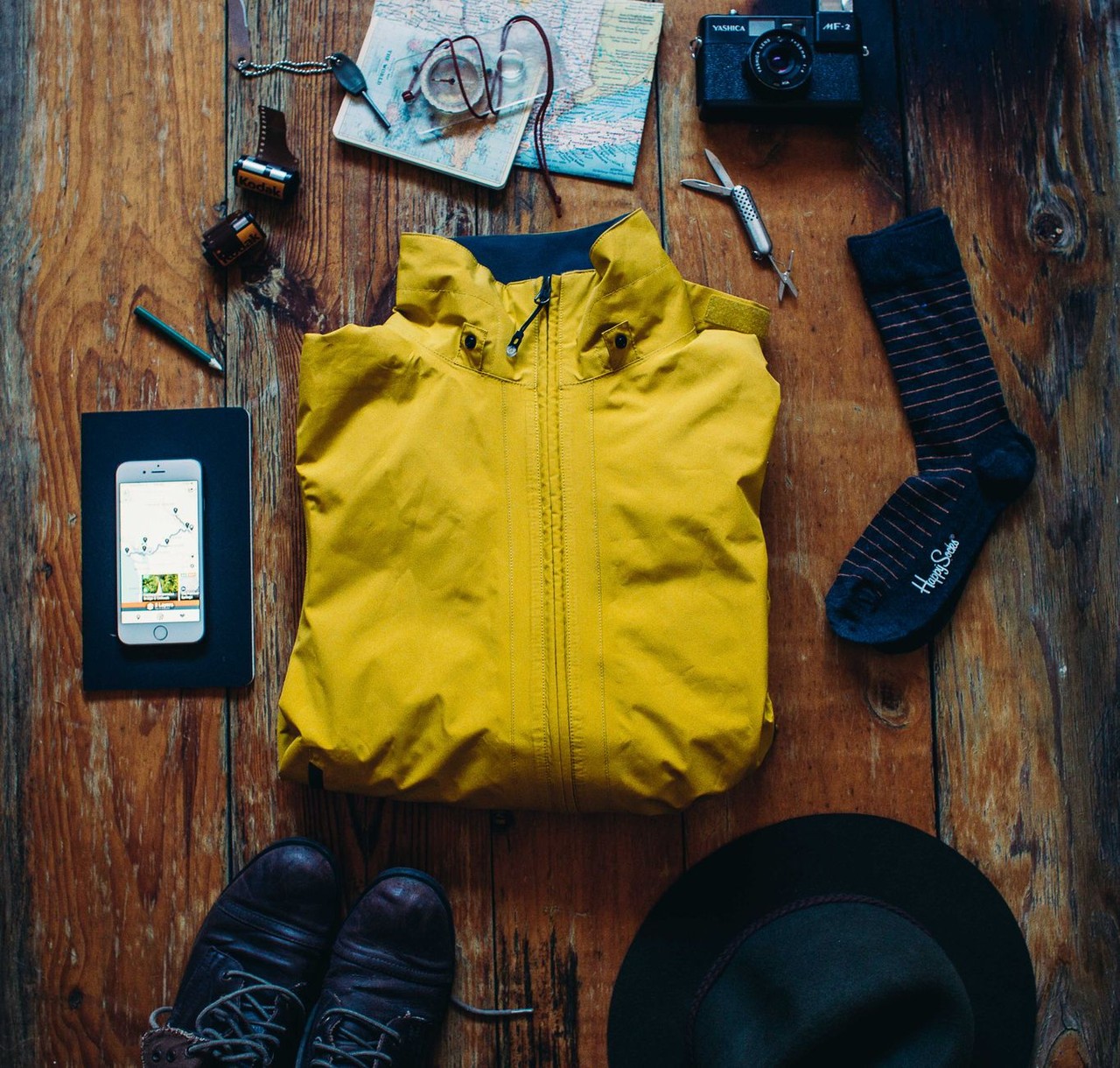
Never step into the wilderness without the Ten Essentials. This classic list includes navigation tools, a headlamp, sun protection, a first-aid kit, a knife or multi-tool, a fire starter, shelter, extra food, extra water, and extra clothing. In remote areas, these items are not merely conveniences; they are life-saving assets. Ensure your gear is tailored to the specific environment. If you are camping in high altitudes, prioritize extra insulation; if you are in a desert climate, focus on advanced water filtration and hydration systems.
Practice rigorous food and scent management
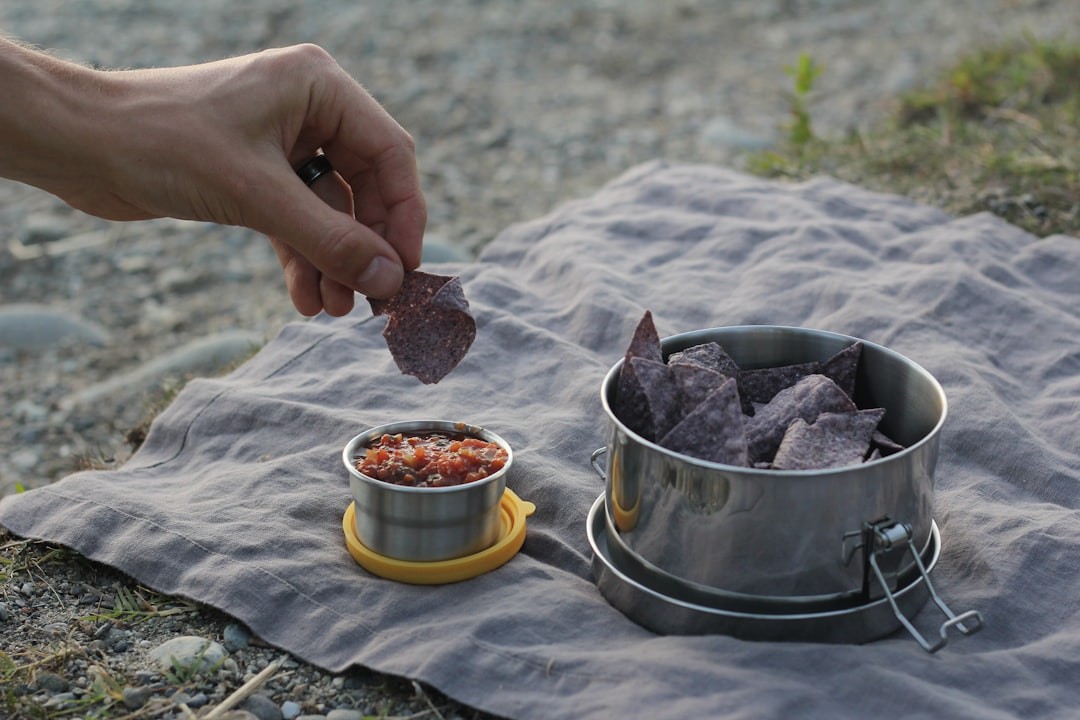
In remote territories, you are a guest in the home of apex predators. Whether you are in grizzly country or areas populated by smaller scavengers, keeping your camp scent-free is non-negotiable. Store all food, toiletries, and trash in bear-resistant canisters or use a proper hang system at least 200 feet from your sleeping area. Never keep snacks or scented items inside your tent. By minimizing your chemical footprint, you avoid attracting wildlife that can turn a peaceful evening into a dangerous encounter.
Maintain constant situational awareness
Distractions can be fatal in the backcountry. When navigating off-trail or through dense brush, stay hyper-aware of your surroundings. Watch for changing cloud formations that might signal an incoming storm, and be mindful of your physical condition. Dehydration, fatigue, and altitude sickness often manifest slowly. By listening to your body and observing the subtle shifts in the environment, you can make micro-adjustments to your pace or plans before a minor issue escalates into an emergency.
Carry reliable emergency communication
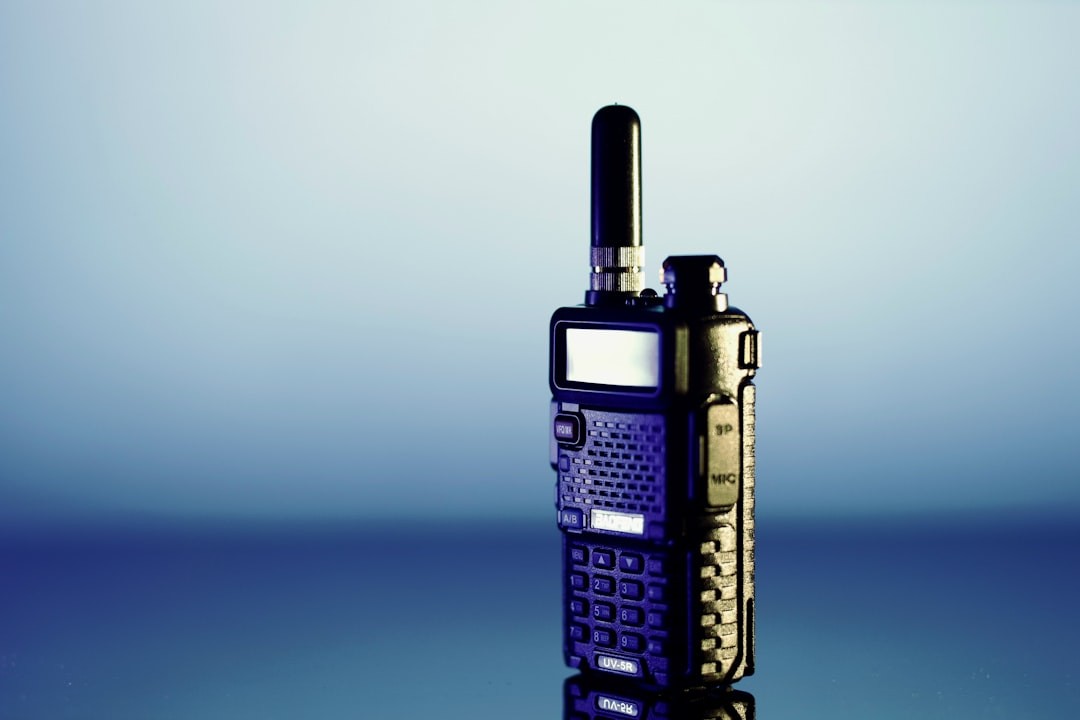
Cellular service is rarely a guarantee in the deep wilderness. Relying on your phone is a dangerous gamble. Instead, invest in a satellite messenger or a personal locator beacon. These devices allow you to send SOS signals and text messages via global satellite networks, providing a tether to help even when you are off the grid. Familiarize yourself with how the device functions in cold weather, as battery drain can occur rapidly, and keep it in an accessible pocket rather than buried at the bottom of your pack.
Respect the limits of your abilities
The remote wilderness is not the place to test your physical extremes. Accidents frequently happen when hikers push past their skill level, attempt technical crossings during high runoff, or underestimate the exertion required for a climb. If a situation feels beyond your experience, turn back. True backcountry expertise is defined by the wisdom to know when to retreat. Staying within your comfort zone ensures that you maintain the energy and judgment required to handle unexpected challenges as they arise.