6 things seasoned hikers always pack but beginners forget
The difference between a novice hiker and a veteran often comes down to the contents of their pack. While beginners frequently obs

Josiah Weiss/Unsplash
The difference between a novice hiker and a veteran often comes down to the contents of their pack. While beginners frequently obsess over heavy boots and flashy gadgets, the experienced adventurer knows that comfort and safety in the backcountry are found in the details. These six items are rarely found in a beginner’s bag but are considered non-negotiable for those who have spent years on the trail.
The Versatility of Duct Tape

Beginners often rely on specialized repair kits, but seasoned hikers know that a simple roll of duct tape is the ultimate multi-tool. Whether it is fixing a delaminating boot sole, patching a tear in a rain jacket, or creating an impromptu bandage for a blister, its utility is unmatched. Instead of carrying a bulky roll, veterans wrap a few feet of tape around their trekking poles or water bottles, ensuring they have a solution for gear failure without the extra weight.
The Reliability of a Physical Map and Compass
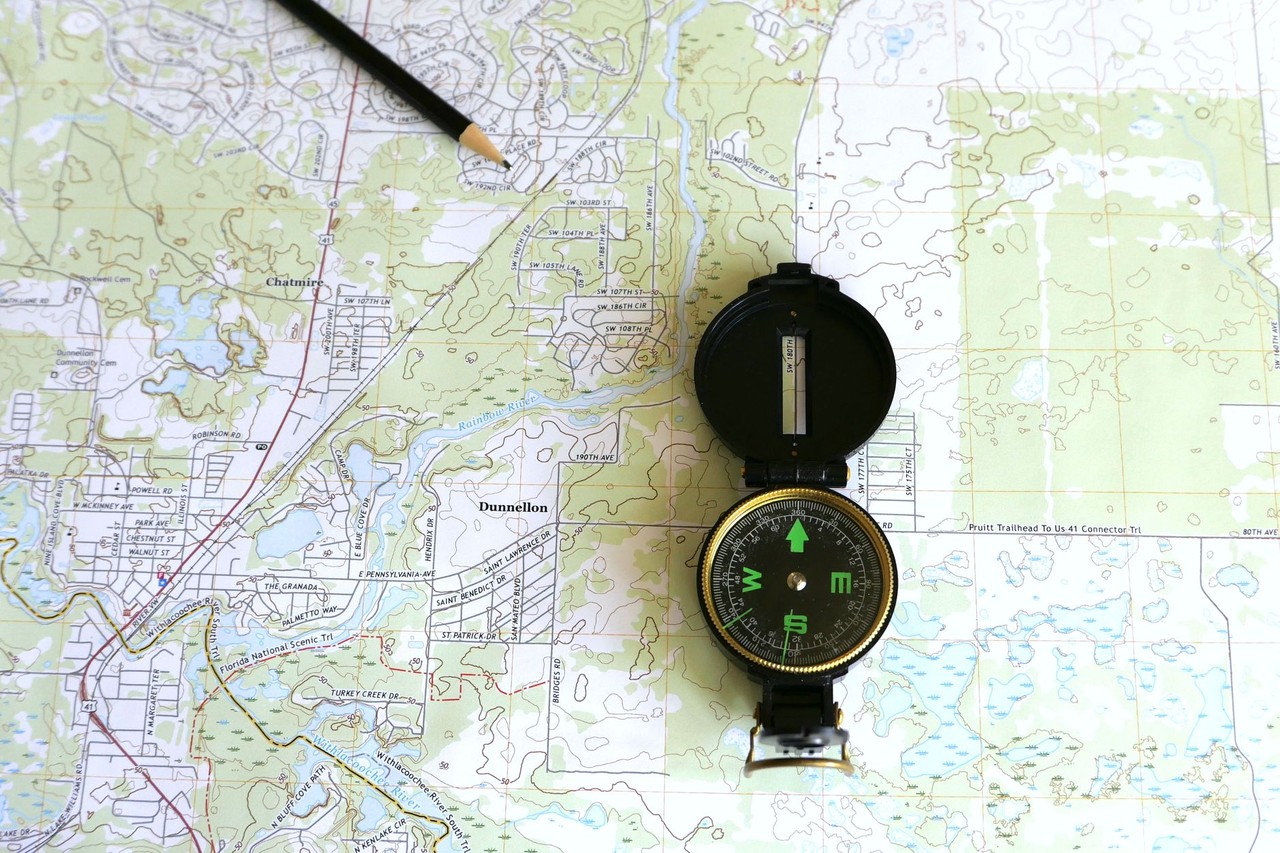
Digital navigation apps have become the standard for modern hikers, yet they are notoriously fragile. Batteries die, touchscreens freeze in cold weather, and satellite signals vanish under dense canopy. The seasoned hiker never steps onto a trailhead without a waterproof paper map and a reliable compass. Knowing how to orient yourself to the landscape is a fundamental skill that transforms a panic-inducing dead battery into a minor inconvenience.
The Comfort of Blister Prevention
A beginner might wait until they feel a hot spot to address foot pain, but by then, the damage is already done. Experienced hikers prioritize prevention. They pack high-quality moleskin, leukotape, or specialized gel pads, and they apply them at the first sign of irritation—or even before the hike begins on known pressure points. Protecting your feet is the single most important factor in finishing a long trek with your morale intact.
The Essential Power Backup
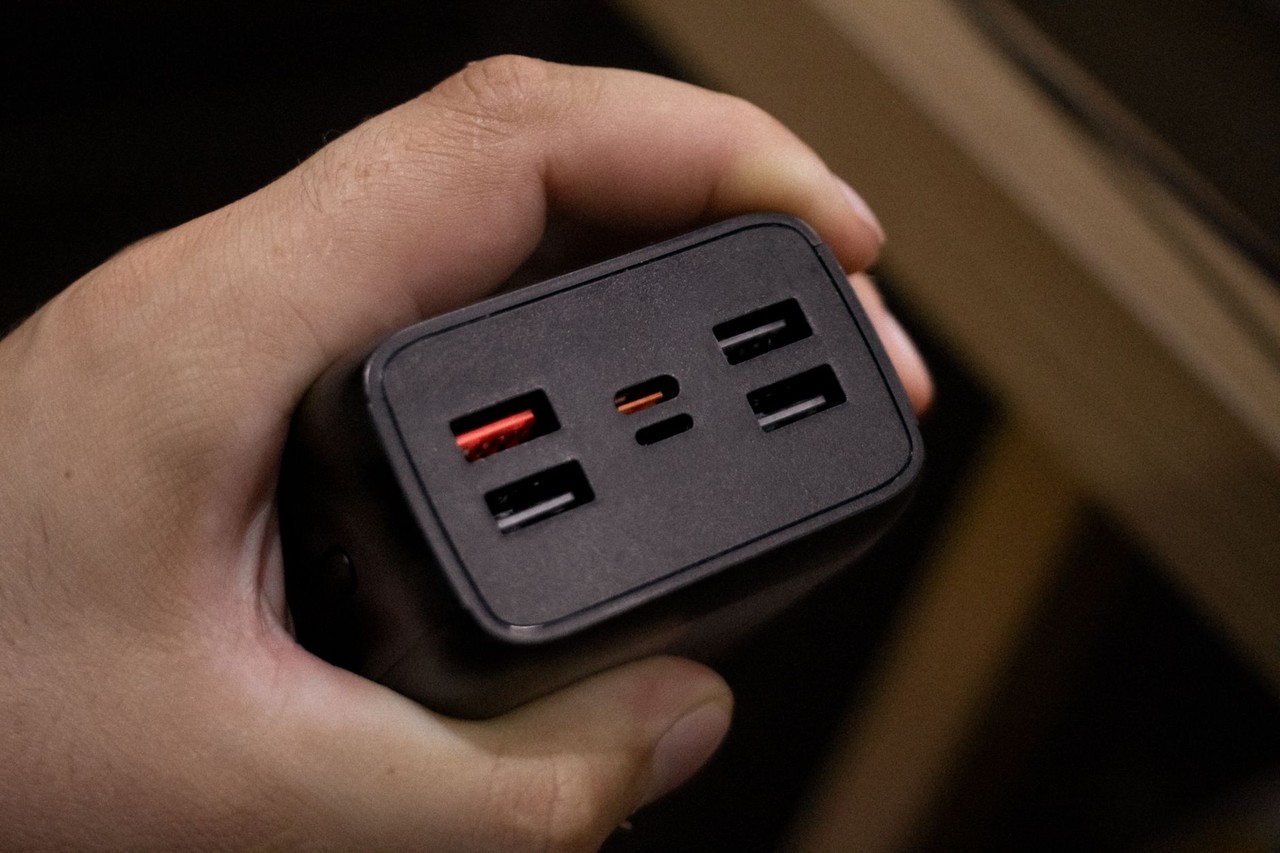
While the physical map is a primary tool, the digital backup is still vital for emergency communication and photography. Beginners often bring a phone but forget the power source. Seasoned hikers carry a lightweight, high-capacity power bank and a short charging cable. This ensures that their primary tool for calling for help or documenting the route remains active throughout the duration of the trip, regardless of temperature drops that might drain the phone battery faster than expected.
The Necessity of Extra Illumination
A single headlamp is the hallmark of a beginner. If that headlamp fails, breaks, or falls into a crevice, the hike becomes dangerous instantly. Veterans carry a primary light and a secondary, ultralight backup. This redundancy is not just for nighttime navigation; it is a critical safety net for unexpected delays that push a hike into the dark. Having a spare light ensures you can navigate back to the trailhead safely, even if your main gear fails.
The Utility of a Small Trowel
Novices often hope for the best when it comes to bathroom needs in the woods, or they rely on finding the perfect rock. Seasoned hikers understand the importance of Leave No Trace principles and personal hygiene. A lightweight, dedicated trowel allows for the proper burial of waste, protecting the ecosystem and ensuring the trail remains pristine for those who follow. It is a small, light item that demonstrates a deep respect for the environment and a commitment to responsible outdoor recreation.