7 Secret Features in Modern Cars That Could Save Your Life
Discover 7 hidden car features that can protect you during emergencies and accidents—most drivers don’t even know they exist.
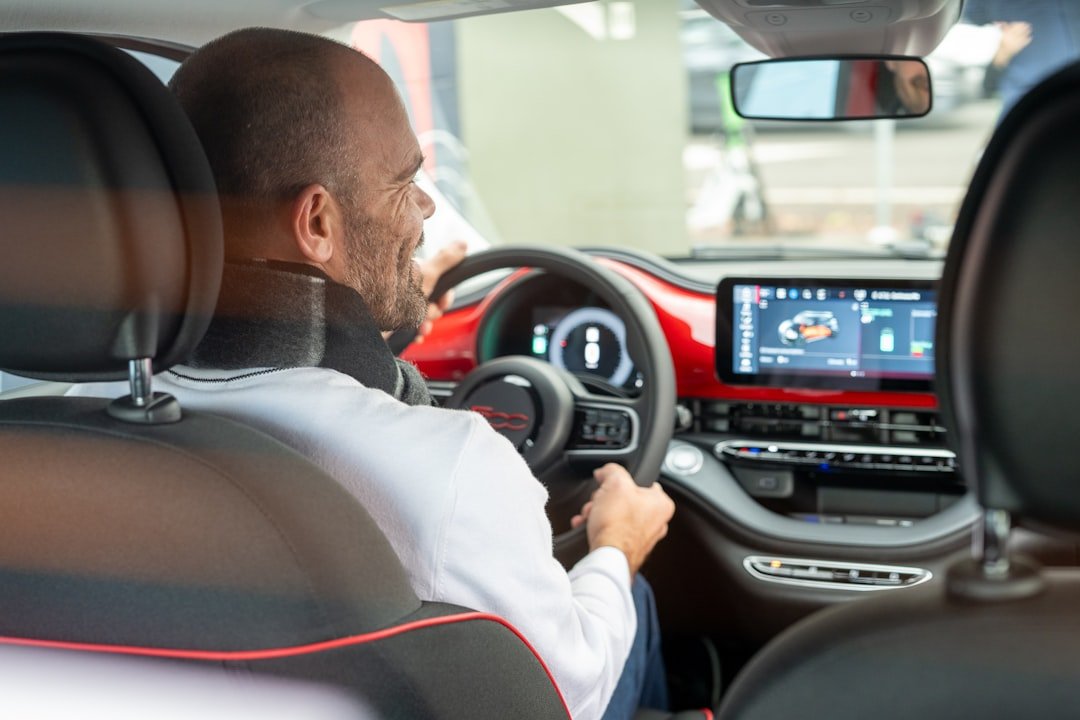
Michael Kahn/Unsplash
Modern cars come loaded with safety features, but many drivers are unaware of some hidden life-saving technologies built right into their vehicles. From advanced emergency systems to clever design innovations, these secret features can make all the difference when seconds count. Let’s explore seven remarkable car features that could save your life in 2026.
1. Automatic Emergency Steering Assist
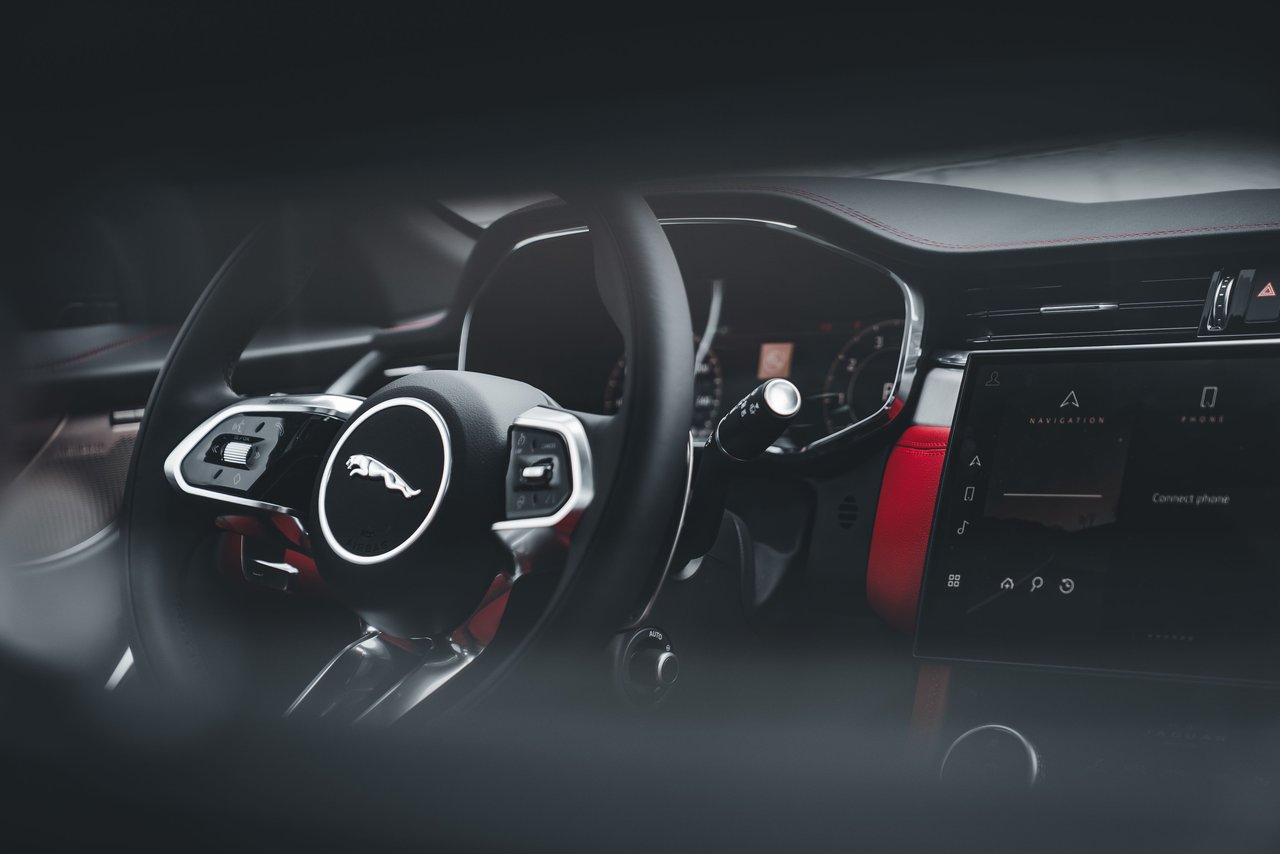
While emergency braking is common, Automatic Emergency Steering Assist (AESA) is a lesser-known feature now standard in many 2026 models. AESA helps drivers avoid collisions by gently steering around obstacles at speeds up to 45 mph. It uses radar and camera data to detect imminent crashes and intervenes if the driver fails to react. This feature can help prevent accidents when braking alone isn’t enough, especially in urban traffic or sudden road hazards.
2. Advanced Crash Notification Systems

Newer vehicles equipped with eCall 3.0 or similar platforms automatically contact emergency responders within seconds of a serious crash. These systems transmit precise GPS coordinates, severity data, and airbag deployment status to 911 dispatchers, accelerating the arrival of help. In 2026, these notifications are integrated with smart city infrastructure, allowing ambulances to clear routes faster, significantly improving survival chances after severe collisions.
3. Tire Pressure Monitoring with Run-Flat Alerts
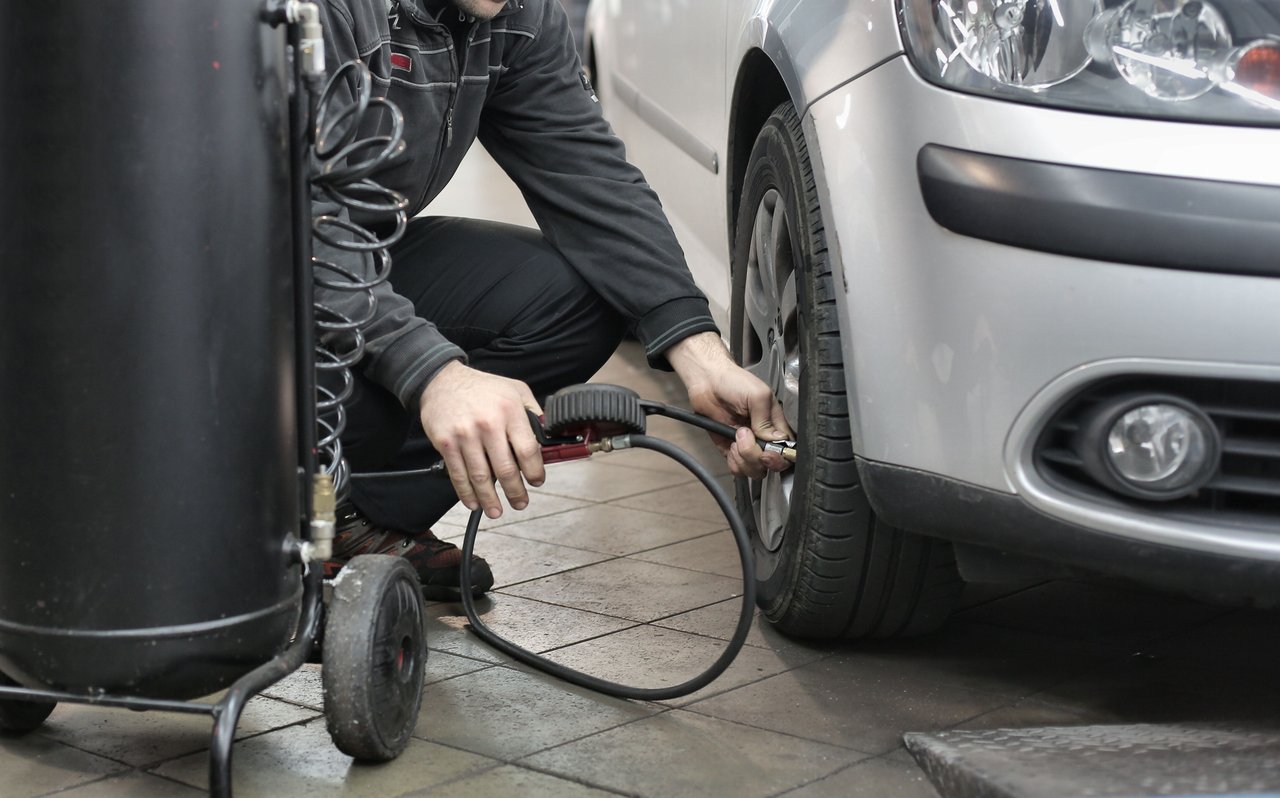
Most cars have tire pressure monitoring, but the latest models include run-flat detection that warns drivers of slow leaks before a blowout occurs. This feature uses advanced sensors to monitor tire integrity continuously and alerts the driver immediately if a tire’s pressure drops dangerously. This early warning can prevent loss of control on highways, especially during high-speed travel or adverse weather conditions.
4. Driver Health Monitoring Systems
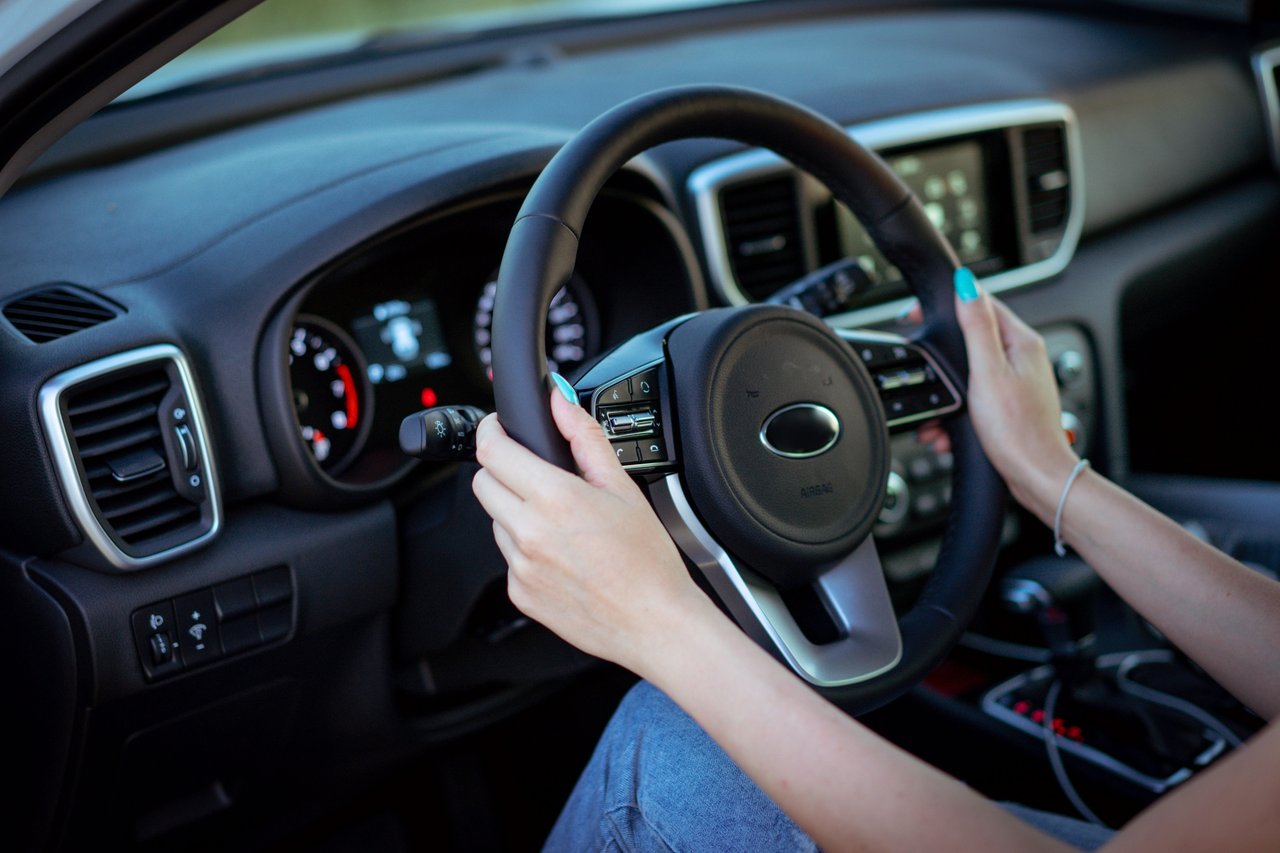
In 2026, some premium vehicles are equipped with driver health monitoring technology that tracks heart rate, skin temperature, and stress levels through sensors in the steering wheel and seat. If the system detects signs of a medical emergency such as a heart attack or stroke, it can alert the driver with audio warnings and safely bring the car to a stop. Some systems can even notify emergency contacts or dispatch services automatically, providing life-saving intervention for incapacitated drivers.
5. Built-in Fire Suppression Systems

Though rare, fire suppression systems are becoming an option in electric and hybrid vehicles, where battery fires pose unique risks. These systems detect excessive heat or smoke and deploy inert gas or foam to suppress fires in the engine or battery compartments before they spread. Early fire control can protect occupants and reduce injury risks, especially in crashes that damage high-voltage components.
6. Enhanced Seatbelt Pre-Tensioners with Load Limiters
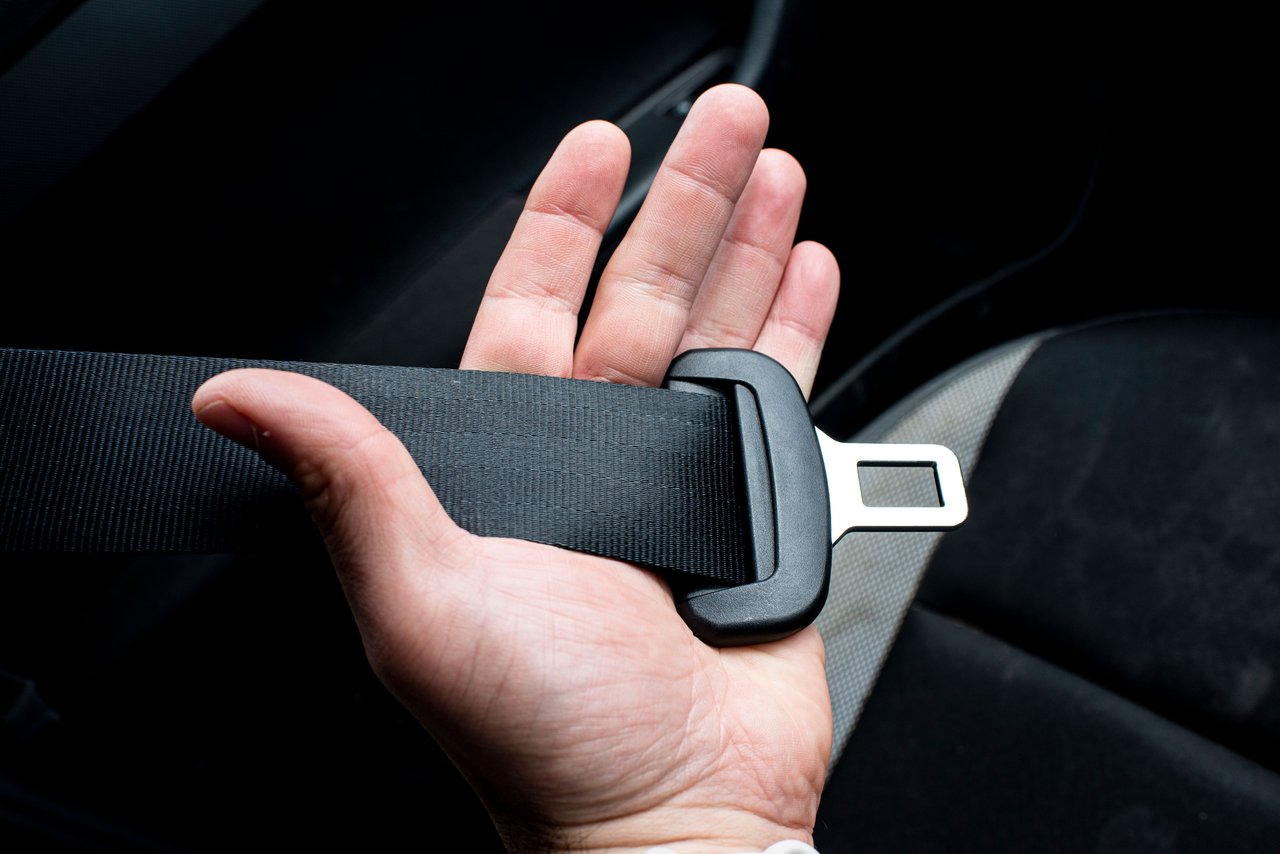
Beyond traditional seatbelt tightening, advanced pre-tensioners in 2026 adjust tension based on crash severity and occupant size. Load limiters allow a controlled amount of seatbelt give to reduce chest injuries while keeping passengers securely restrained. This balance improves protection during both high-impact collisions and rollover events, minimizing trauma without compromising restraint effectiveness.
7. Intelligent Post-Crash Unlock and Exit Assistance
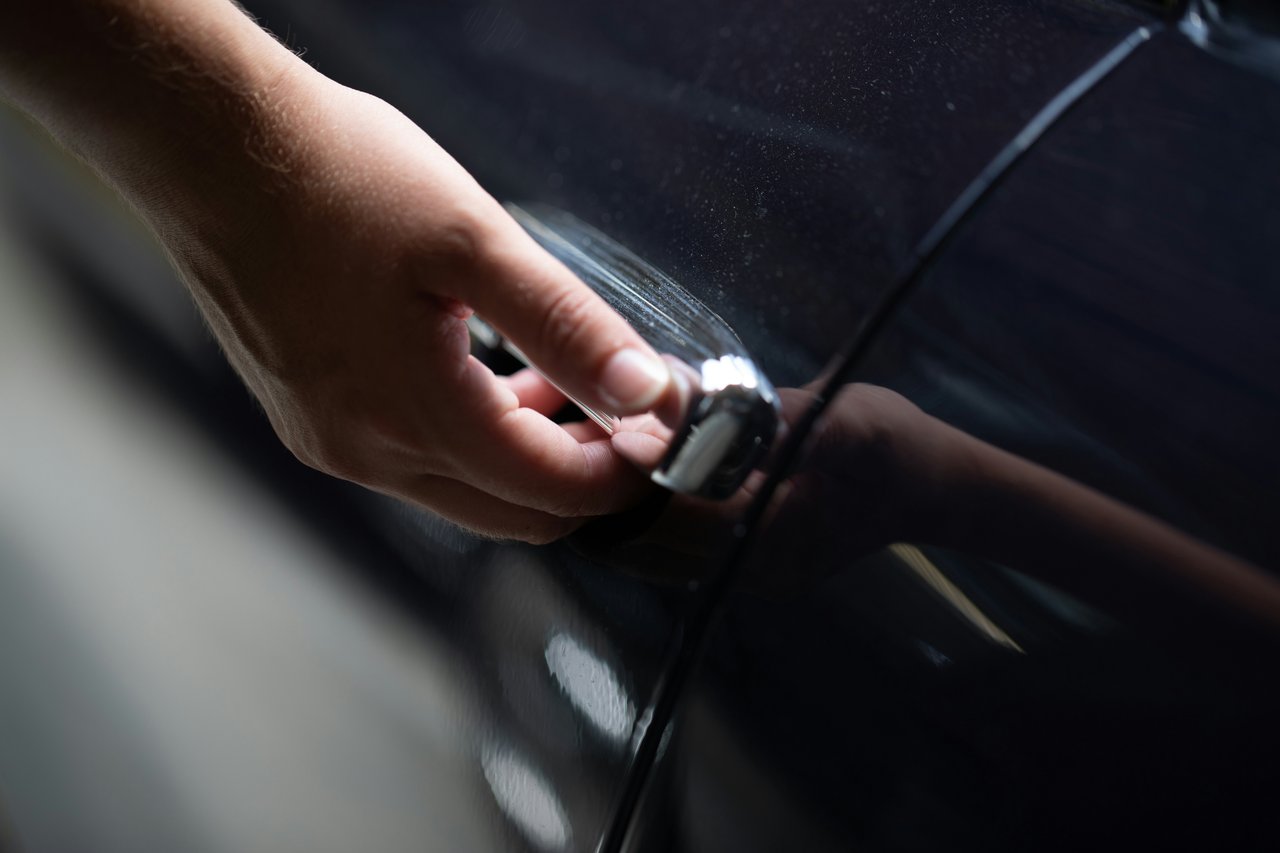
Some vehicles now feature intelligent systems that automatically unlock doors and activate interior lighting after a crash, facilitating faster escape or rescue. Coupled with power window controls and voice-activated assistance, these systems help occupants exit quickly, especially if the driver is unconscious or trapped. In 2026, integration with roadside assistance apps can also guide rescuers directly to the vehicle’s location.
Understanding these seven secret car features can empower you to take full advantage of your vehicle’s safety capabilities. Many of these technologies operate quietly in the background, but when emergencies strike, they can be literal lifesavers. Check your car’s manual or speak with your dealer to learn which of these features your vehicle has and how to use them effectively.