Rising Food Prices Force Indian Families to Rethink Spending in 2026
Nestlé India reveals how inflation in 2026 reshaped household buying habits, pack sizes, and priorities amid affordability challenges.
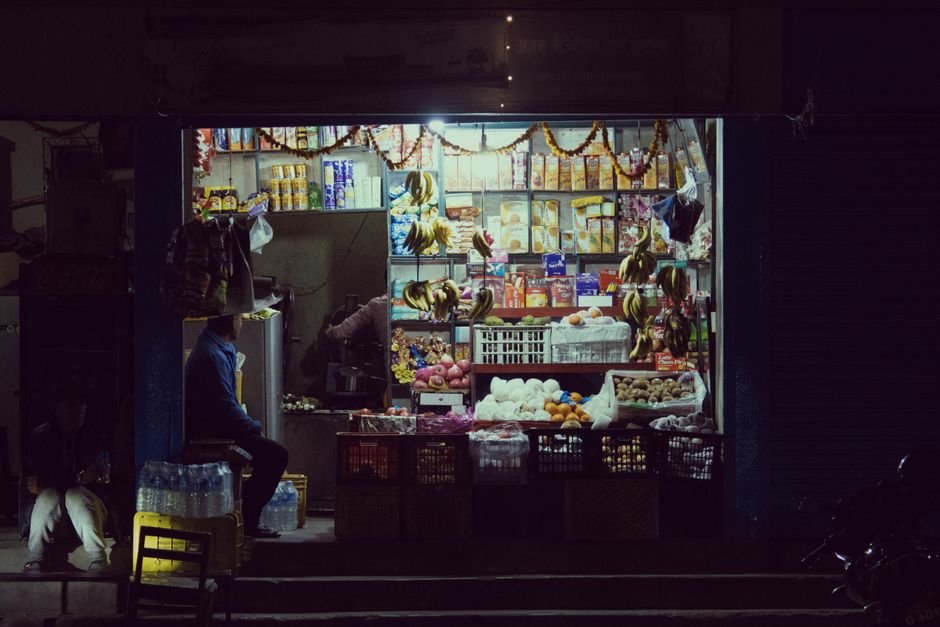
Harsh Suthar/Pexels
Rising food prices in India during fiscal year 2026 have compelled households to reassess their spending priorities, altering shopping habits across the country, according to Manish Tiwary, Chairman and Managing Director of Nestlé India. Speaking at the company’s 67th Annual General Meeting, Tiwary highlighted how inflationary pressures and increased commodity costs significantly impacted consumer behavior, forcing families to adjust purchase frequency, pack sizes, and category preferences.
Food Inflation Reshapes Household Choices
FY26 has been marked by persistent food inflation that affected the consumption patterns of Indian households. As prices rose, families began prioritizing affordability over brand loyalty or product variety. Tiwary noted that consumers carefully reconsidered the quantity and frequency of their purchases, often opting for smaller pack sizes to manage budgets better. In some cases, this led to reduced consumption of discretionary food items or switching to more economical alternatives.
These changes were not uniform, with varied reactions depending on income levels and geographic locations. Urban households showed resilience but still adjusted spending to cope with rising costs, while rural demand remained fragile and heavily influenced by agricultural income and monsoon conditions.
Urban vs. Rural Spending Patterns Amid Inflation
The uneven nature of demand across India became more pronounced in 2026. While urban centers generally maintained stronger buying power, disparities among income groups led to divergent consumption behaviors. High-income urban consumers continued to purchase premium products but with more caution, whereas middle and lower-income urban groups became more price-sensitive.
In rural areas, demand recovery hinged on farming outcomes and monsoon performance, both critical for household income. Poor or irregular rainfall cycles created uncertainty, limiting rural consumers’ ability to spend and forcing them to be more selective about food purchases. This resulted in greater volatility in rural consumption compared to urban markets.
External Pressures Impacting Food Prices
Besides domestic inflation, Nestlé India faced global commodity price hikes and geopolitical tensions that pushed input costs higher. Energy price fluctuations, rising freight charges, and supply chain disruptions added to the cost pressures on consumer goods companies. Tiwary emphasized that these external factors required continuous vigilance and adaptive strategies to maintain business stability.
Such global uncertainties compounded the challenges for Indian households, as companies had to balance rising costs without alienating increasingly budget-conscious consumers. This complex environment demanded innovation in pricing and product offerings to meet evolving consumer needs.
Strategic Focus on Growth Beyond Pricing
Despite the difficulties experienced in FY26, Nestlé India remains optimistic about the country’s long-term growth potential. The company is pivoting toward volume-driven growth through deeper market penetration, especially in tier-II and tier-III cities where consumption is growing faster than in metropolitan areas.
Tiwary outlined a multi-pronged strategy emphasizing:
- Expanding product availability across diverse price points to cater to various income segments
- Investing in premium offerings to attract discerning consumers
- Leveraging technology to improve sales and operational efficiencies
- Building stronger connections with consumers through brand investments and tailored marketing
This approach aims to drive sustainable growth by aligning closely with shifting consumer preferences rather than relying solely on price increases.
In summary, rising food inflation in 2026 has triggered significant changes in Indian household spending habits. Companies like Nestlé India are adapting by focusing on diversification, technology, and market penetration to navigate affordability pressures while capitalizing on emerging opportunities in smaller urban centers and rural markets.