7 U.S. States With the Lowest Taxes for Retirees in 2026 You Didn’t Expect
Discover the 7 U.S. states where retirees enjoy the lowest taxes in 2026, saving more on income, property, and sales taxes.

Vitaly Gariev/Unsplash
Planning for retirement means more than just choosing a sunny spot—it’s also about keeping your hard-earned money. In 2026, some U.S. states stand out for offering retirees the best tax benefits, minimizing what they pay on income, property, and sales taxes. Here are seven states where retirees can stretch their dollars further.
1. Florida: The Classic Tax Haven

Florida remains a top choice for retirees due to its complete absence of state income tax, including on Social Security, pensions, IRAs, and 401(k) withdrawals. In 2026, Florida’s property taxes are moderate, and many counties offer homestead exemptions that reduce tax bills for seniors. Additionally, the state’s sales tax is relatively low at 6%, making daily expenses more affordable for retirees on fixed incomes.
2. Wyoming: Low Taxes and High Quality of Life

Wyoming continues to impress retirees in 2026 with no state income tax and low property taxes averaging just 0.57%, one of the lowest in the nation. The state also exempts Social Security benefits from taxation and offers relatively low sales taxes capped at 6%. Wyoming’s wide-open spaces and low population density provide a peaceful retirement setting with significant tax savings.
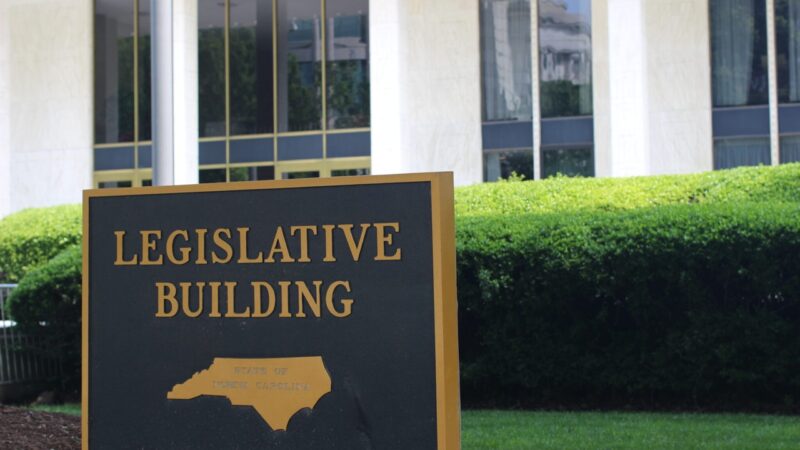
3. North Carolina: Balanced Tax Benefits for Retirees

North Carolina has optimized its tax code for retirees in 2026 by exempting a substantial portion of retirement income, including pensions and Social Security benefits, for residents over 65. While the state levies a flat income tax rate of 4.75%, the retirement income exclusions and moderate property taxes make it appealing. Additionally, North Carolina’s sales tax is competitive, averaging 6.98%, which is manageable for retirees.
4. Nevada: No Income Tax, Lots of Sunshine

Nevada remains a magnet for retirees looking to reduce tax burdens. The state does not impose income tax on wages or retirement income, including Social Security. Property taxes are slightly higher than some low-tax states but still reasonable, with an average effective rate near 0.77%. Nevada’s sales tax is moderate, and combined with its warm climate and entertainment options, it’s a strong contender in 2026.
5. Tennessee: Growing Appeal for Retirees

Tennessee completely phased out its Hall income tax by 2026, resulting in no state income tax on retirement income, including interest and dividends. Property taxes remain below the national average, and sales taxes hover around 7%, which is slightly higher but offset by income tax savings. The state’s expanding healthcare infrastructure and mild climate boost its attractiveness for retirees prioritizing tax savings.
6. Texas: Big State, Big Tax Savings

Texas continues to attract retirees by offering no state income tax, which means Social Security and other retirement income go untaxed. The catch is its relatively higher property taxes, averaging around 1.69%, but many retirees find this offset by the income tax savings. Sales tax in Texas is 6.25%, with local additions possible. The state’s diverse cities and warm weather make it a popular retirement destination in 2026.
7. Delaware: Tax Advantages With East Coast Access

Delaware’s tax policies in 2026 favor retirees with no sales tax and exemptions on most retirement income, including Social Security and pensions. The state’s property taxes are among the lowest in the country, averaging 0.55%. Delaware’s proximity to major East Coast cities combined with its tax benefits make it ideal for retirees wanting access to urban amenities without heavy tax burdens.
Choosing the right state for retirement is crucial to maximizing your income and quality of life. These seven states in 2026 offer some of the lowest overall tax burdens for retirees, combining savings on income, property, and sales taxes. Whether you prefer warm beaches, mountain views, or quiet countryside, these states provide options to help your retirement funds go further.