9 U.S. Cities Remote Workers Are Flocking to in 2026 You’ve Never Heard Of
Discover the 9 U.S. cities rapidly gaining remote workers in 2026 for their lifestyle, cost, and connectivity benefits.

Sóc Năng Động/Pexels
As remote work continues to reshape where and how people live, certain U.S. cities have emerged as top destinations for digital nomads and telecommuters alike. In 2026, these cities combine affordability, infrastructure, and lifestyle perks that make them irresistible to remote workers seeking balance and opportunity.
1. Boise, Idaho
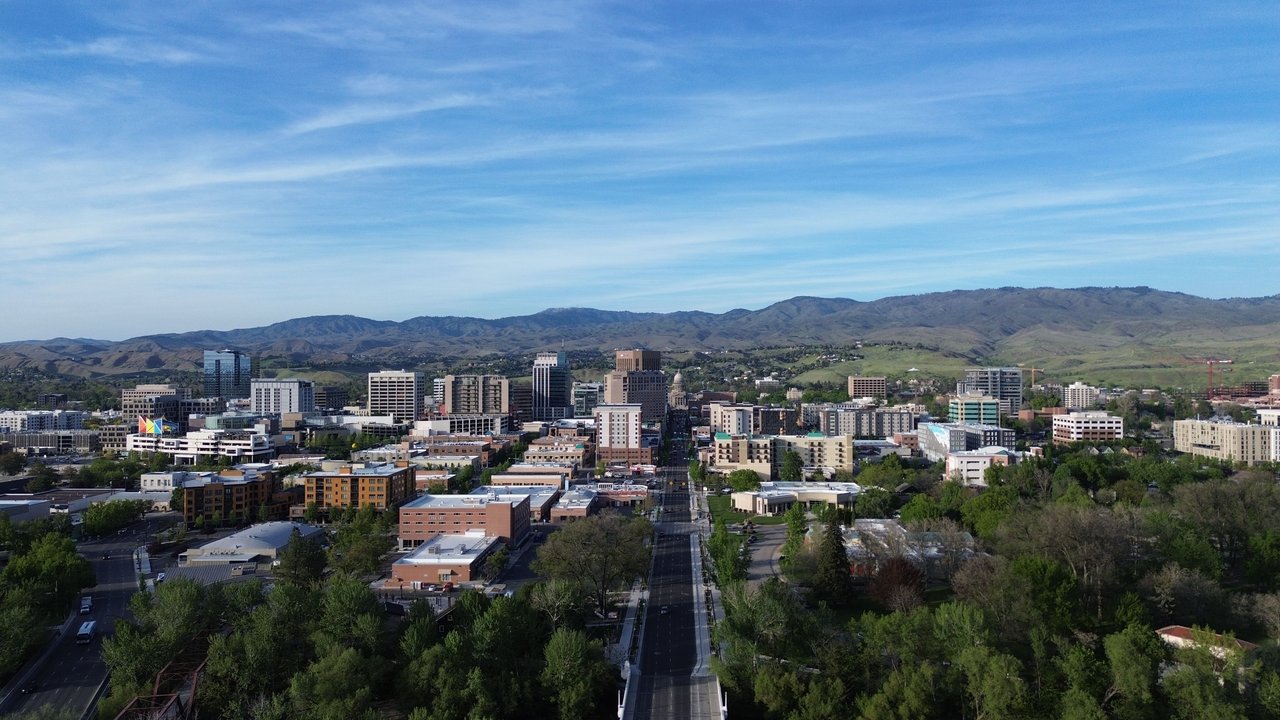
Boise has become a hotspot for remote workers looking for an affordable yet vibrant city nestled in the foothills of the Rockies. With its growing tech scene, excellent coworking spaces like The Riverside Hotel’s business center, and access to outdoor activities like hiking and mountain biking, Boise offers a perfect blend of productivity and recreation. The city’s cost of living remains 15% below the national average, making it an attractive alternative to pricier West Coast metros.
2. Fayetteville, Arkansas
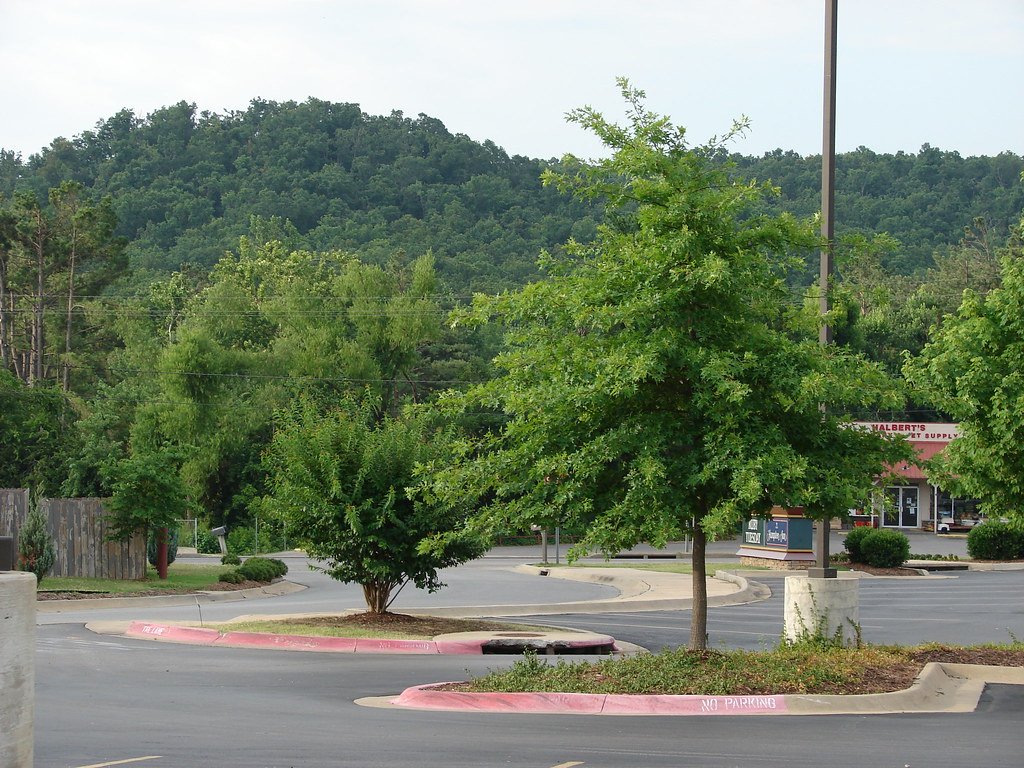
Fayetteville’s burgeoning reputation as a creative and tech-friendly city has drawn remote workers in droves in 2026. Home to the University of Arkansas, the city benefits from a youthful population and a progressive vibe. Remote workers appreciate the high-speed internet infrastructure and the affordable housing market, which is nearly 20% cheaper than the U.S. average. Plus, the city’s emphasis on sustainability and local arts makes it a culturally rich place to live.
3. Greenville, South Carolina
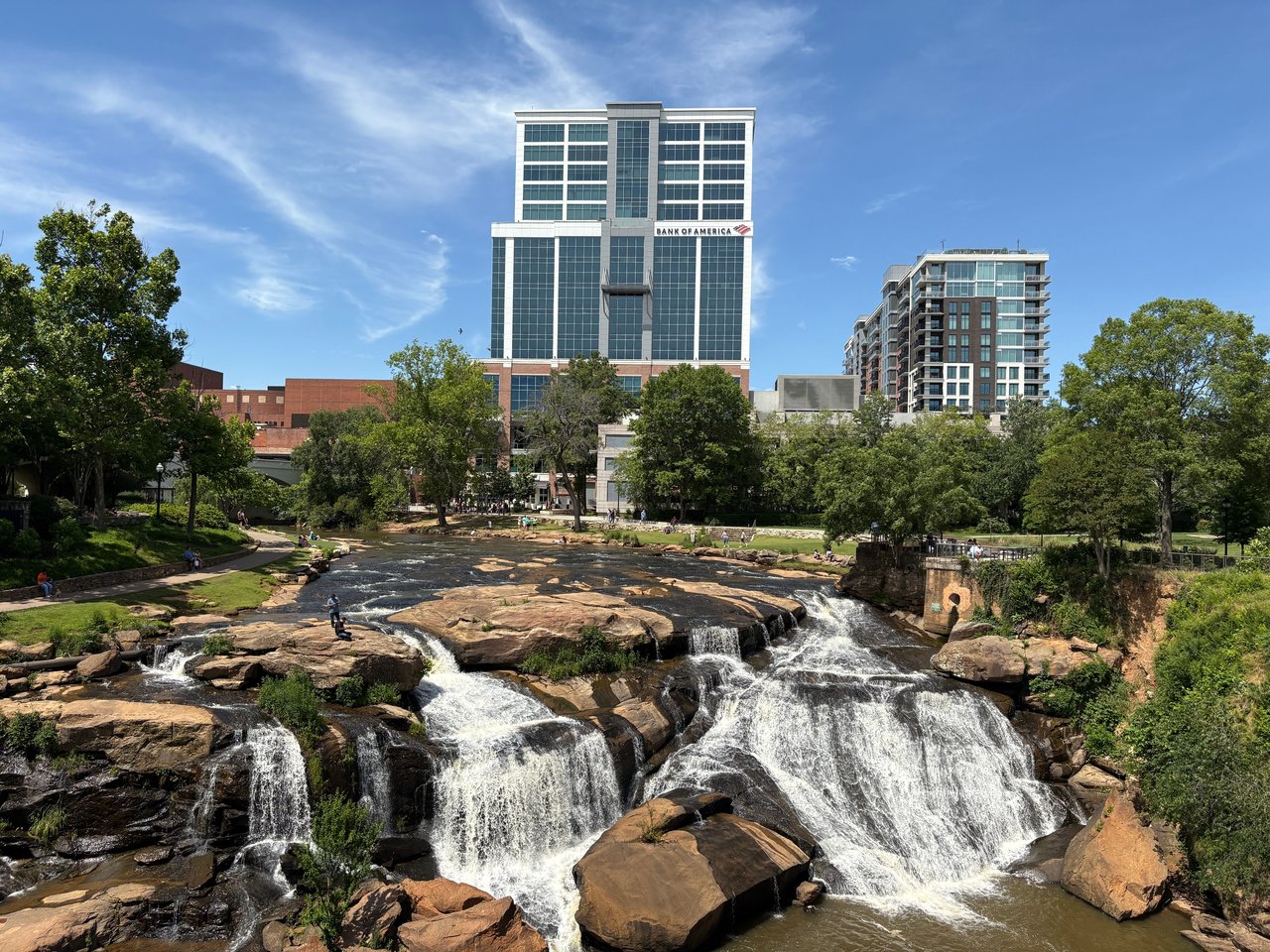
Greenville’s revitalized downtown area, featuring the award-winning Swamp Rabbit Trail and a variety of trendy eateries, has made it a magnet for remote workers seeking Southern charm and urban amenities. The city’s investment in city-wide fiber internet and coworking hubs like The Nineteen brings modern conveniences to a historically industrial town. Its low crime rate and family-friendly neighborhoods add to its appeal for those relocating with or without children.
4. Chattanooga, Tennessee
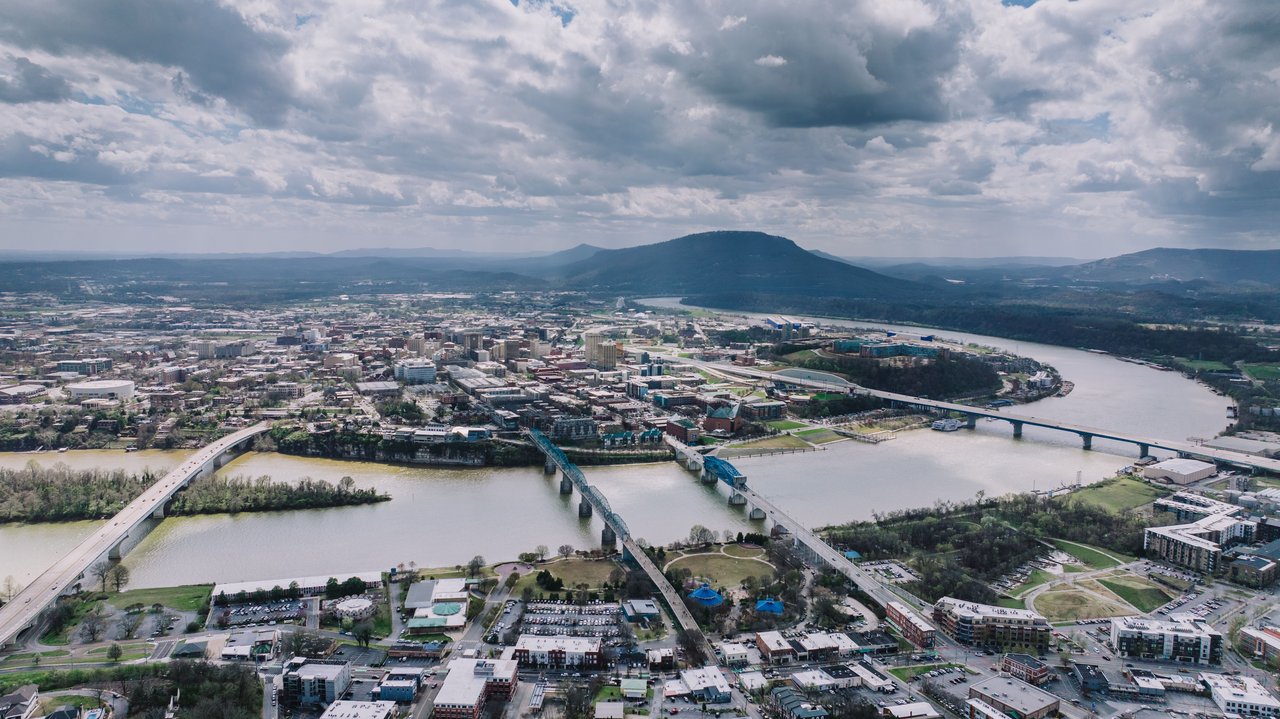
Chattanooga is a pioneer in municipal broadband, boasting one of the fastest internet speeds in the country, a critical factor for remote workers in 2026. Its scenic riverfront and booming entrepreneurial ecosystem, including Launch Chattanooga, provide ample networking opportunities. The city’s affordable housing and outdoor recreation options, such as rock climbing and river kayaking, make it a top contender for work-life balance.
5. Des Moines, Iowa
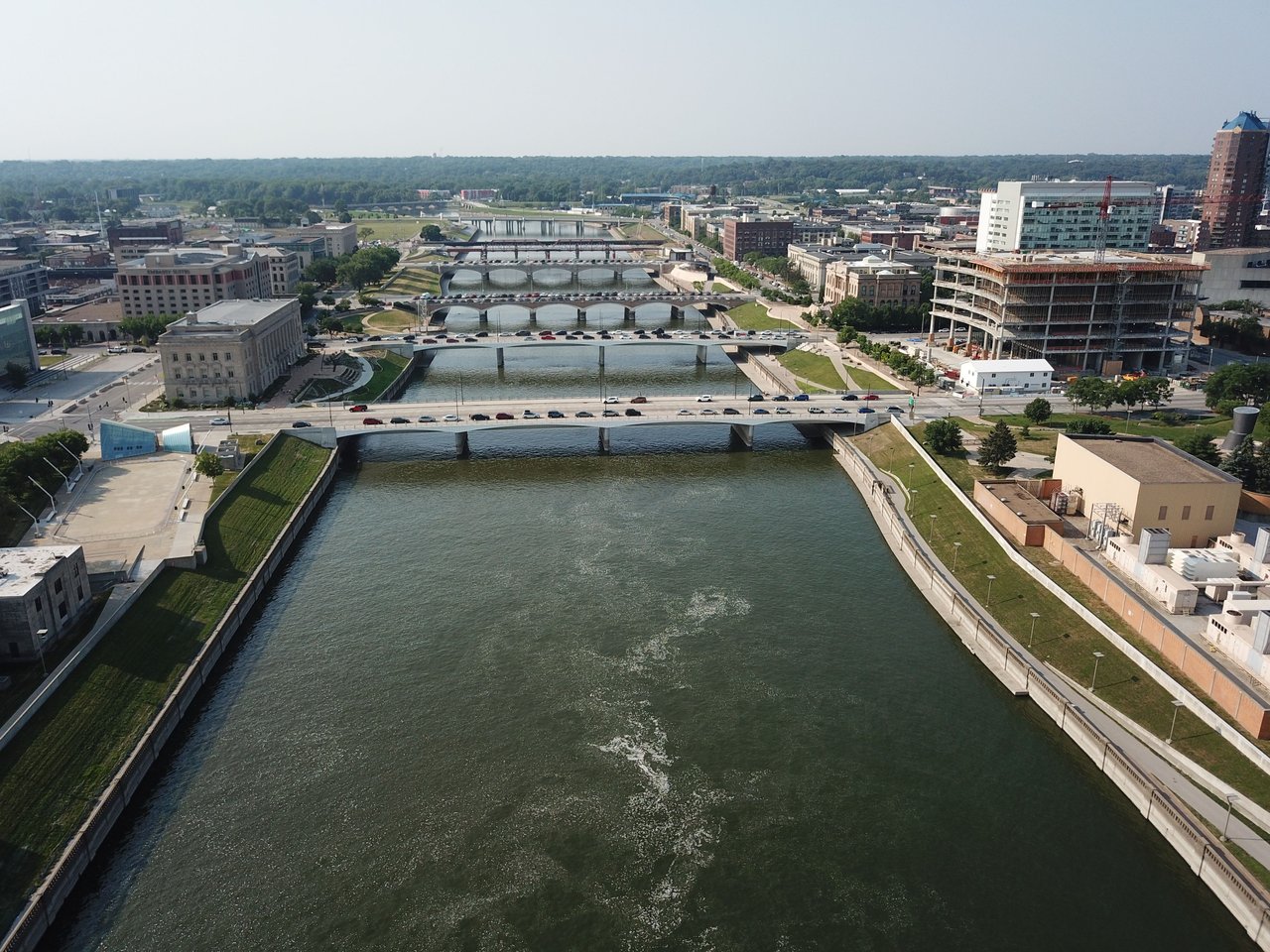
Des Moines has quietly become a remote work hub thanks to its low cost of living and emerging tech industry. The city offers a surprisingly rich cultural scene with museums, theaters, and a growing food scene. In 2026, more remote workers are drawn to Des Moines’ strong community of freelancers and startups, supported by coworking spaces like Impact Hub Des Moines, creating a collaborative environment rarely expected in Midwestern cities.
6. Santa Fe, New Mexico
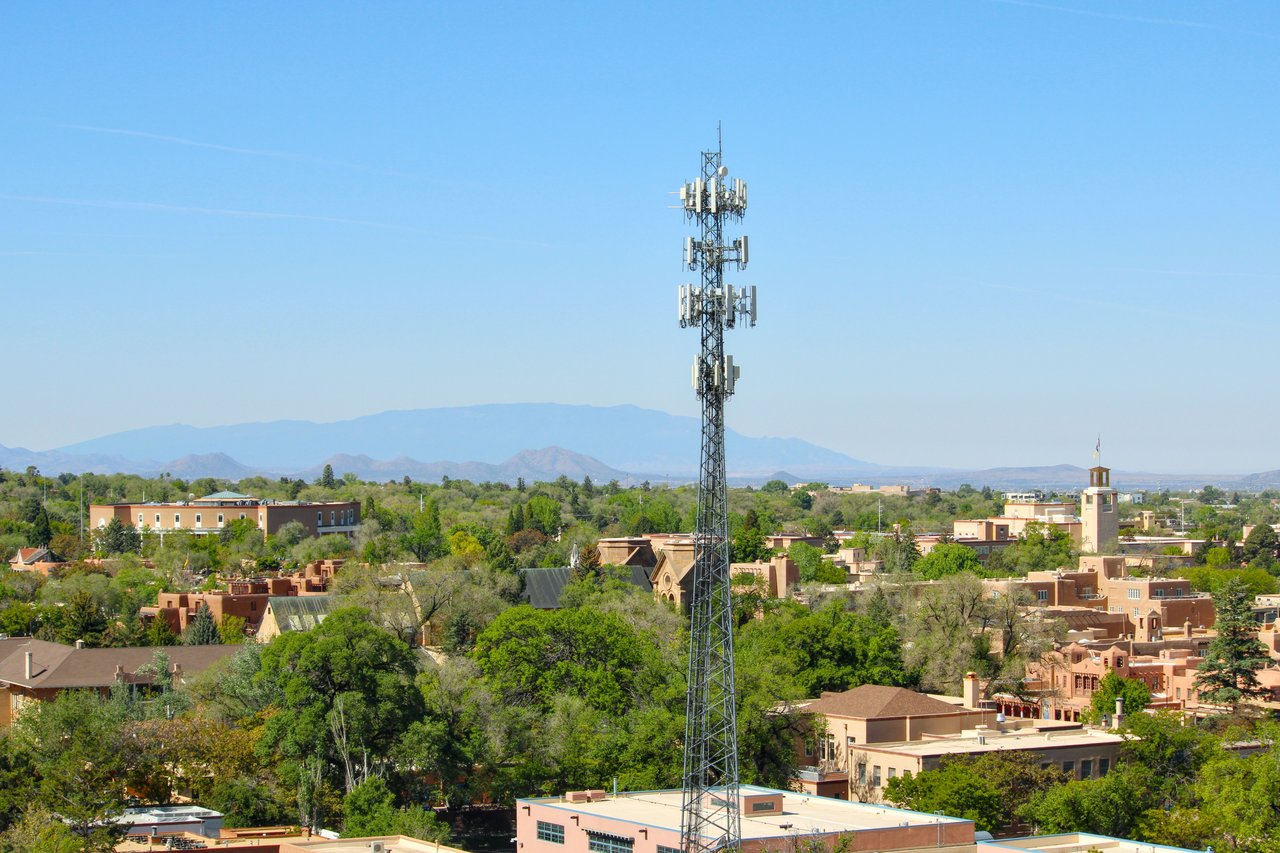
Santa Fe’s unique blend of artistic heritage and modern amenities appeals to remote workers craving inspiration alongside productivity. Known for its adobe architecture and vibrant arts scene, it also offers reliable high-speed internet and several boutique coworking spots. Remote workers benefit from the city’s mild climate and access to nature, with the Sangre de Cristo Mountains just minutes away.
7. Reno, Nevada

Reno’s transformation into a tech and innovation hub has accelerated in 2026, attracting remote workers who want proximity to Silicon Valley without the exorbitant costs. The city’s growing number of coworking spaces, such as The Generator, combined with no state income tax and affordable housing, makes it a financially savvy choice. Outdoor enthusiasts enjoy easy access to Lake Tahoe and the Sierra Nevada mountains.
8. Asheville, North Carolina
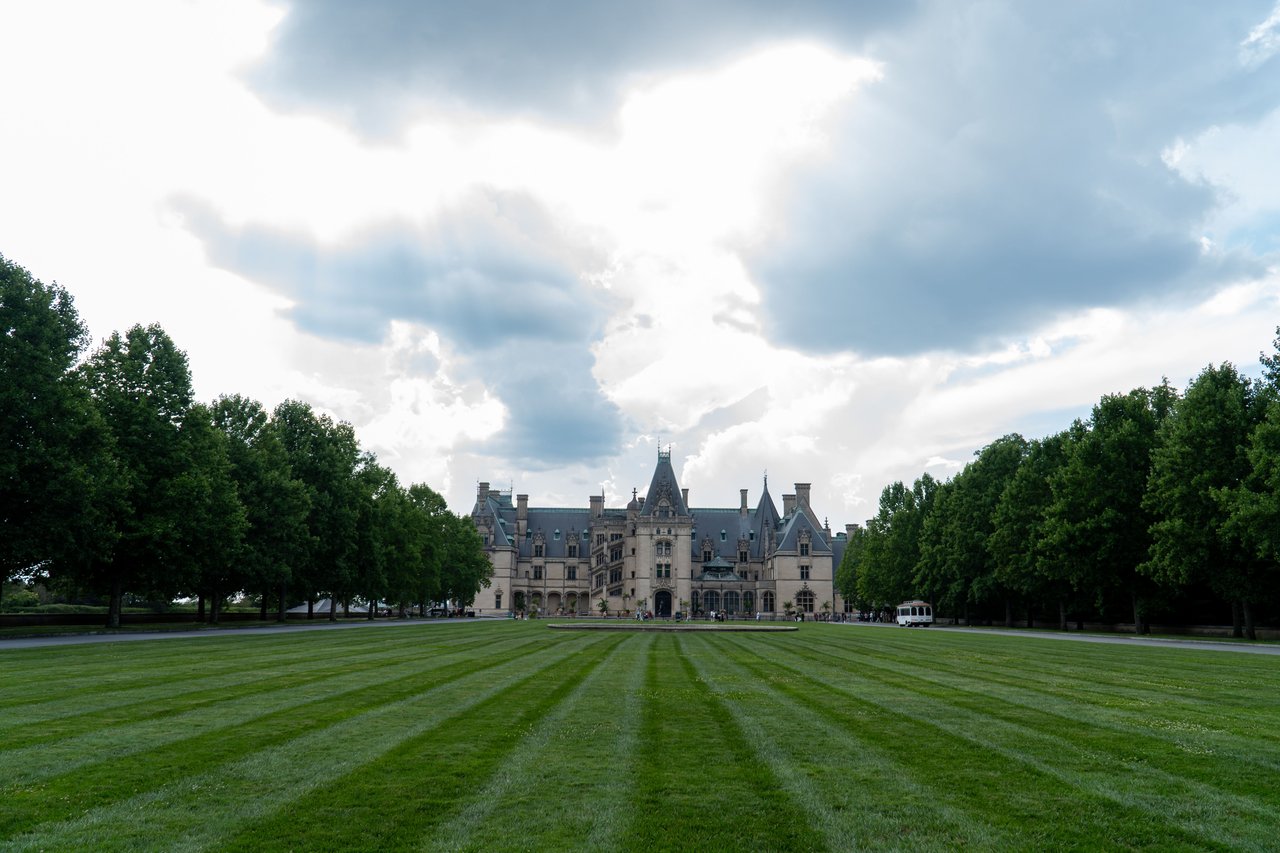
Asheville’s reputation as a wellness and outdoor-centric city continues to attract remote workers in 2026. Its eclectic music scene, farm-to-table dining, and close-knit coworking community foster creativity and focus. The city’s investments in expanding broadband access to more rural areas have further opened the door for telecommuters seeking a slower pace without sacrificing connectivity.
9. Spokane, Washington
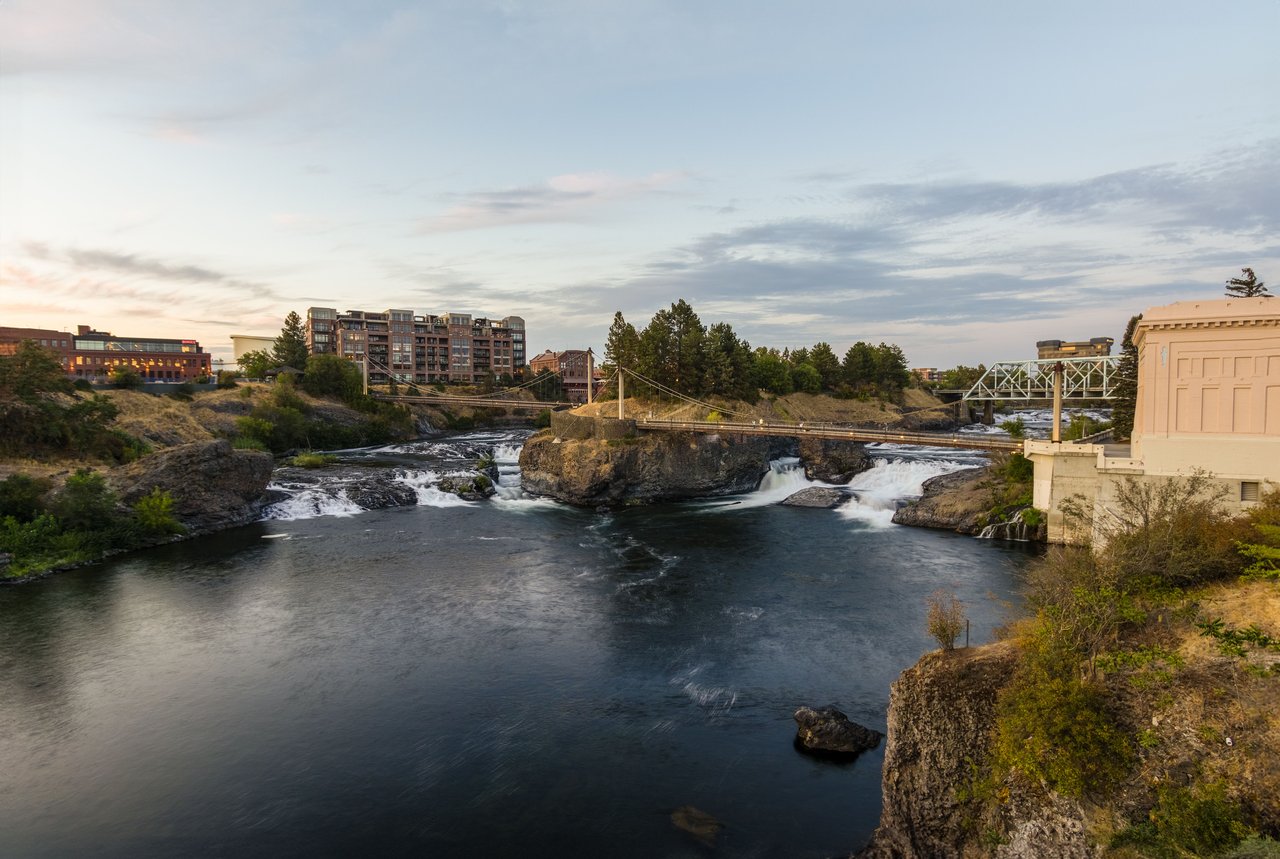
Spokane is gaining traction as an affordable alternative to Seattle, with a rapidly improving downtown, expanding tech presence, and a strong commitment to green spaces. The city’s Spokane River and Centennial Trail provide ample recreational options, while its growing number of coworking venues equip remote workers with collaborative environments. Spokane’s cost of living is nearly 25% lower than Seattle’s, a major draw in 2026.
These nine cities perfectly illustrate the evolving landscape of remote work in 2026. From affordability and infrastructure to lifestyle and natural beauty, they offer remote workers diverse options to find their ideal home base without sacrificing career opportunities.