Markets Brace for Escalation as US-Iran Conflict Intensifies, While Former NATO Commander Warns Suez Canal Could be Next
With US deaths mounting in the Iran conflict, markets tighten as experts warn the Suez Canal could face threats next.
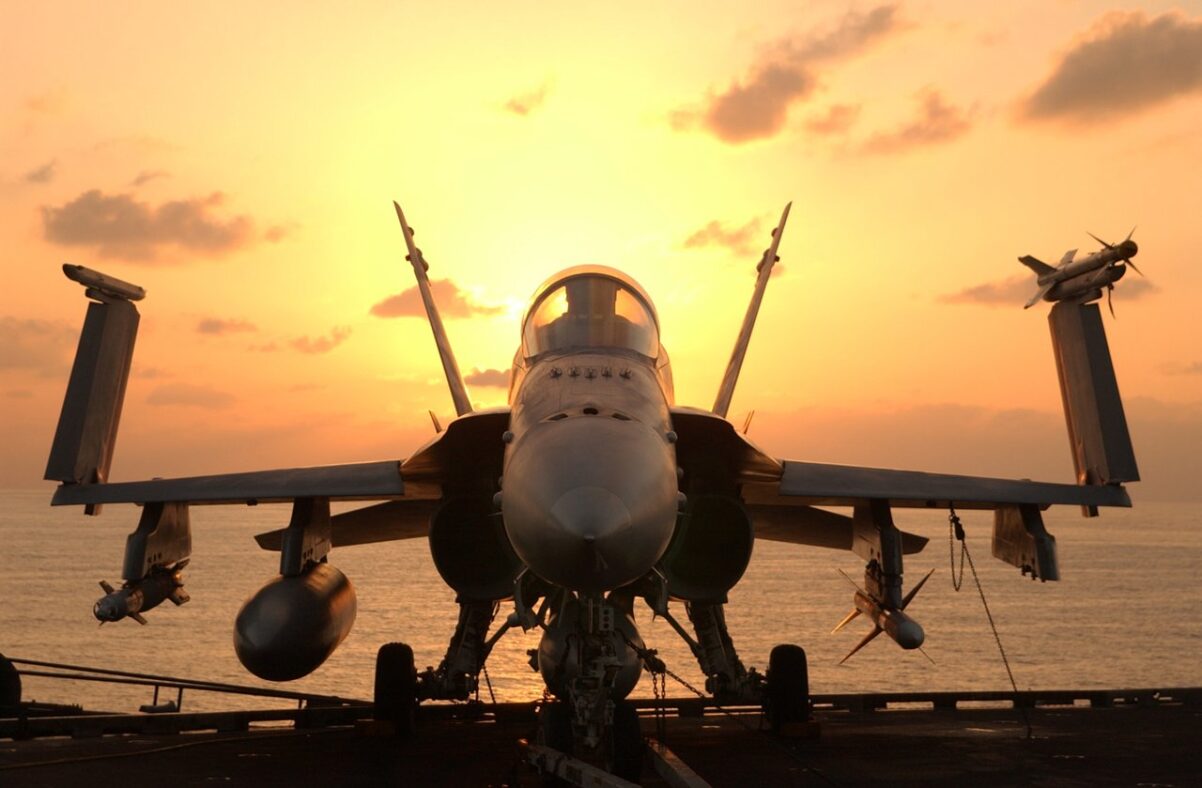
U.S. Navy photo by Photographer's Mate 3rd Class Jayme Pastoric./Wikimedia Commons
Global markets are on edge as the U.S.-Iran conflict escalates following recent American military casualties, sparking fears of a full-scale war. The deaths of U.S. service members in Jordan and Iraq over the weekend have intensified tensions and sent oil prices soaring, while former NATO commander Admiral James Stavridis warns that the Suez Canal may soon be targeted, threatening international trade routes.
Market Reactions Amid Rising Tensions

Stock futures showed mixed results on Sunday evening as investors grappled with the growing conflict’s economic fallout. Dow Jones futures declined by 61 points (0.12%), S&P 500 futures dipped slightly by 0.05%, while Nasdaq futures edged up 0.08%. Meanwhile, oil prices climbed sharply with West Texas Intermediate crude rising 2.75% to $84.76 a barrel and Brent crude advancing 3.2% to $90.92 a barrel. In contrast, gold prices fell by 0.53% to $3,997 per ounce, reflecting shifting investor confidence amid geopolitical uncertainty.
Escalating U.S.-Iran Hostilities and Military Developments
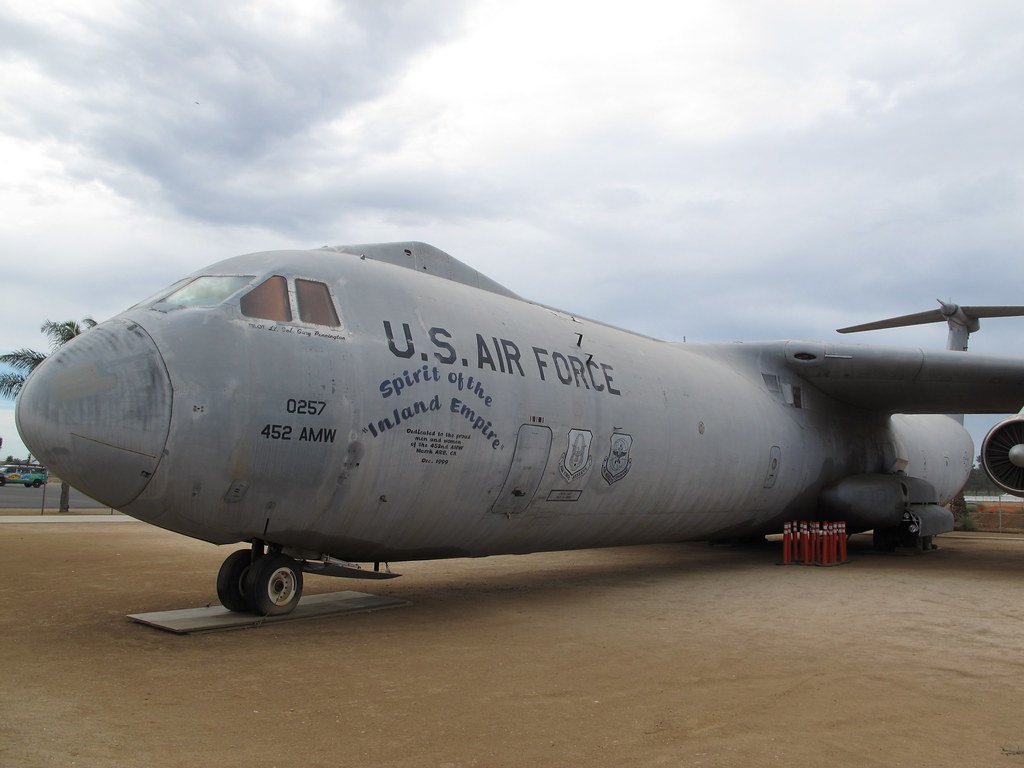
The conflict intensified after an Iranian attack in Jordan killed two U.S. troops and left another missing. Additionally, a third American service member died in Iraq while attempting to neutralize a downed Iranian drone. These casualties represent a significant escalation and appear to cross previously established red lines discussed by President Donald Trump in relation to ending the ceasefire signed last month. Despite persistent U.S. airstrikes targeting Iranian positions daily, the White House has yet to officially declare an all-out war.
Efforts to establish an alternative shipping corridor bypassing Iran-controlled waters in the Strait of Hormuz have so far failed. Ship-tracking data reveals no commercial vessels are using the U.S.-backed route, with Iran’s approved channel still active. This failure grants Tehran greater leverage over global oil supplies, which are already critically low. Additionally, Iran may be deploying advanced weaponry capable of evading U.S. air defenses, increasing the vulnerability of American bases around the Persian Gulf.
Strategic Options and Warnings from Former NATO Commander

Retired Admiral James Stavridis, former NATO Supreme Allied Commander, outlined three potential U.S. strategies moving forward, none of which promise an easy resolution. The first option—walking away—would damage U.S. interests and global trade but remains unlikely. The second involves a dramatic escalation, with hundreds of daily airstrikes and possibly deploying ground troops, though this is considered costly and politically fraught.
The third and most probable approach is the current “escalate to de-escalate” tactic: intensifying bombings and economic sanctions while keeping diplomatic channels open. Stavridis cautioned that this delicate balance may not hold, especially as Iran explores broader threats. Notably, he warned that Iran or its proxies could target the Suez Canal, a critical chokepoint for global shipping that handles even more traffic than the Strait of Hormuz. Recent Iranian attacks in Jordan could signal moves to support Houthi efforts to disrupt the canal from Yemen’s southwest Arabian Peninsula region.
Implications for Global Trade and Regional Stability
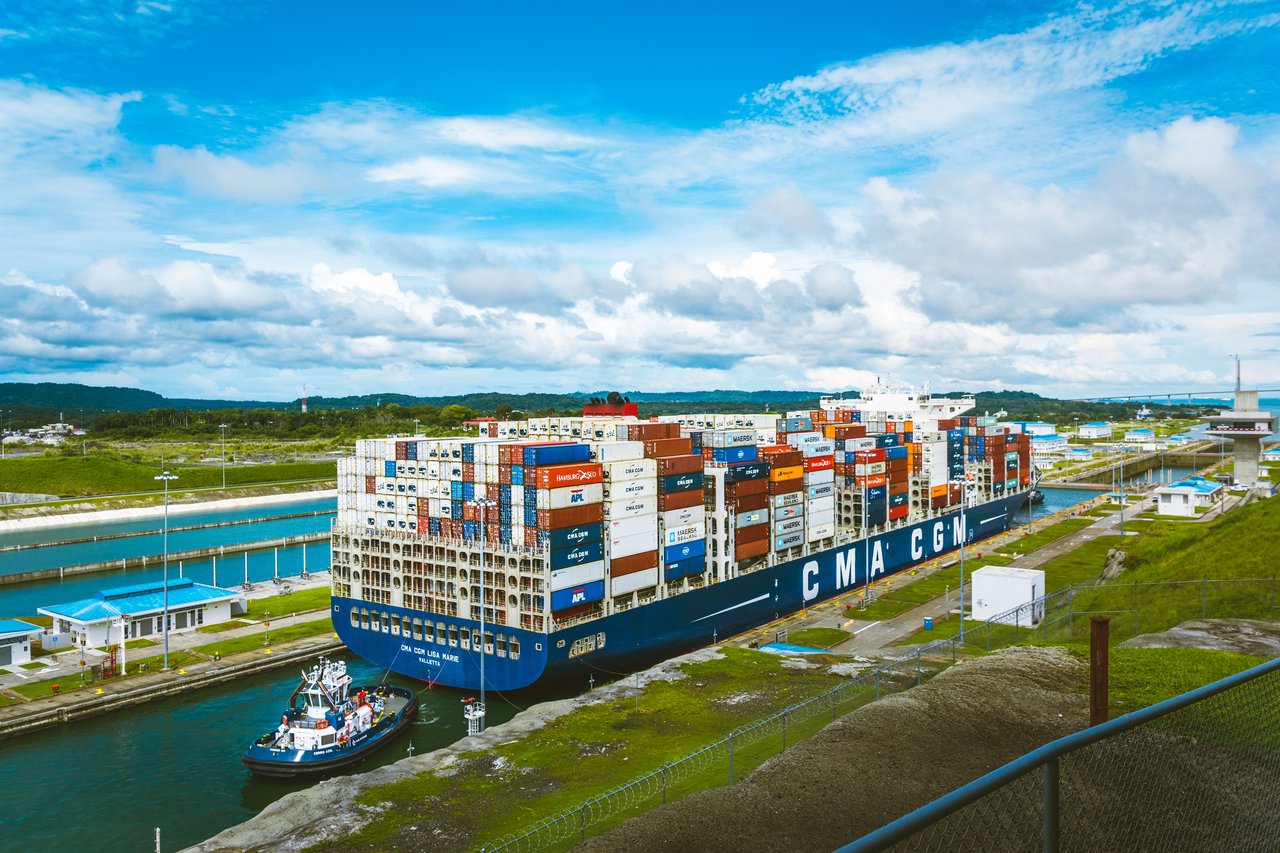
The potential disruption of the Suez Canal raises alarm bells for global commerce, as any closure would severely impact shipping routes and accelerate supply chain disruptions already stressed by the Persian Gulf conflict. The canal’s strategic importance means any threat could trigger widespread economic consequences, affecting oil prices, commodities, and international markets.
Locally, the ripple effects are likely to touch businesses and consumers in North Carolina and beyond, as energy prices potentially rise and supply chains face further strain. Market watchers remain cautious amid the uncertain outlook of the U.S.-Iran conflict and its expanding geopolitical reach.
As the situation develops, global markets and policymakers will be watching closely to assess whether the conflict intensifies into full-scale war or if diplomatic efforts can prevent further escalation. Meanwhile, the specter of the Suez Canal becoming a new flashpoint underscores the fragile state of international security and trade in 2026.