Midwest Heat Dome, Toxic Smoke, and Tropical Storm Threaten U.S. This Week
A heat dome, toxic wildfire smoke, and a tropical storm are impacting much of the U.S., with flash flooding and poor air quality warnings in effect.
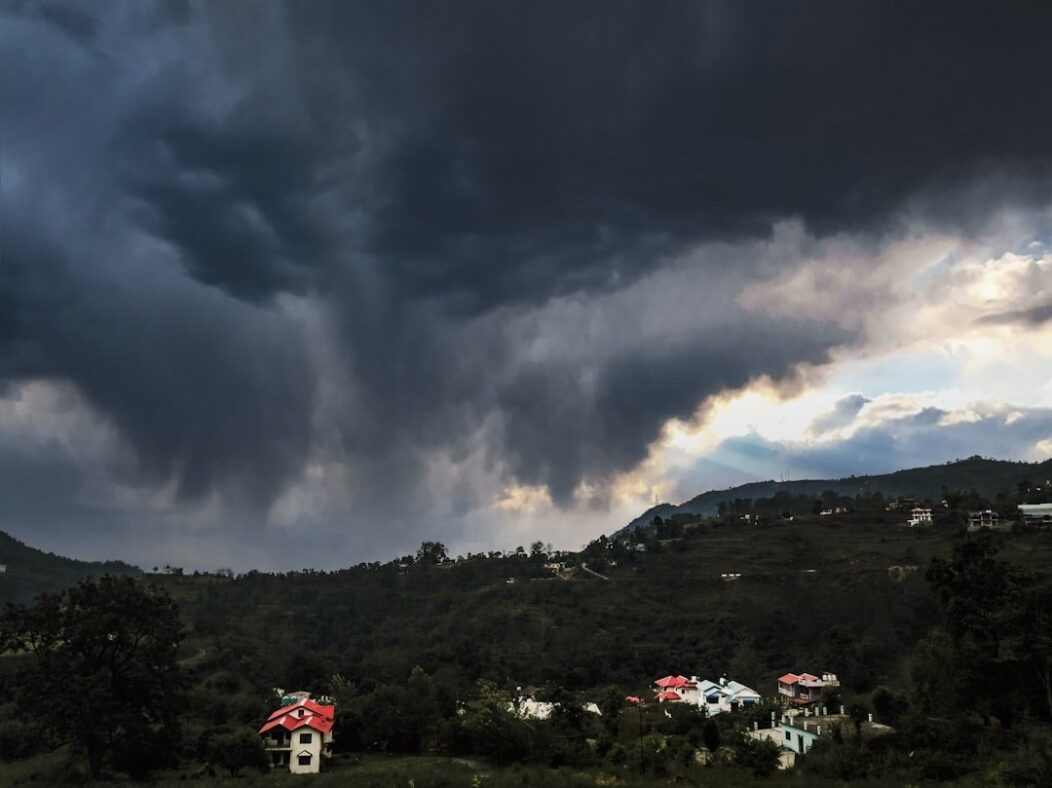
Bipradeep Saha/Unsplash
A combination of extreme weather events, including a record-breaking heat dome, dangerous wildfire smoke, and an approaching tropical storm, is affecting large parts of the United States as of July 21, 2026. Severe thunderstorms and flash flooding threats loom across the Midwest, East Coast, and Gulf states, while residents face hazardous air quality and sweltering heat in central regions.
Severe Thunderstorms and Flash Flooding Threaten Midwest and East Coast
The National Weather Service has issued warnings for scattered severe thunderstorms expected on July 20 and 21 across the Midwest, Northeast, and Mid-Atlantic. These storms are developing along a cold front moving through the Upper Midwest and Ohio Valley, bringing heavy rainfall and localized flash flooding risks. Portions of Wisconsin, Illinois, and Michigan have already experienced showers, with major East Coast cities such as Washington, DC, Baltimore, and areas of eastern Virginia and North Carolina forecast to receive significant rainfall later in the week.
Meanwhile, the Gulf Coast braces for Tropical Storm Bertha, which is forecast to intensify as it moves inland from the Gulf of Mexico. The National Hurricane Center warns that Bertha could cause flash flooding and strong winds from the Texas coast to western Florida’s Panhandle. This marks the second named storm of the 2026 Atlantic hurricane season, following heavy rains that recently caused deadly flash floods in Texas, Utah, and Arizona.
Record-Breaking Heat Dome Sweeps Central U.S.
A powerful heat dome has settled over the central United States, pushing temperatures and heat indices to dangerous levels. Southern Illinois, western Kentucky, and southeast Missouri are facing heat indices as high as 116 degrees Fahrenheit. The National Weather Service has issued extreme heat warnings urging residents to stay hydrated and limit outdoor activities to avoid heat-related illnesses.
The sustained heat places additional strain on communities already grappling with other weather hazards. Health officials remind vulnerable populations, including the elderly, young children, and people with preexisting health conditions, to take extra precautions during this intense heat event.
Wildfire Smoke Creates Toxic Air Quality Across Great Lakes and Midwest
Smoke from ongoing Canadian wildfires continues to drift southward, blanketing much of the Great Lakes and Midwest regions with a sepia-tinted haze and unhealthy air quality. States such as Wisconsin, Michigan, Illinois, Indiana, and Iowa remain under air quality alerts as the smoke is expected to linger for several more days. The haze has also impacted major metropolitan areas including New York City, Philadelphia, and Washington, DC.
In addition to the Canadian fires, wildfires in Oregon and northern Idaho contribute to poor air quality on the West Coast. Health officials warn that the smoke can irritate the eyes and lungs, exacerbating heart and lung conditions, and advise at-risk groups—including infants, pregnant women, and older adults—to limit outdoor exposure.
Recent Flooding Highlights Growing Weather Risks
Recent flash flooding events underscore the growing intensity of extreme weather. On July 17, floodwaters claimed eight lives across Texas, Arizona, and Utah. Texas Governor Greg Abbott confirmed two deaths caused by floodwaters, while Utah’s Wayne County Sheriff’s Office reported five family members killed in a major flood. In Arizona, a man was swept away in the Santa Cruz River. These tragedies highlight the urgent need for preparedness as severe weather systems become more frequent and volatile.
As the nation faces a convergence of extreme heat, severe storms, and toxic air, residents across multiple regions are urged to stay informed, heed weather advisories, and take precautions to protect their health and safety in the coming days.