These 10 US Cities Are Losing Residents So Fast That Home Values Could Collapse by 2027
Discover which 10 US cities are hemorrhaging residents in 2026, risking sharp drops in home values by 2027.
Itzyphoto/Pexels
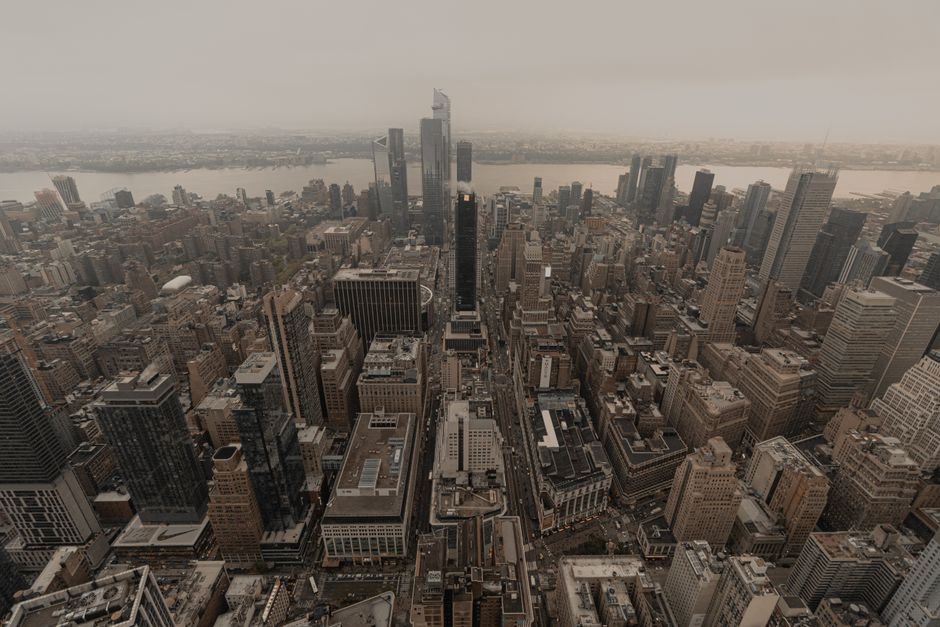
Across the United States, several cities are witnessing alarming population drops in 2026, sparking fears of a housing market crash. As residents leave in search of better opportunities, these communities face looming economic challenges and potential home value collapses by 2027. Here are the 10 cities at greatest risk.
1. Detroit, Michigan
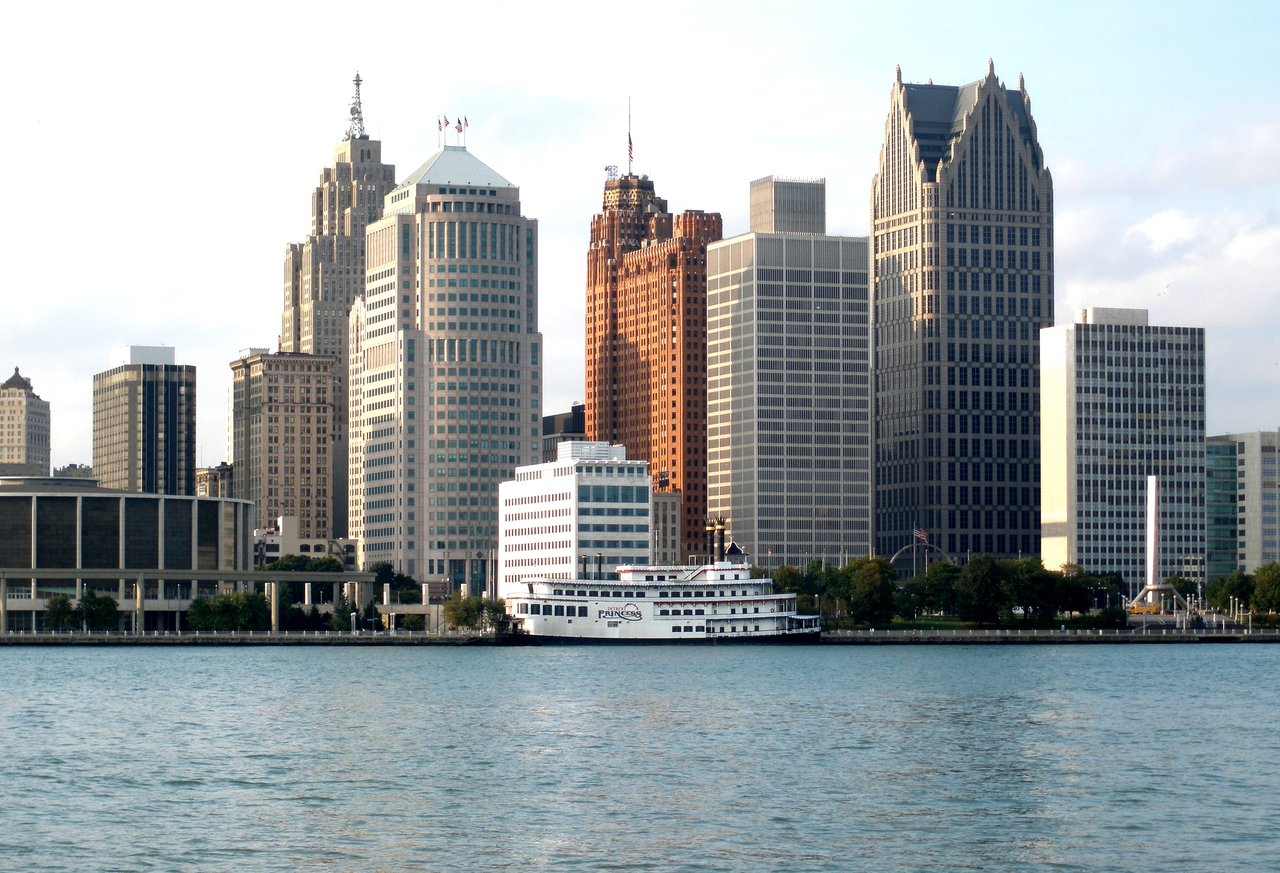
Detroit continues to see an exodus of residents, with recent 2026 data showing a population decline of over 2% this year alone. Once a booming automotive hub, the city struggles with job losses in manufacturing and slow economic diversification. The shrinking population has led to a growing surplus of vacant homes, causing property prices to plummet in many neighborhoods.
2. St. Louis, Missouri
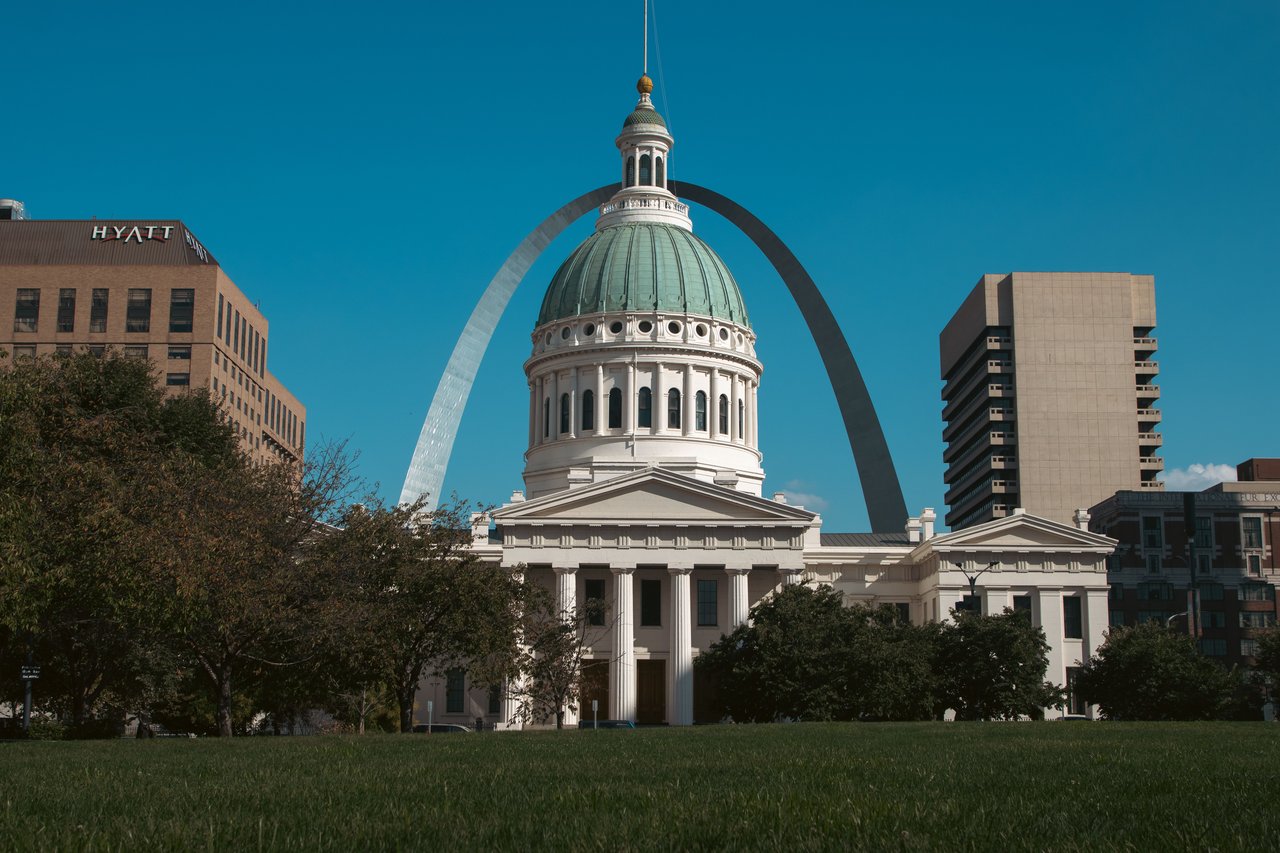
St. Louis has experienced a steady population drop, accelerated in 2026 by the relocation of major employers and rising crime rates. The city’s home market is increasingly flooded with listings, pushing median home prices down by nearly 5% since early this year. Analysts warn that without economic revitalization, values could fall sharply by 2027.
3. Cleveland, Ohio
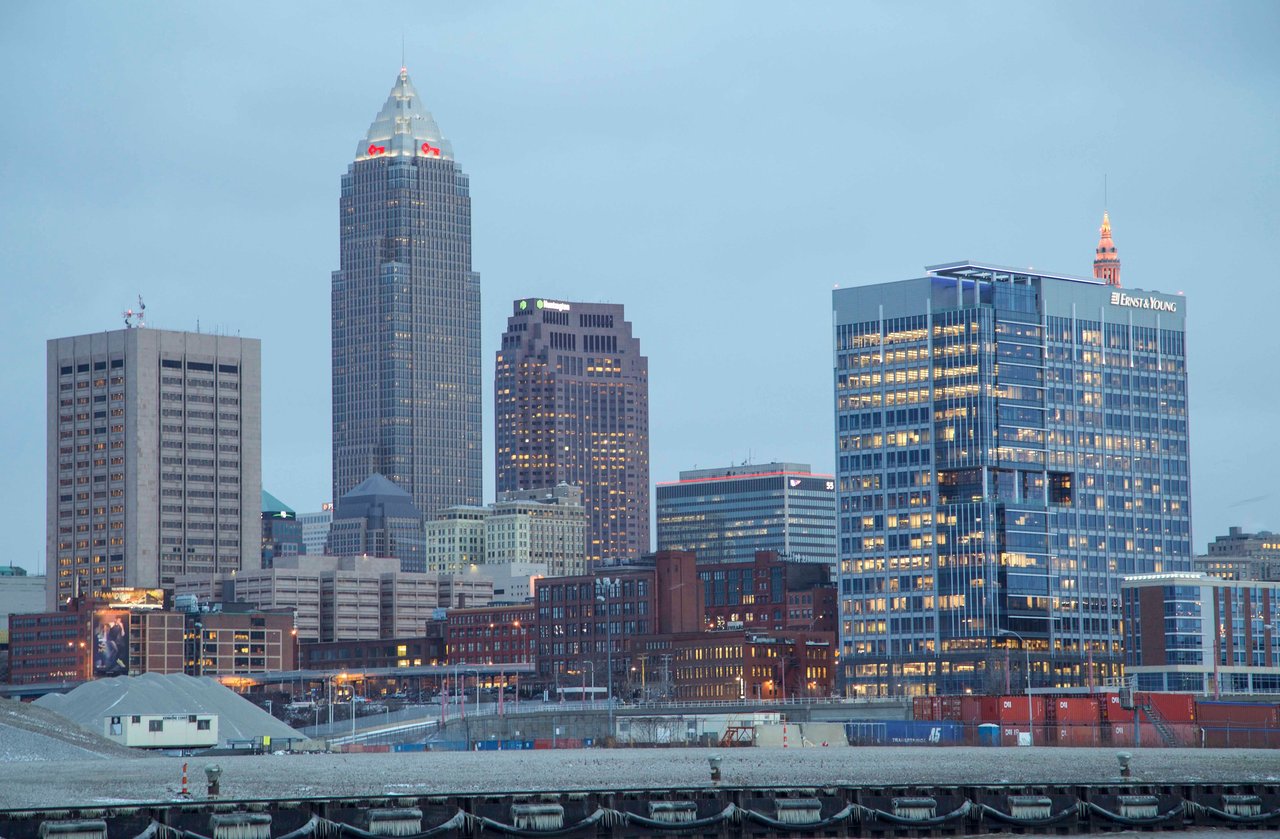
Cleveland’s population shrank by 1.8% in the first half of 2026, driven mainly by young professionals moving to more dynamic metro areas. The city’s aging infrastructure and limited job growth are key factors in this decline. Homeowners are struggling to find buyers, causing price reductions and foreclosures to surge.
4. Baltimore, Maryland
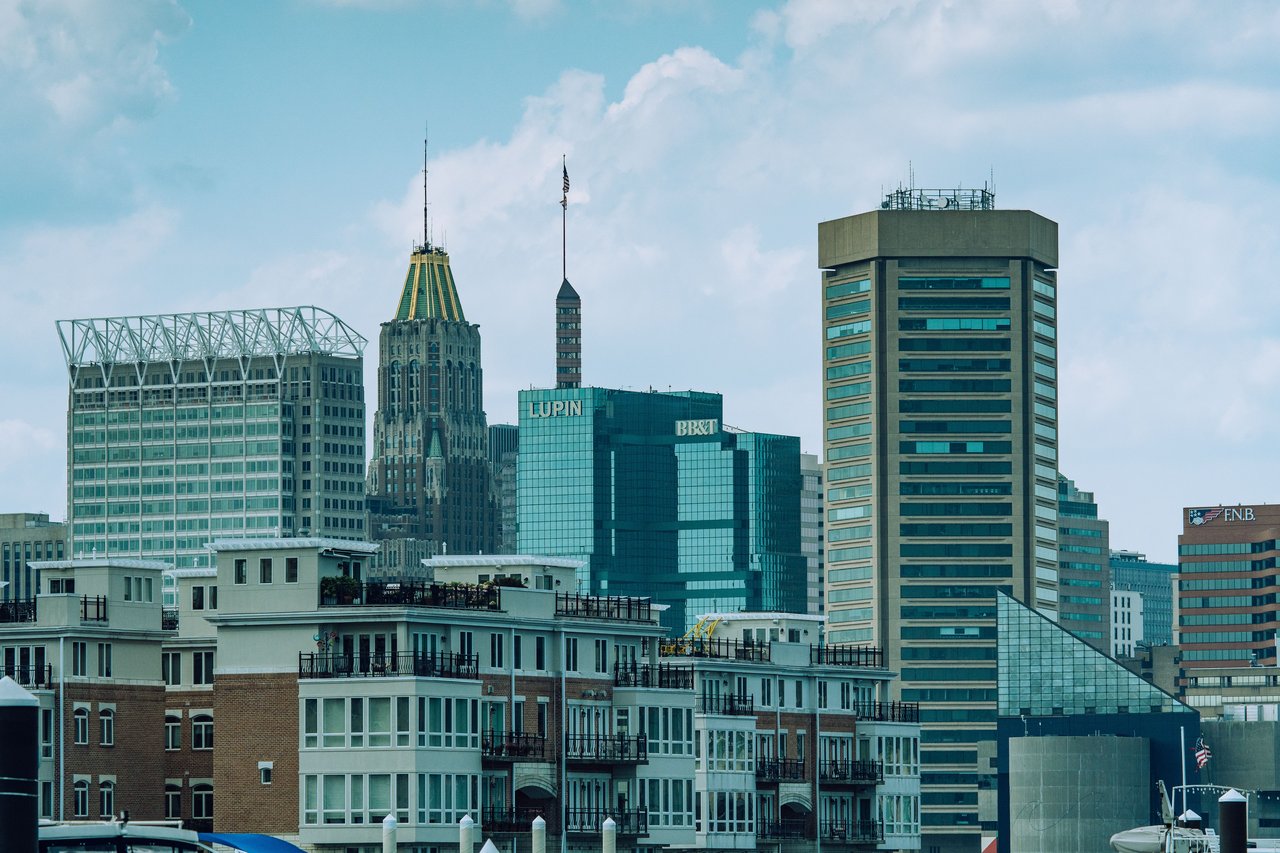
Baltimore faces a complex mix of economic and social challenges, with its population down 1.5% in 2026. The exodus is particularly pronounced in neighborhoods affected by high crime and underfunded schools. The housing market reflects this trend, with a 6% drop in home values compared to 2025, signaling potential further losses ahead.
5. Buffalo, New York
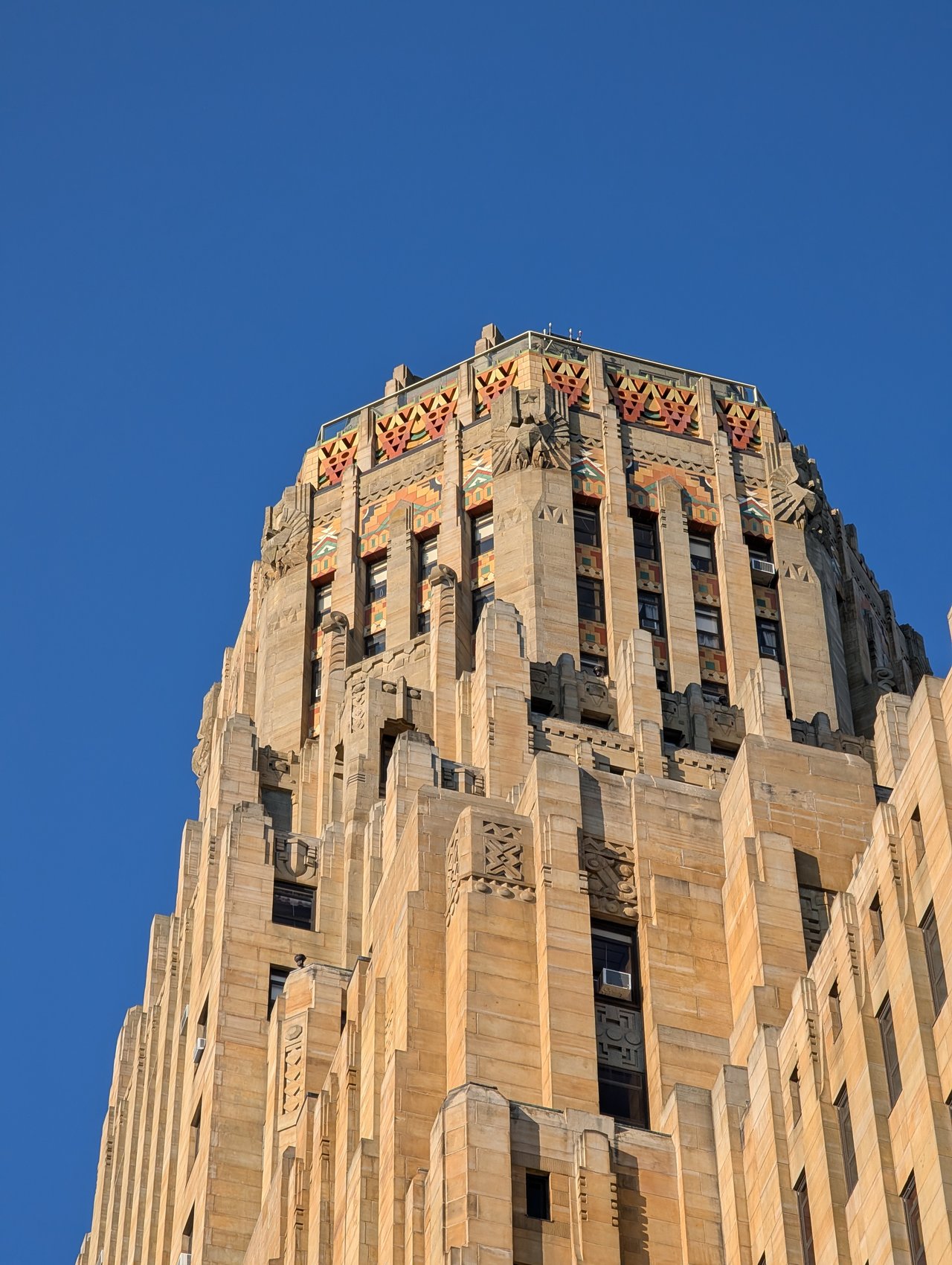
Despite some revitalization efforts, Buffalo’s overall population declined by 1.3% in 2026. The city’s harsh winters and limited job opportunities continue to push residents toward other regions. The oversupply of housing and slow demand growth have led local real estate experts to forecast a possible 10% value adjustment by early 2027.
6. Pittsburgh, Pennsylvania
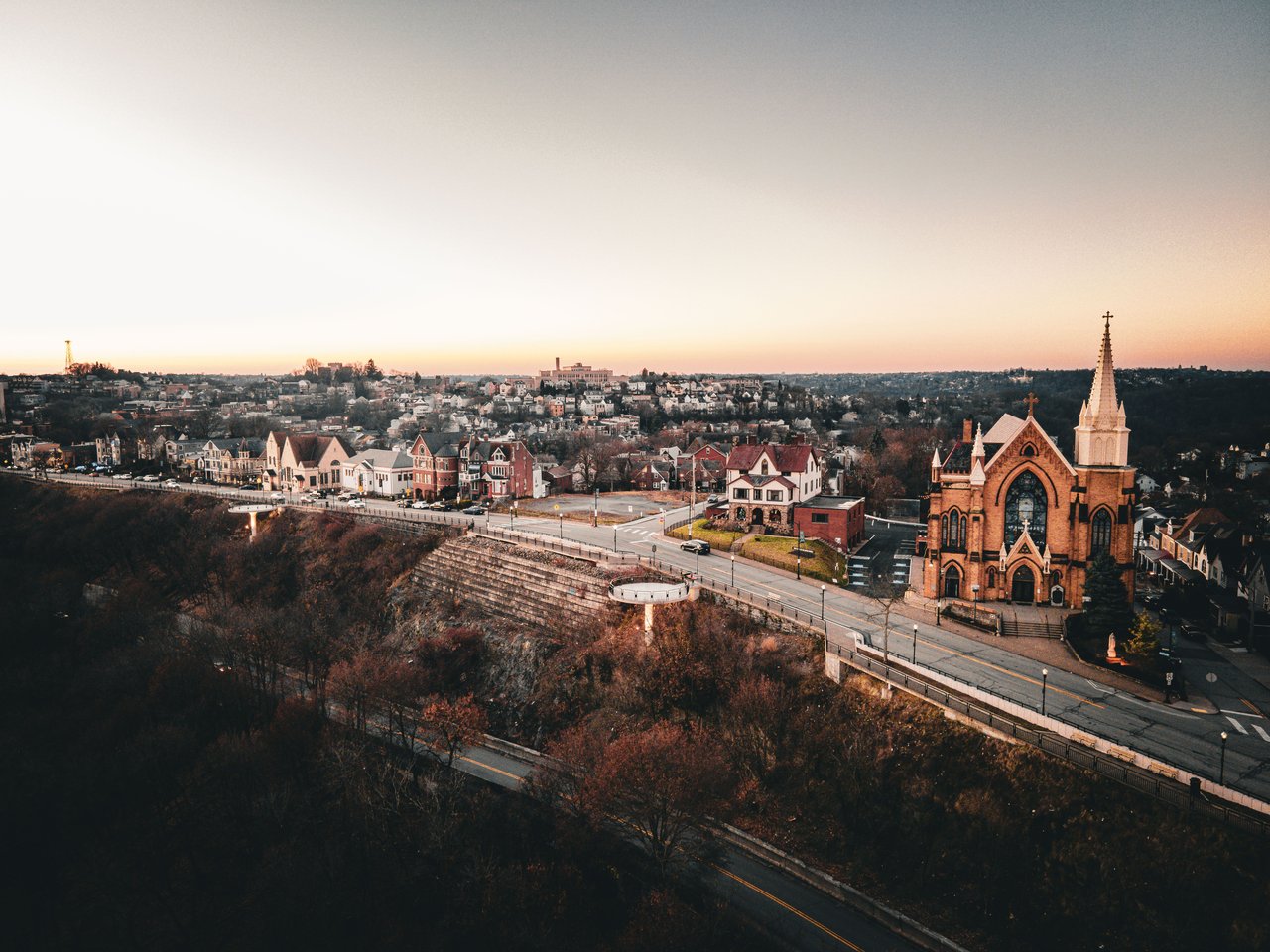
Pittsburgh has seen a 1.7% population decrease in 2026, as younger demographics move to tech hubs like Austin or Denver. Although the city is transitioning from steel to tech, it hasn’t yet offset the outflow. The housing market is experiencing rising inventory levels, causing downward pressure on prices in many neighborhoods.
7. New Orleans, Louisiana
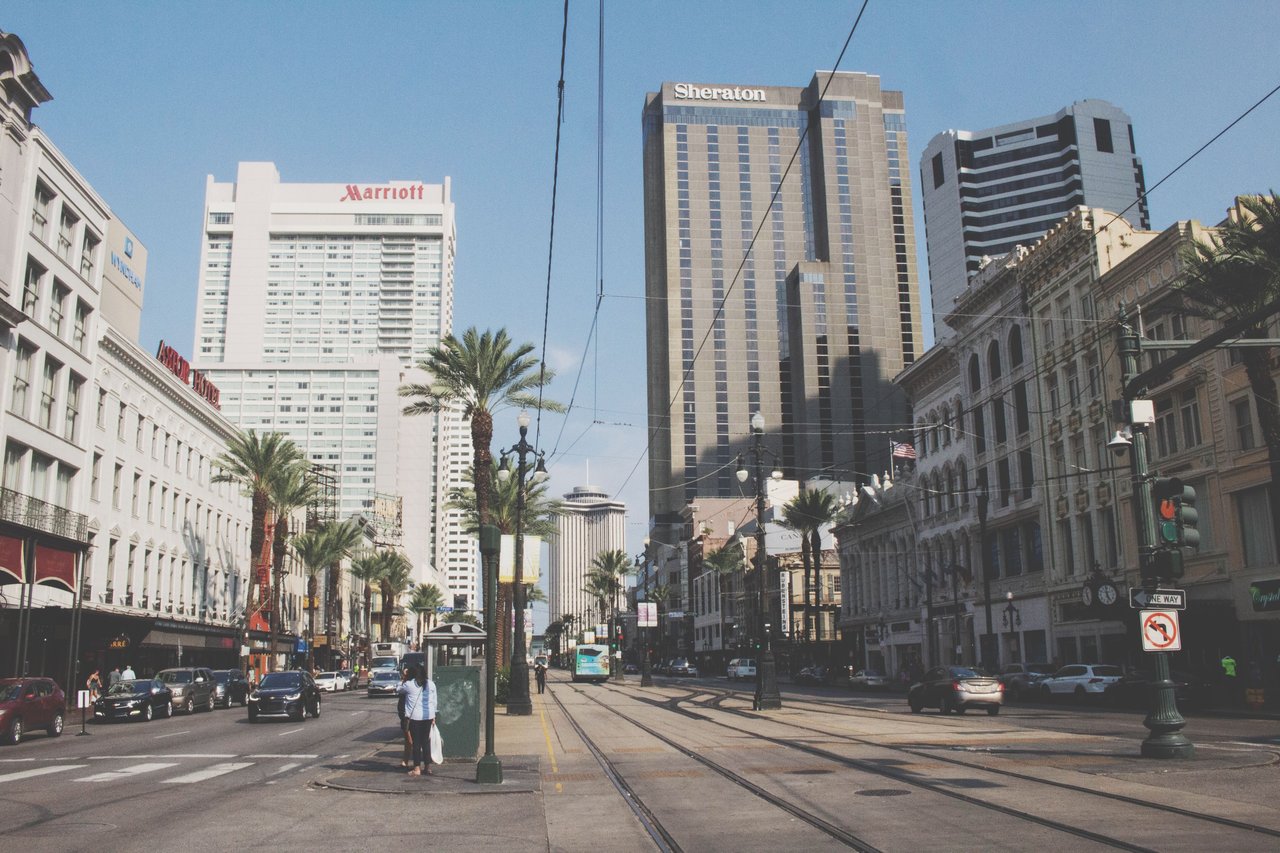
New Orleans’ population drop accelerated in 2026 due to increased flooding risks and economic stagnation. The city lost approximately 2% of its residents this year, many relocating to safer inland areas. This trend has led to a 7% decline in home values, with some flood-prone neighborhoods facing even steeper drops.
8. Akron, Ohio
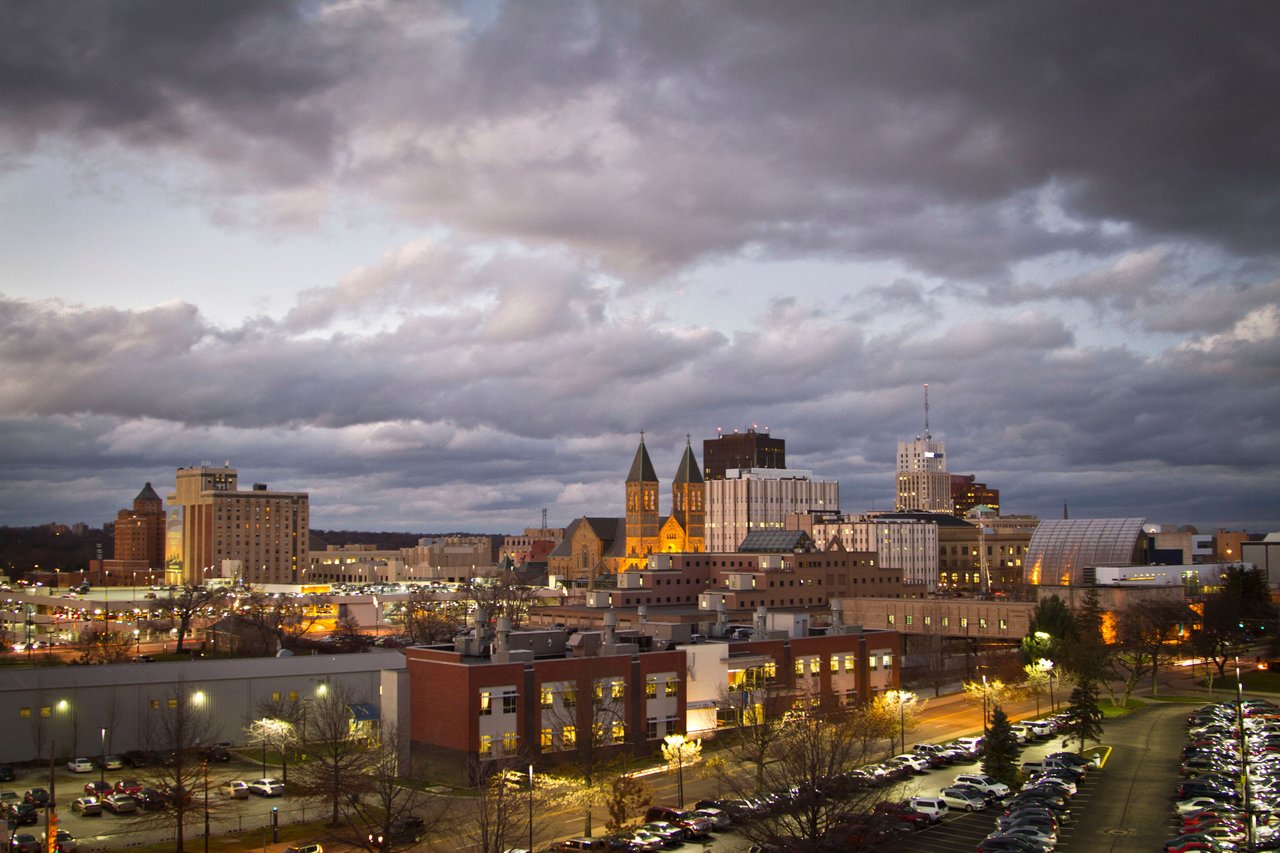
Akron continues to lose residents amid factory closures and lack of new industry. The 2026 population decline stands at 2.1%, the highest among smaller metropolitan areas. The housing market is saturated with distressed properties, driving prices down and increasing the risk of a market collapse by 2027.
9. Syracuse, New York
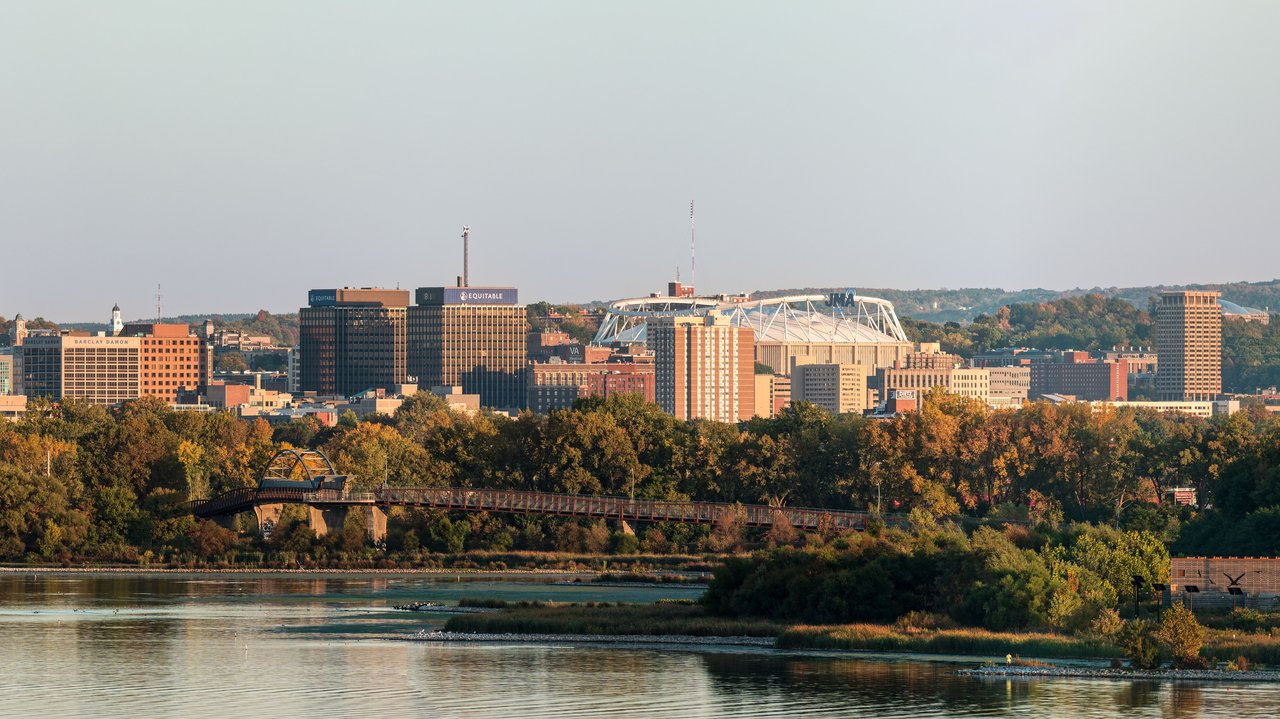
Syracuse’s population shrank by 1.9% in 2026, influenced by limited economic opportunities and harsh winters. The city’s housing market is marked by high vacancy rates and falling prices, with some neighborhoods seeing decreases of up to 8% in the past year alone.
10. Birmingham, Alabama
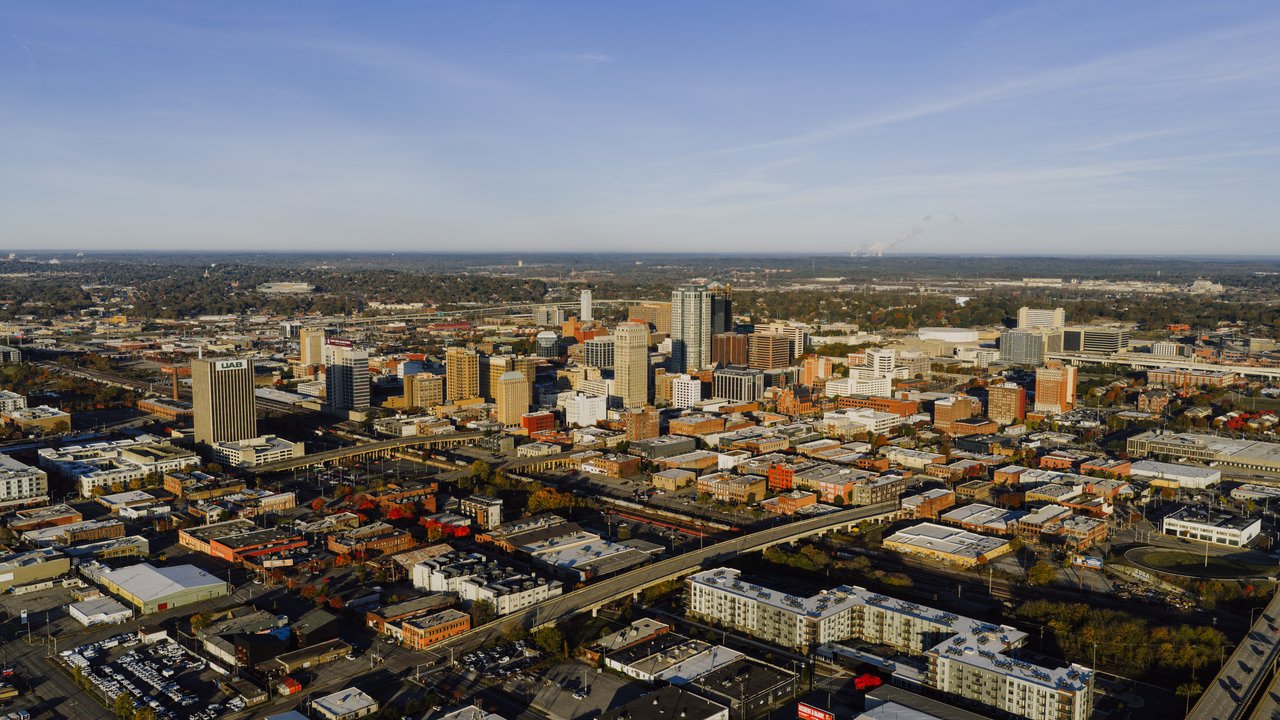
Birmingham’s 2026 population loss of 1.6% stems from declines in manufacturing jobs and limited urban investment. The housing market is softening, with home sales slowing and prices dropping by nearly 5%. City officials warn that without intervention, the downward trend could accelerate, further destabilizing property values.
These 10 US cities highlight the critical connection between population trends and housing market health. As residents continue to leave in 2026, the risk of home value collapses by 2027 becomes increasingly real. Understanding these dynamics can help potential homeowners, investors, and policymakers make informed decisions in an uncertain market.