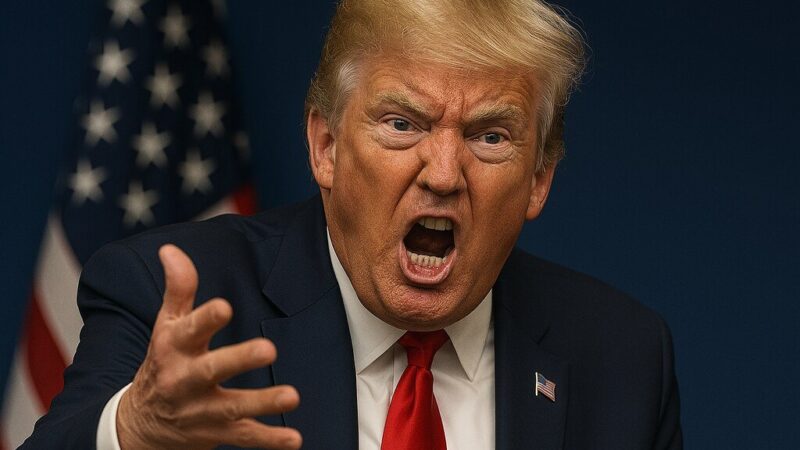
Trump Blames Minnesota Governor for Cyberattacks on State Water Systems
President Trump blames Minnesota’s governor for recent water system cyberattacks despite federal probes into Iranian involvement.
geralt/Pixabay
President Donald Trump on July 31, 2026, publicly blamed Minnesota’s Democratic governor for the cyberattacks targeting the state’s water systems, dismissing claims that Iran or Iranian-linked hackers were responsible. The attacks, which affected more than 30 water systems across Minnesota earlier this week, are under federal investigation amid rising concerns about cybersecurity vulnerabilities in critical infrastructure nationwide.
Trump Attributes Cyberattacks to Governor’s Incompetence
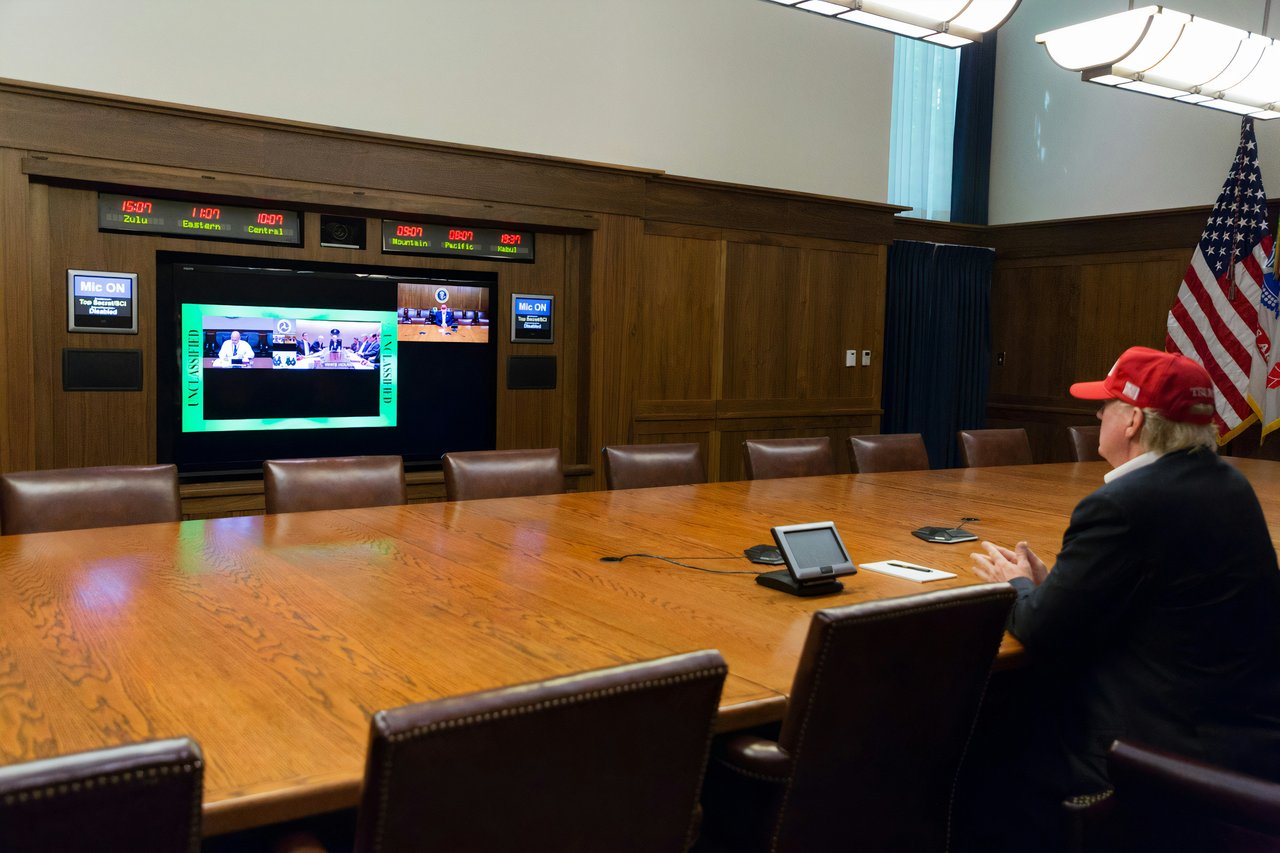
Speaking at a Cabinet meeting held at Camp David, Trump challenged reports attributing the cyberattacks to Iran. “We heard in Minnesota there was a cyberattack and they blame it on Iran. I don’t think so. I think, I blame it on Minnesota because they’re grossly incompetent,” Trump said without presenting evidence to support his claim. His remarks came as federal agencies continued their probe into the origin and scope of the attacks.
Governor Walz Responds, Citing Federal Cybersecurity Cuts
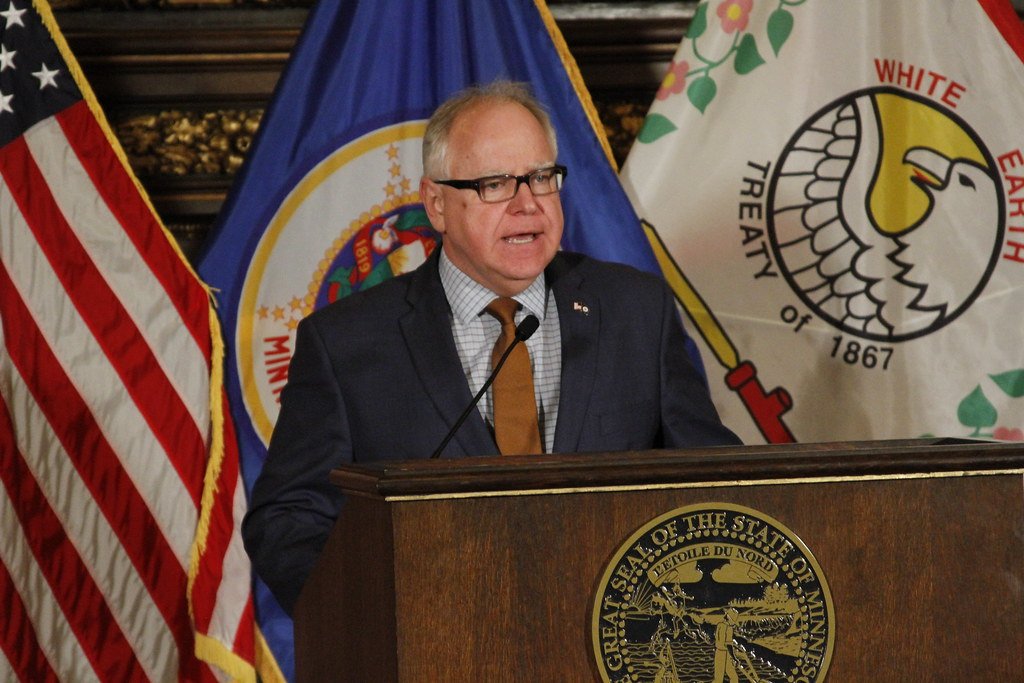
Minnesota Governor Tim Walz swiftly rebutted Trump’s accusations via social media, emphasizing the seriousness of the attacks and the challenges posed by federal budget cuts. “Trump knows exactly who is responsible for this attack, and knows that other states were hit too. This is what modern warfare looks like, and it further illustrates there’s no plan to win a war with Iran,” Walz wrote.
Walz also criticized cuts made by the Department of Government Efficiency (DOGE) that weakened cybersecurity efforts, pointing out that “DOGE took an axe to CISA and left the U.S. exposed to cyber attacks. Thankfully, our experts in Minnesota were able to identify the vulnerability quickly and work with local communities to stop it.”
Details of the Cyberattacks on Minnesota Water Systems
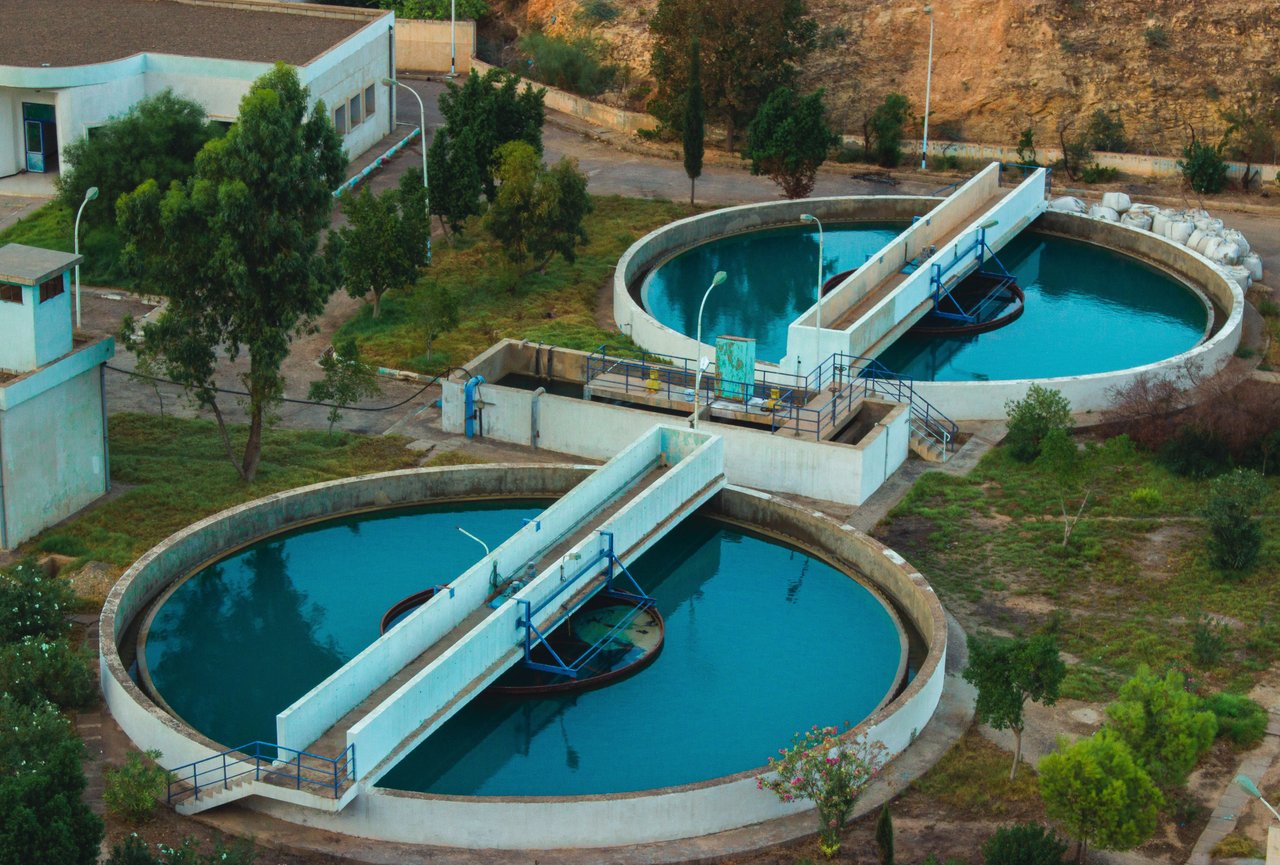
According to Minnesota IT Services (MNIT), the cyberattacks occurred Sunday and Monday, targeting systems that remotely monitor and control water equipment, including programmable logic controllers (PLCs). These PLCs are critical for remote access and operation of water infrastructure.
Federal officials have briefed Minnesota authorities about the possibility that Iranian state-sponsored or affiliated hackers may be behind the attacks, though MNIT has not officially confirmed the perpetrators.
The FBI issued a statement confirming its awareness and active involvement in protecting critical infrastructure, saying, “The FBI and our interagency partners are fully engaged to protect critical infrastructure and we remain well-equipped to protect against cyber threats of all varieties.” MNIT confirmed there were no requests for residents to alter water usage during the incident.
Wider National Impact and Federal Warnings
The cyberattacks in Minnesota appear to be part of a broader pattern targeting water systems across the United States. Following the Minnesota incident, the FBI and Environmental Protection Agency issued a nationwide warning to water utilities in at least seven states, including Georgia and Michigan, which have reported similar breaches.
Michigan state officials confirmed nine reports consistent with the FBI’s public service announcement, and the state’s Emergency Management and Homeland Security Division circulated alerts statewide to raise awareness and encourage vigilance.
The Cybersecurity and Infrastructure Security Agency (CISA) warned that attackers are modifying passwords on PLCs to lock out operators, a tactic designed to disrupt water system control and monitoring.
Officials Stress Continued Vigilance and Resource Challenges
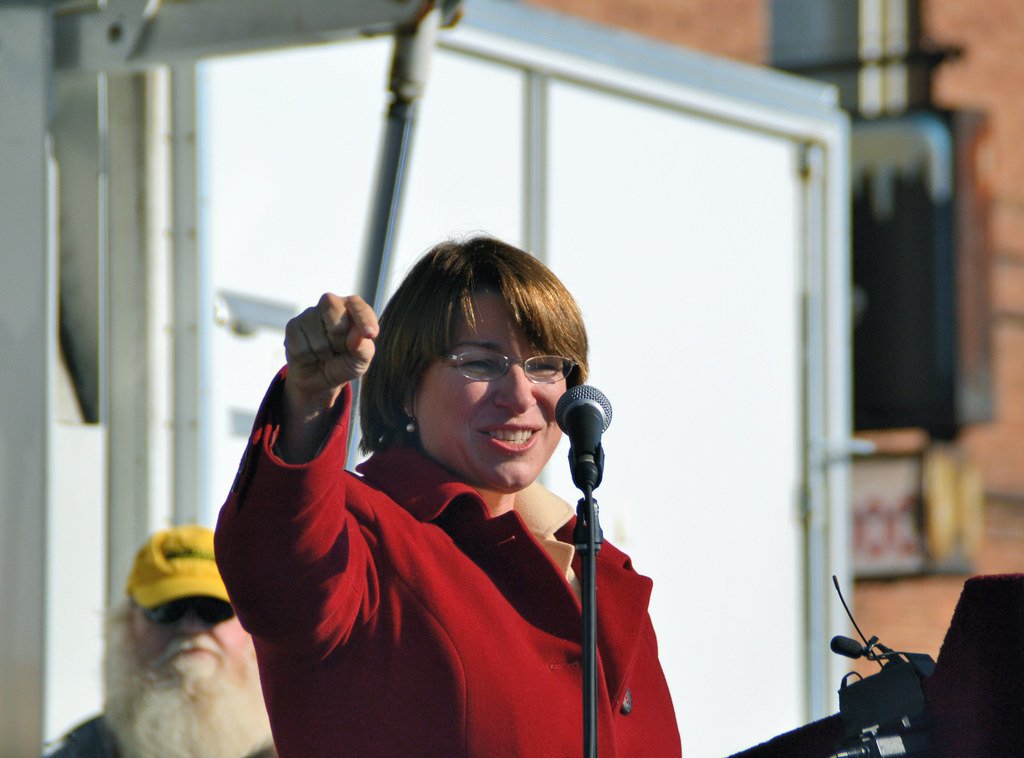
U.S. Senator Amy Klobuchar of Minnesota communicated with National Cyber Director Sean Cairncross regarding the attacks, noting that no service disruptions have occurred to date. Klobuchar emphasized the need for updated technology and resources, pointing out that many communities nationwide face cybersecurity funding challenges.
She also highlighted the coordinated federal warnings issued to water utilities nationwide, underscoring the growing threat of cyberattacks on critical infrastructure sectors.
The recent cyberattacks expose vulnerabilities in U.S. water infrastructure and highlight the urgent need for enhanced cybersecurity measures and intergovernmental coordination to protect essential public services from evolving digital threats.