US Passport Falls to Lowest Ranking in a Decade Amid Global Shifts
The US passport has dropped to 10th place in global rankings, reflecting shifting visa policies and international travel access in 2026.
Global Residence Index/Unsplash
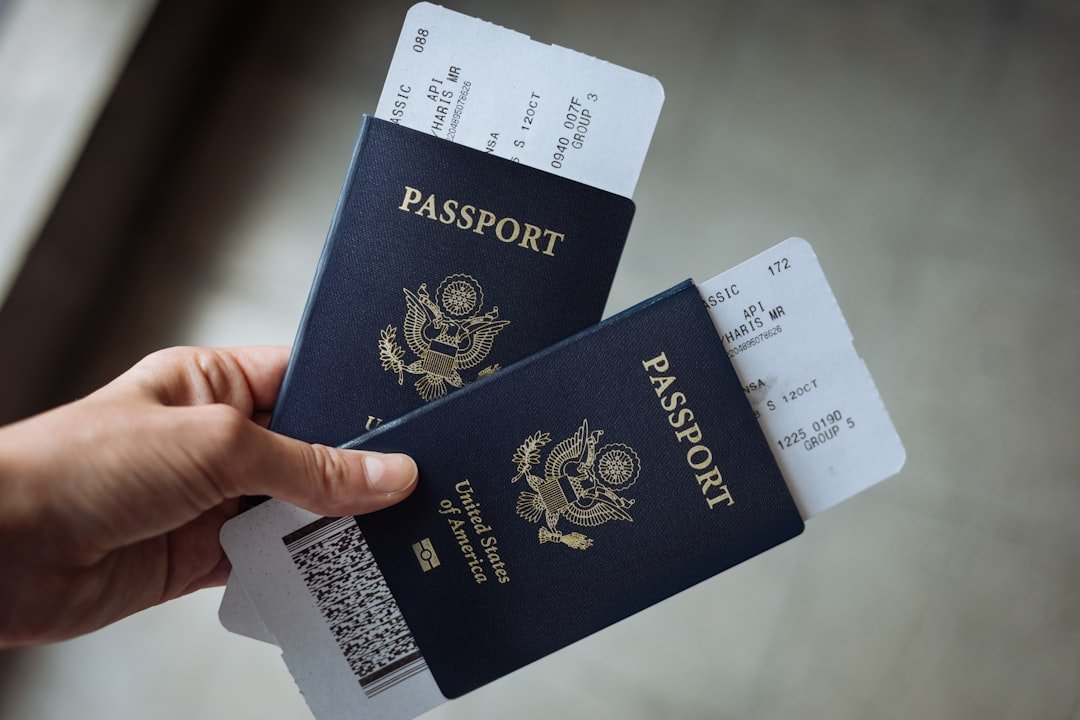
The United States passport has slipped to 10th place in the 2026 Henley Passport Index, marking its lowest global ranking since 2016. This shift reflects how other countries have aggressively expanded visa-free travel access for their citizens, while the U.S. has maintained more restrictive reciprocal policies. Experts warn this trend signals a changing landscape in international mobility and diplomatic influence.
Global Passport Ranking Overview
The Henley Passport Index, which ranks 199 passports based on visa-free access to 227 destinations worldwide, placed the U.S. passport tied with Iceland at 10th place this year. This is a significant drop from its peak position at 4th place a decade ago. Leading the list is Singapore, followed by Japan, South Korea, and the United Arab Emirates sharing second place.
While the American passport remains strong—allowing visa-free travel to approximately 180 destinations—over 30 countries now surpass the U.S. in global mobility, thanks largely to new visa-waiver agreements and regional diplomatic efforts.
Factors Behind the US Decline
Experts attribute the U.S. passport’s fall not to a weakening of American global standing but rather to other nations’ proactive expansion of travel access. Richard T. Herman, a U.S. immigration attorney, points to the imbalance in reciprocal travel arrangements as a key factor. Though Americans enjoy extensive visa-free access abroad, the U.S. currently offers visa-free entry to citizens of only 42 countries under its Visa Waiver Program.
Tom Topol, an expert on travel documentation history, notes that countries like Japan, Singapore, and many European nations have pursued broader visa-waiver deals. Meanwhile, the U.S. maintains stringent security-focused immigration policies that limit such reciprocity. This cautious approach has caused America to lose ground in a rapidly opening global travel environment.
International Reciprocity and Security Policies
Visa access often hinges on reciprocity, which has become increasingly transactional in nature. Professor Usha Haley of Wichita State University explains that security concerns, political debates over immigration, and strict requirements for the U.S. Visa Waiver Program restrict Washington’s ability to adopt more open travel agreements.
For example, while U.S. citizens continue to require visas to enter China, several European countries now benefit from China’s unilateral visa waivers. Additionally, Brazil recently reinstated visa requirements for U.S. travelers, citing a lack of reciprocal access. These policy shifts highlight how the U.S. is being outpaced in diplomatic travel arrangements by competitors who prioritize expanding their citizens’ mobility.
Other Countries’ Gains in Travel Freedom
Regional cooperation and new diplomatic initiatives have fueled the rise of other passports. Many European nations have strengthened mobility through EU-wide agreements, while Asian countries like Singapore and Japan have negotiated extensive visa-free access with multiple regions.
China’s recent decisions to offer visa waivers to citizens of select European countries, along with the UAE’s climb to second place on the index, illustrate how emerging diplomatic strategies are reshaping global travel norms. The U.S. stands out as one of the few top-ranked passport holders still facing visa restrictions in key global markets.
These developments reflect a shifting balance in international relations where travel freedom is a marker of diplomatic influence and global integration.
As global mobility evolves, experts caution that the U.S. passport’s declining rank serves as a warning sign—not of a collapse in American power, but of the need for renewed diplomatic engagement and strategic visa policy adjustments.
Maintaining strong global travel access remains critical for American citizens and the country’s broader international standing.