Teachers Criticize Trump Education Chief After AI Classroom Comments
North Carolina teachers express outrage after Trump’s education secretary stumbles on AI use in classrooms during CNN interview.
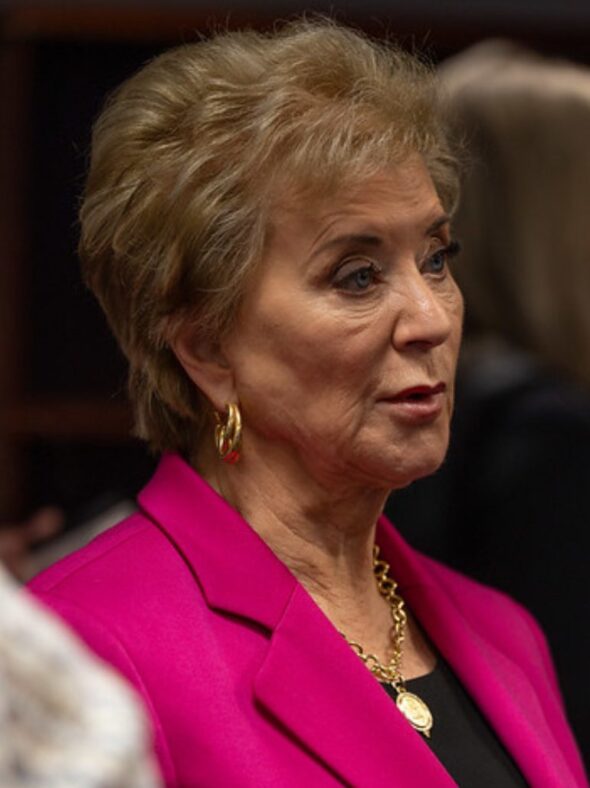
U.S. Department of Education/Wikimedia Commons
Teachers and educators across North Carolina and beyond voiced sharp criticism this week following comments made by President Donald Trump’s education secretary, Linda McMahon, during a CNN interview about the use of artificial intelligence (AI) in classrooms. The interview, aired Sunday, sparked concern among educators who say McMahon’s remarks reveal a misunderstanding of classroom realities and risk undermining public education.
McMahon’s AI Comments Draw Immediate Backlash
On CNN’s “State of the Union,” host Dana Bash asked McMahon whether students using AI tools in school are effectively being treated like “guinea pigs,” noting the lack of long-term data on AI’s educational impact. McMahon admitted there aren’t many metrics available but emphasized that students spending extended time on computers benefit from “one-on-one” tutoring via technology. Her framing of AI as a largely unproven experiment, combined with her focus on screen time, drew swift rebuke from educators nationwide.
Many teachers and education advocates took to social media to express frustration, arguing that McMahon’s remarks reveal a disconnect from classroom needs and challenges. Sari Beth Rosenberg, a history teacher and AI education advocate, said, “This is exactly how AI should not be used in classrooms. Replacing teachers with tech is a step toward dismantling public education, and it hurts students.” Similar sentiments echoed from North Carolina educators, including former NCSU teacher Matt Walton who called McMahon unqualified to head education policy given her lack of teaching experience.
Educators Warn Against Overreliance on Technology
Critics argue that McMahon’s enthusiasm for AI and technology risks overshadowing the critical role teachers play in student development. While AI tools can support learning, educators emphasize that technology must complement—not replace—instruction. Many expressed concern that the Trump administration’s push for increased classroom technology, without sufficient evidence or support, could exacerbate educational inequalities, especially in rural areas like Wayne and Duplin counties.
Leonie Haimson, executive director of Class Size Matters, highlighted the contradictory messaging from McMahon, noting her simultaneous promotion of AI and caution about screen time. This ambivalence reflects broader debates about the role of technology in schools, where parents, teachers, and policymakers remain divided. Some fear that AI-driven education models could prioritize cost-cutting over quality, leaving students to learn from machines rather than human educators.
Local Educators Speak Out
In North Carolina, teachers on the front lines of education voiced their dismay. John O’Brennan, a professor of European politics based in the state, sharply criticized McMahon’s leadership, calling it an “intent to dumb down American education.” Meanwhile, Wayne and Duplin county teachers shared concerns about the practical impact of relying heavily on AI tools amid ongoing teacher shortages and funding challenges.
Many educators also pointed out that students themselves prefer human interaction, with several surveys showing young learners want teachers—not AI—to guide their learning. The debate comes as schools across the region increasingly integrate technology, but also grapple with how to balance innovation with proven teaching methods.
Calls for Clearer Policy and Teacher Support
Following the interview and ensuing backlash, education advocates are calling for more transparent policies and greater investment in teachers rather than technology alone. They urge the Department of Education to provide robust evidence supporting AI use before widespread adoption and to prioritize teacher training and classroom resources.
Educators emphasize that AI should be a tool that empowers teachers, not a replacement. As schools in North Carolina prepare for the upcoming academic year, discussions about technology’s role remain central, with many insisting that any changes must be carefully evaluated to protect student learning and equity.
The controversy surrounding McMahon’s comments highlights the tensions around education technology policy under the Trump administration and underscores the ongoing debate about how best to integrate AI in classrooms without compromising educational quality.
As this debate unfolds, North Carolina’s educators remain steadfast in their commitment to student-centered learning and call on policymakers to listen to those in the classroom before making sweeping decisions on AI and education.