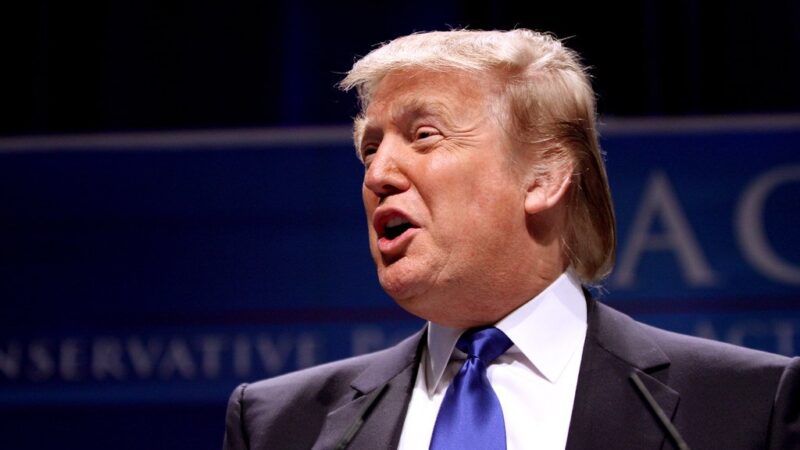
Majority of Trump’s White House Staff Poised to Depart Amid Rising Tensions
Reports reveal most of Trump’s White House staff are planning to leave, citing internal strife and leadership challenges.
The White House from Washington, DC/Wikimedia Commons
As of late August 2026, reports indicate a significant number of President Donald Trump’s White House staff are preparing to leave their positions amid growing internal conflicts and dissatisfaction. The departure of Press Secretary Karoline Leavitt at the end of this month signals deeper unrest within the administration that has many aides reconsidering their futures.
Tensions Mount Behind Closed Doors
According to multiple sources, the atmosphere within the White House has become increasingly strained over recent months. New York Times correspondent Maggie Haberman, who closely covers the administration, described the president as “not in a great place with his staff” and noted frequent outbursts from Trump, which are often signs of mounting pressure. Staff members reportedly express frustration with the working environment, with many indicating their intent to seek opportunities elsewhere.
One source highlighted that the president’s sharp reactions escalate when internal matters do not unfold as expected, intensifying friction among senior aides and junior staff alike. Such discord has been a contributing factor to several high-profile departures this year.
Key Staff Departures and Controversies
The White House has already experienced a wave of prominent exits in 2026. Most recently, Press Secretary Karoline Leavitt announced her departure, marking a critical loss for the communications team. Earlier this year, Homeland Security Secretary Kristi Noem was removed from her post amidst controversy over department spending and public backlash following fatal shootings of protesters by immigration agents in Minnesota.
Attorney General Pam Bondi was also dismissed after a tumultuous period involving the Justice Department’s handling of sensitive files related to Jeffrey Epstein. President Trump had publicly pushed Bondi to pursue more aggressive legal action against his political adversaries, adding to internal tensions.
Internal Struggles Over Policy and Personnel
Reports reveal ongoing disputes between President Trump and key Cabinet members. For example, Trump reportedly confronted Defense Secretary Pete Hegseth at Camp David over concerns about U.S. munitions shortages linked to the ongoing Iran conflict. Trump expressed frustration, believing the issue had been resolved when it had not, leading to a sharp rebuke of “treasonous” leaks on social media.
Additionally, there has been internal dissatisfaction with aides such as Natalie Harp, known for her fierce loyalty to Trump but reportedly not well-liked by colleagues. The White House also reportedly considered dismissing FBI Director Kash Patel after he was publicly seen celebrating with the U.S. Olympic hockey team—a move both the White House and Patel have denied. Patel has since filed a defamation lawsuit against The Atlantic regarding such reports.
What This Means for the Administration Moving Forward
The exodus of staff members and internal conflicts present a challenging landscape for the Trump administration. With many experienced officials departing and tensions high among remaining staff, the White House faces potential disruptions in governance and communication at a critical time.
Experts suggest that unless the administration can stabilize its internal environment and rebuild trust among team members, further departures are likely. The current instability could impact policy execution and the administration’s public messaging as it heads into the latter part of 2026.
- Press Secretary Karoline Leavitt’s exit highlights communication challenges
- High-profile departures include Kristi Noem and Pam Bondi
- Conflict over defense munitions and internal leaks fuels tensions
- Controversy surrounds aides like Natalie Harp and FBI Director Kash Patel
- Staff morale is reportedly at a low point, with many seeking to leave
With these ongoing challenges, the Trump White House is at a pivotal moment, balancing leadership demands against the risk of losing more of its team amid a turbulent political climate.