7 Surprising Cities Leading the Way in Tenant-Friendly Laws This Year
Discover the top 7 US cities where renters are gaining power through new tenant-friendly policies in 2026. See which cities top the list.

K/Pexels
Renters across the United States are seeing a shift in power as several cities roll out progressive tenant-friendly policies in 2026. From stronger eviction protections to rent control measures, these cities are redefining what it means to rent in America. Here are seven US cities where renters are gaining the upper hand this year.
1. Seattle, Washington

Seattle continues to lead with some of the strongest tenant protections in the nation. In 2026, the city expanded its just-cause eviction ordinance, requiring landlords to provide a legitimate reason for eviction beyond lease violations. Additionally, Seattle introduced a new renter relocation assistance program that mandates landlords to pay up to three months’ rent if tenants are displaced by no fault of their own. This combination of policies has fostered a more stable rental market and empowered renters with stronger legal backing.
2. Minneapolis, Minnesota

Minneapolis made headlines in 2026 by strengthening its rent control laws, capping annual rent increases at 3% for all multifamily units. The city also implemented a tenant right-to-counsel program, providing free legal assistance to renters facing eviction. These measures have significantly reduced displacement rates, especially in historically marginalized neighborhoods, marking Minneapolis as a national model for renter advocacy.
3. Denver, Colorado

Denver’s 2026 tenant-friendly reforms include a landmark ordinance that limits security deposits to one month’s rent and requires landlords to return deposits within 21 days after lease termination. The city also banned no-cause evictions during winter months, providing renters extra security during the coldest seasons. These policies reflect Denver’s commitment to balancing landlord and tenant rights while protecting vulnerable renters.
4. Raleigh, North Carolina

Raleigh has made notable progress in 2026 by introducing a tenant bill of rights that guarantees basic habitability standards and transparency around lease terms. The city also passed legislation requiring landlords to provide at least 60 days’ notice before rent increases exceeding 5%. These steps aim to give renters in North Carolina’s capital more predictability and protections against abrupt changes, fostering a renter-friendly environment.
5. Portland, Oregon

Portland expanded its tenant protections in 2026 by extending rent control to include smaller multifamily units with fewer than five apartments, a move previously excluded. The city also enacted strict limits on landlord harassment and increased penalties for violations. Complementing these rules, Portland offers rent assistance programs funded by a new housing tax on luxury developments, helping low-income renters stay housed amid rising living costs.
6. Boston, Massachusetts
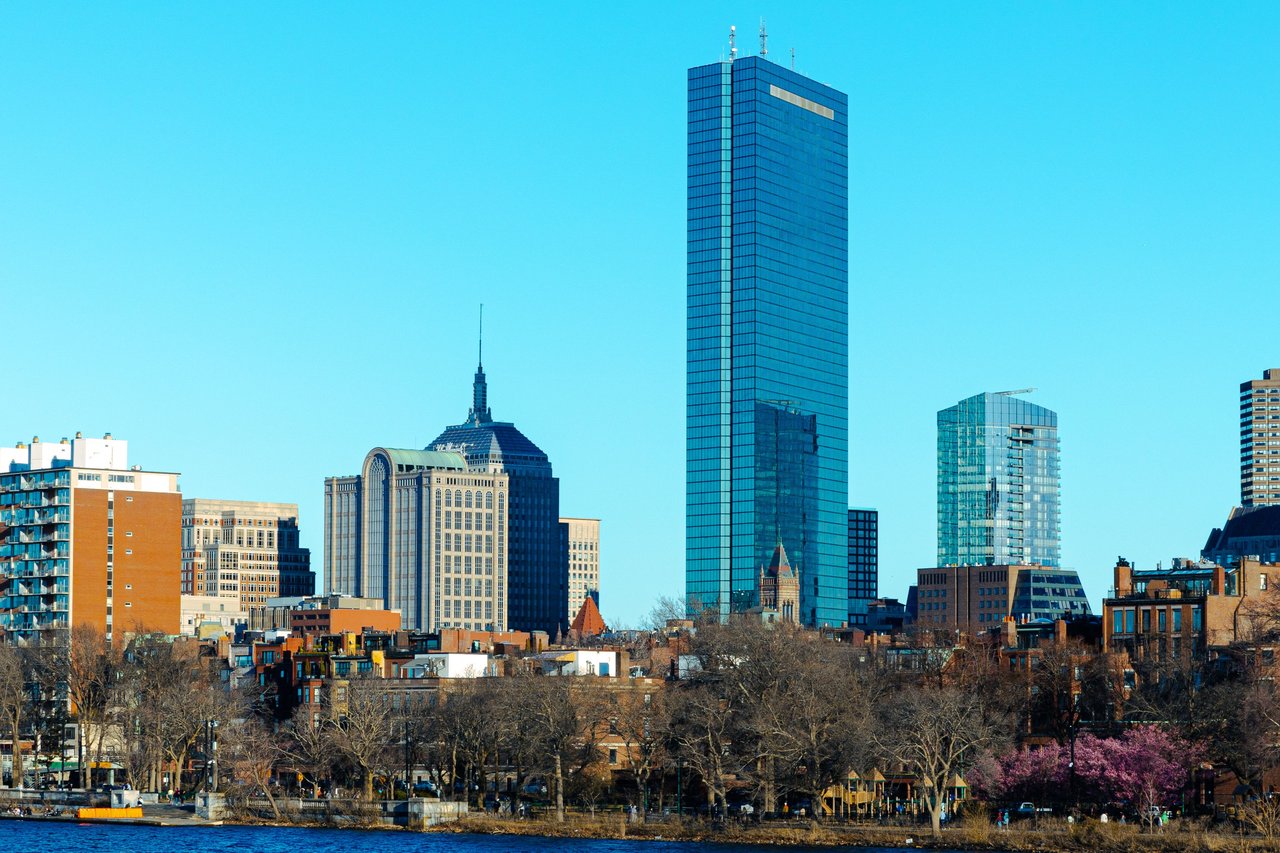
Boston’s 2026 initiatives focus on eviction prevention and tenant education. The city requires landlords to offer mediation before eviction filings and funds tenant resource centers citywide. Boston also passed a law mandating landlords to provide itemized receipts for all rent payments and fees, increasing transparency. These combined efforts enhance renter security and reduce disputes, making Boston a renter-friendly hotspot in New England.
7. Austin, Texas

Austin broke new ground in 2026 by passing legislation that limits rent hikes to 5% annually and bans evictions without court orders. The city also requires landlords to give tenants a chance to cure lease violations before eviction proceedings start. Additionally, Austin launched a robust renter protection hotline, staffed with legal experts to assist tenants. These measures have helped balance Austin’s rapidly growing rental market with renter protections.
Across the country, these seven cities are setting new standards for renter rights in 2026. Whether through rent control, eviction protections, or tenant support programs, renters are gaining much-needed leverage, signaling a shift toward more equitable housing markets nationwide.