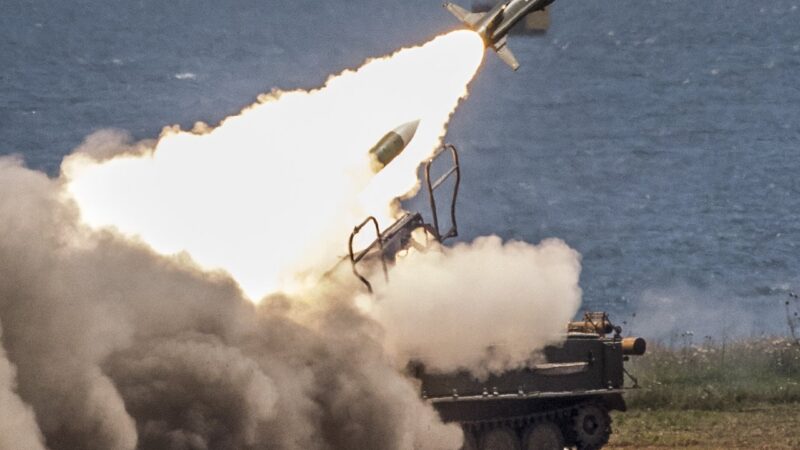
US Affirms Strait of Hormuz Open Amid Escalating Strikes with Iran
The US insists the Strait of Hormuz remains open despite Iran’s closure claim amid renewed missile and drone attacks.
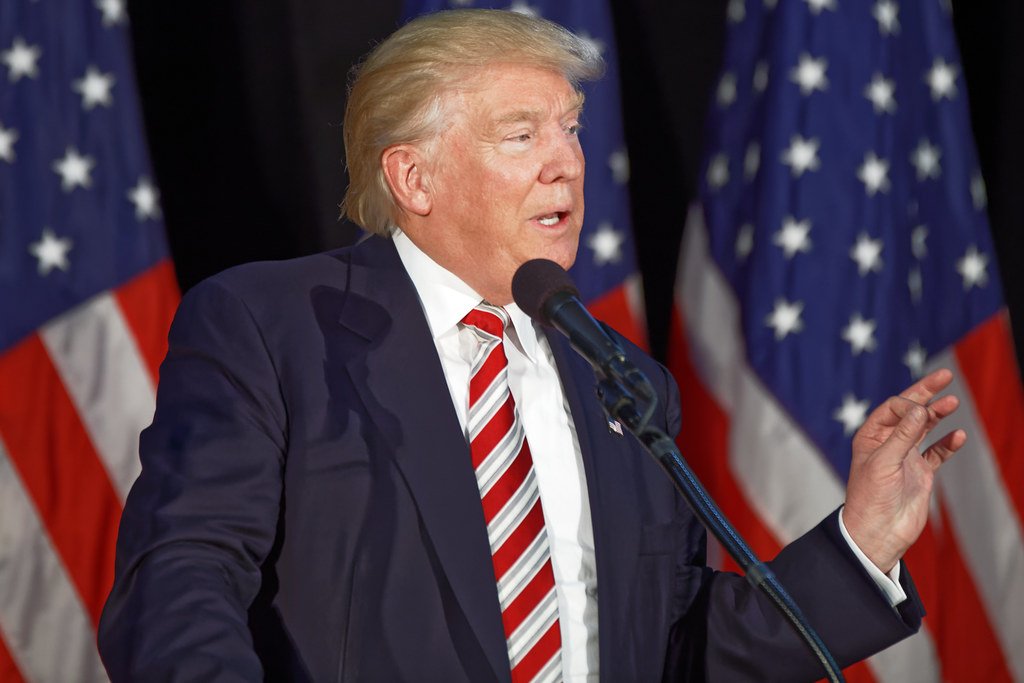
Michael Vadon/Flickr
The United States maintains that the Strait of Hormuz remains open despite Iran’s declaration that it has closed the vital waterway amid escalating military strikes. The renewed hostilities between the two nations intensified over the weekend, with both sides exchanging missile and drone attacks across the Gulf region, jeopardizing an interim ceasefire agreement aimed at stabilizing the area.
Renewed Attacks and Waterway Closure Claims
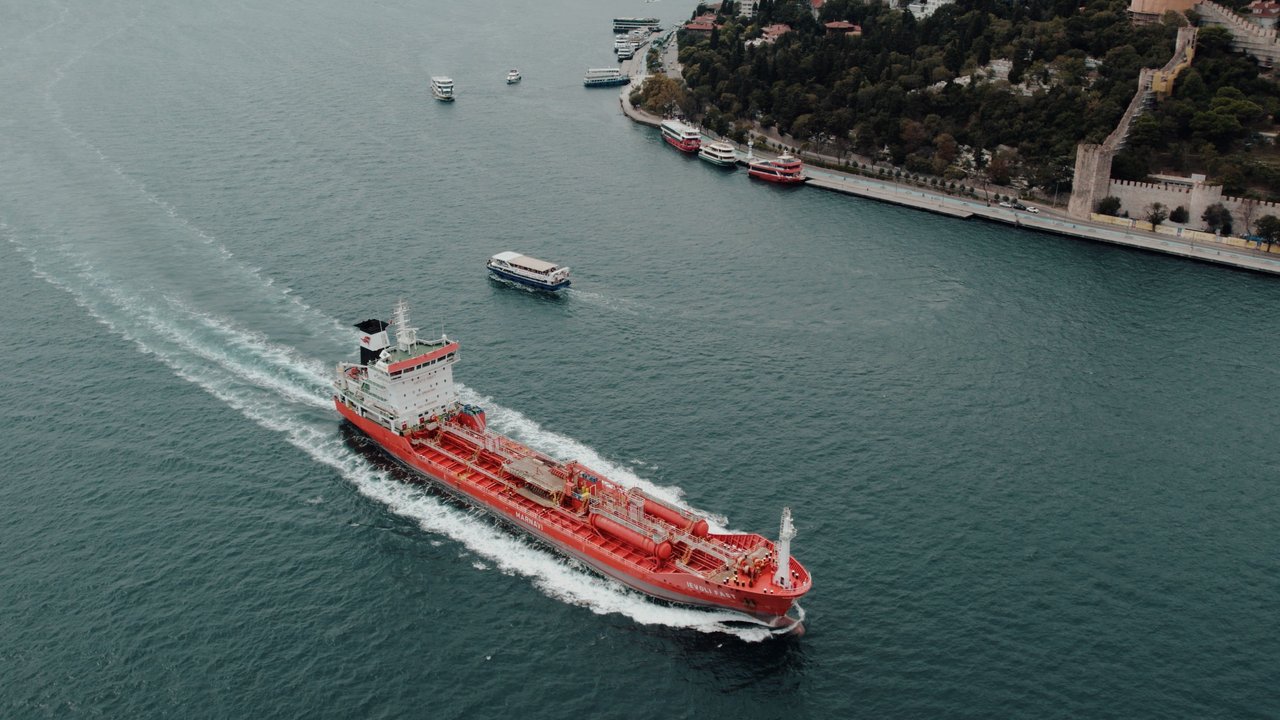
Hostilities reignited this week after Iran’s Islamic Revolutionary Guard Corps (IRGC) targeted a commercial vessel passing through the Strait of Hormuz, accusing it of navigating an unapproved route. The US Central Command (Centcom) confirmed that the Cyprus-flagged MV GFS Galaxy sustained damage from a naval cruise missile strike, forcing its crew to abandon ship amid an ongoing search for a missing crew member.
In response, the US launched strikes on more than 140 Iranian military targets, including missile launch sites, drone bases, communication networks, and coastal surveillance installations. On Sunday, Iran declared the Strait of Hormuz closed until further notice, escalating tensions in a region critical for global oil shipments.
Regional Impact and Expanded Iranian Retaliation
Iran’s IRGC expanded its attacks beyond the immediate waterway, targeting US bases and allies throughout the region. Among the reported strikes was an attack on the Prince Hassan Air Base in Jordan, which Iran claims destroyed command centers and drone facilities. Meanwhile, Gulf states including the United Arab Emirates, Qatar, Kuwait, Oman, and Bahrain reported responding to Iranian missile and drone assaults.
These attacks mark a significant escalation, breaking a relative lull for Qatar and the UAE, who had not experienced such attacks since April and May respectively. Iran also highlighted an attempted missile strike by opposing forces targeting Qeshm Island, a strategic Gulf location home to an important IRGC base.
Ceasefire Agreement in Jeopardy
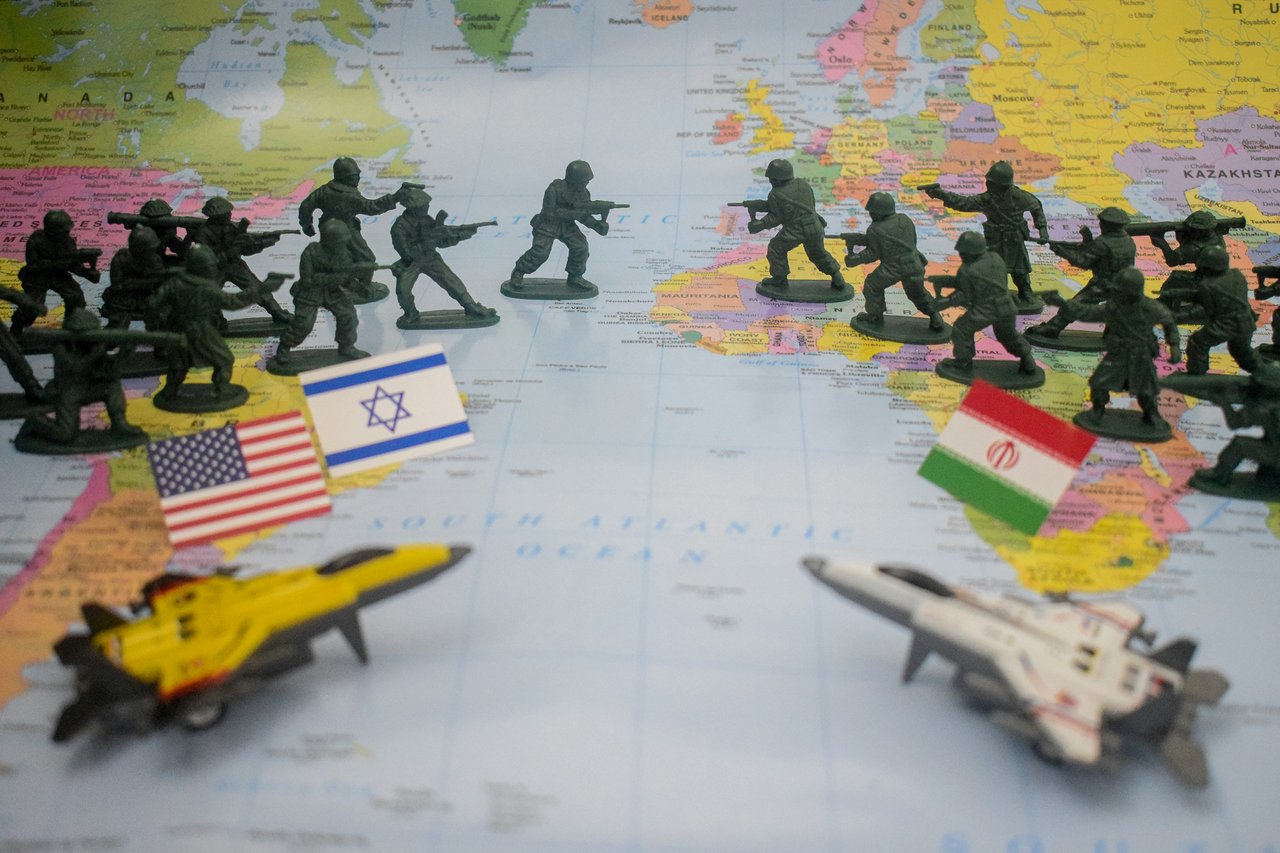
Renewed violence has cast doubt on an interim ceasefire agreement signed last month intended to reopen the Strait of Hormuz and pave the way toward a permanent conflict resolution. US President Donald Trump declared the ceasefire effectively over after Iranian attacks earlier in the week, while Iran’s Foreign Minister Abbas Araghchi accused the US of violating the deal.
Despite the escalation, both sides have indicated a willingness to continue diplomatic talks, with mediators, including Qatar, striving to revive the ceasefire process. Reports from US media suggest Iran described some earlier attacks on commercial vessels as mistakes caused by rogue elements within its military structure.
US Military and Diplomatic Response
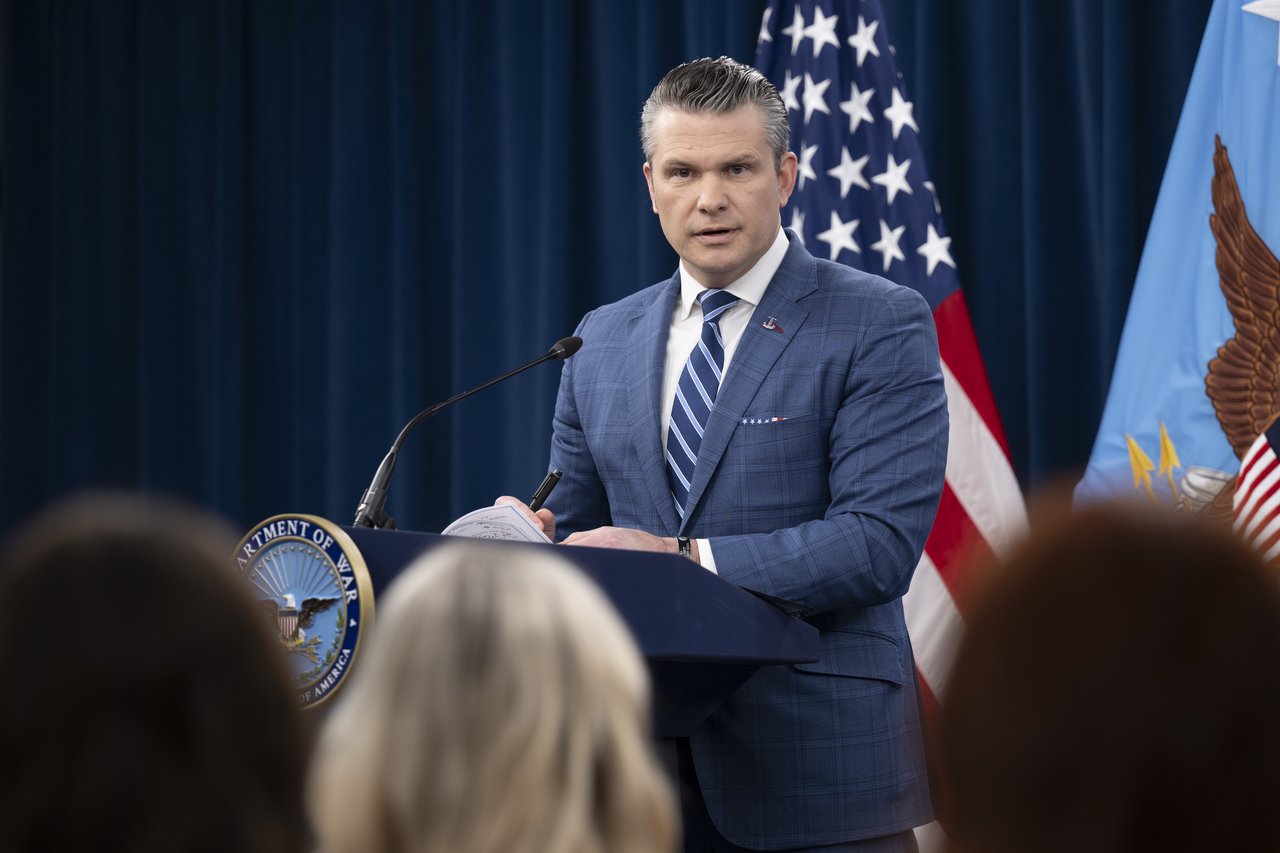
The US Department of Defense, through Secretary Pete Hegseth, condemned Iran’s actions, declaring, “Iran made a poor choice. Now they pay.” Centcom reiterated its commitment to keeping the Strait of Hormuz open and free for international navigation, warning that US forces remain poised to respond to any threats in the vital corridor.
Meanwhile, Iran’s parliamentary speaker and chief negotiator Mohammad Bagher Ghalibaf issued a stern warning on social media, signaling a hardening stance: “The era of one-sided deals is OVER. We told you: keep your word or pay the price. Reality is knocking.” As diplomatic negotiations continue amid ongoing conflict, the risk of further escalation remains high.
The situation around the Strait of Hormuz remains volatile, with the potential to impact global energy markets and regional security. Observers continue to monitor developments closely as the US and Iran navigate this dangerous standoff.