U.S. Military Pushes Back Against Defense Secretary Hegseth Over Iran War Risks
Top U.S. military officials warn Defense Secretary Pete Hegseth that extending the Iran war threatens national security and strains military resources.
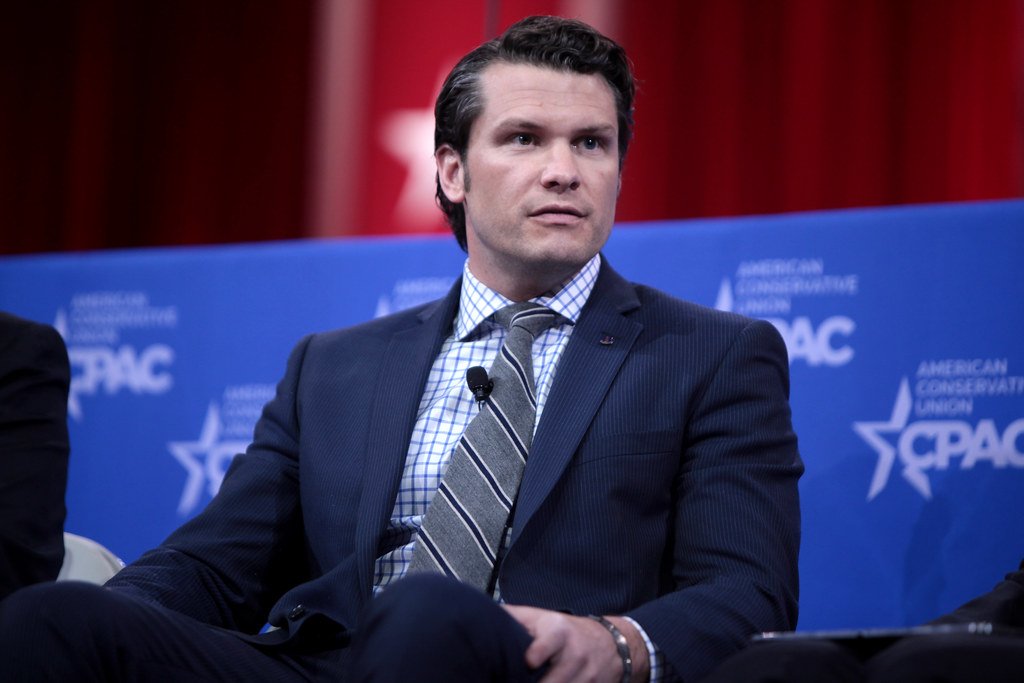
Gage Skidmore/Flickr
U.S. military leaders have expressed serious concerns to Defense Secretary Pete Hegseth about the escalating risks posed by the ongoing war in Iran, according to a report published this week. As the conflict surpasses six months, senior Army, Navy, and Air Force commanders warn that continuing President Donald Trump’s military campaign could jeopardize homeland security and overstretch U.S. forces deployed abroad.
Growing Frustration Among Military Leadership
Sources familiar with the situation told the Washington Post that multiple four-star generals and admirals conveyed their unease to Hegseth in the August 14 Secretary of Defense Orders Book. The military leadership described the Iran operation as “too much for too long,” highlighting their growing discomfort with ongoing demands for troops and equipment. Some commanders were unusually candid in opposing orders to maintain current force levels amid uncertain prospects for the conflict’s resolution.
These warnings underscore a widening rift between military planners and civilian defense leadership, with generals and admirals urging a reassessment of strategy before the situation worsens. The concerns stem not only from operational challenges but also from the broader implications of keeping tens of thousands of troops on high alert for an indefinite period.
Impact of Prolonged Deployment on U.S. Forces
The report details that U.S. Central Command, responsible for managing the Iran war, currently has around 50,000 troops on standby across the Middle East. Due to President Trump’s push to reopen the strategic Strait of Hormuz, military readiness must be maintained at a high level, forcing some units to extend deployments through September and others into 2027.
This extended deployment cycle is taxing military resources, particularly for the Navy, which has reported strained capacity amid wartime demands. Losses of ships, aircraft, and equipment in the conflict have also hampered operations across Europe, Asia, and Latin America, limiting the military’s global mission capabilities.
Such attrition and overextension have fueled concerns among commanders that continuing the conflict without a clear endgame could degrade overall military readiness and increase risks to U.S. forces and homeland security.
Strategic Dilemma Facing the Trump Administration
The internal military warnings reveal the difficult position President Trump and Secretary Hegseth face as they seek to conclude the Iran war favorably. Iran remains defiant, aware of the war’s unpopularity among the American public and the escalating toll on U.S. military assets. The stalemate complicates efforts to negotiate an end to hostilities on terms advantageous to the United States.
Compounding the challenge, reports indicate that Hegseth is being sidelined within the administration, with President Trump reportedly turning to other Cabinet members on Iran policy decisions. This shift suggests growing frustration at the Pentagon and the White House over the conflict’s trajectory and management.
The military’s blunt message to Hegseth highlights the urgent need for a reassessment of U.S. strategy in the region and a search for viable diplomatic solutions to avoid further escalation and risk.
Broader Implications for U.S. Military and National Security
The ongoing Iran conflict’s strain on military resources carries significant implications beyond the immediate theater of operations. The deployment of tens of thousands of troops for an extended period limits the U.S. military’s flexibility to respond to emerging threats globally. Equipment losses and operational fatigue further erode readiness across multiple commands.
Military leaders warn that maintaining the current course risks overextension and could embolden adversaries by signaling potential vulnerabilities. The situation underscores the delicate balance between demonstrating strength abroad and preserving capability at home.
As the White House weighs next steps, the Pentagon’s concerns represent a critical voice advocating for a strategic pivot or de-escalation to protect national security interests.
The military’s growing opposition to Defense Secretary Pete Hegseth’s Iran war policies marks a pivotal moment in the conflict’s evolution, emphasizing the mounting costs and risks of prolonged engagement. How the Trump administration responds to these warnings will shape the future of U.S. defense posture and regional stability.