Trump Declares Iran Ceasefire ‘Over’ After Intense US Strikes
Following renewed US-Iran clashes, Trump calls off ceasefire, accusing Tehran of betrayal amid escalating Middle East tensions.
Michael Vadon/Flickr
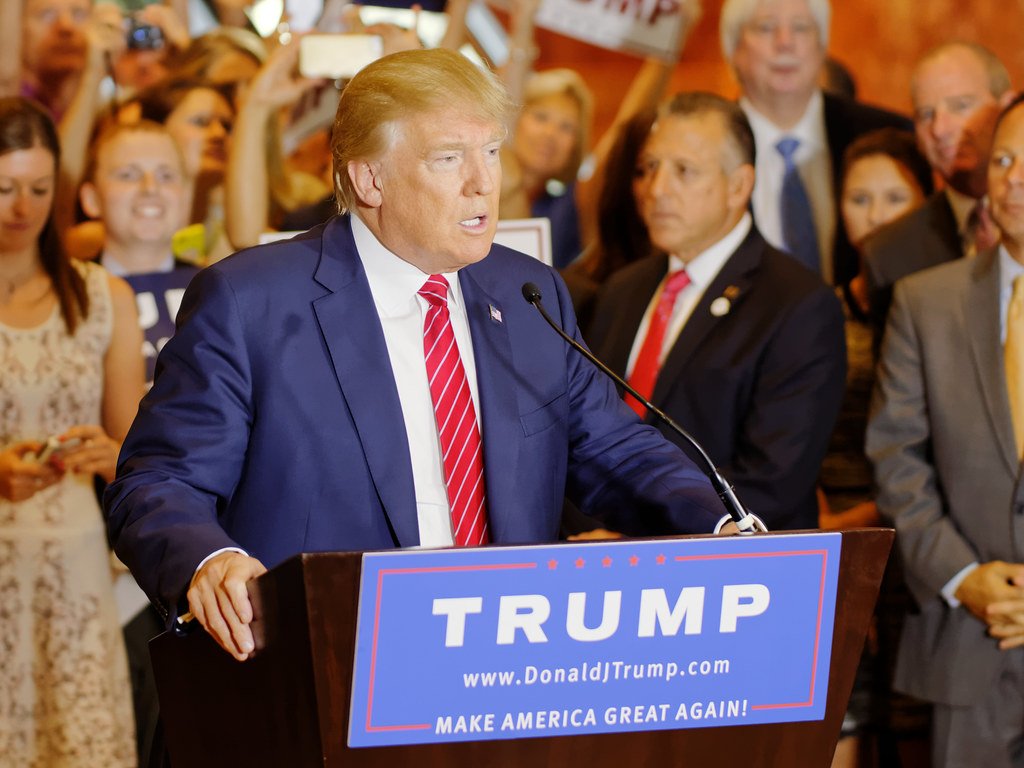
President Donald Trump announced the end of the ceasefire agreement with Iran on July 8, 2026, following a series of intense military exchanges between the two nations. Speaking at a NATO summit in Turkey, Trump criticized Iran’s leadership and confirmed the United States launched powerful strikes overnight, signaling a dramatic escalation in tensions that have simmered since the memorandum of understanding (MoU) was signed in mid-June.
Breakdown of the Ceasefire Agreement and Recent Violations
The ceasefire deal, signed on June 17, 2026, was designed to halt hostilities for 60 days while diplomatic negotiations continued. The 14-point MoU outlined terms including a cessation of military operations, safe passage for commercial vessels through the Strait of Hormuz, and the temporary lifting of some US sanctions on Iranian oil exports. However, the agreement unraveled amid mutual accusations of violations.
On the night of July 7 into July 8, the worst exchanges of fire since the agreement took place. The US Central Command reported launching “powerful” retaliatory strikes targeting Iranian military sites in Bandar Abbas and Bushehr after attacks on three tankers in the strategically vital Strait of Hormuz. Iranian state media confirmed eight fatalities among its military personnel. Iran quickly responded with missile strikes on US military bases in Bahrain and Kuwait.
Trump’s Harsh Condemnation and Stance on Future Talks
At the NATO summit, Trump expressed deep frustration with the Iranian leadership, calling them “scum,” “cuckoo,” and “sick people.” He accused Tehran of consistently lying and cheating, undermining the ceasefire and diplomatic process. “I think it’s over,” Trump declared, signaling his unwillingness to pursue further negotiations. Though he allowed US negotiators to continue talks “if they want,” he dismissed such efforts as “a waste of time.” Despite his harsh rhetoric, Trump stated he did not anticipate a prolonged conflict, suggesting any new clashes would be brief.
The president also announced the revocation of the temporary suspension on sanctions related to Iranian oil sales, further tightening economic pressure on Tehran amid the renewed hostilities.
Iran’s Response and Regional Repercussions
Iran’s officials responded firmly to Trump’s comments and military actions. Foreign Minister Abbas Araghchi posted on X that Iran would not respond with vulgarity but with “fearless action and great valour.” Senior adviser to Supreme Leader Ali Akbar Velayati warned of immediate retaliation against further US strikes. Deputy Foreign Minister Kazem Gharibabadi dismissed Trump’s threats as signs of policy failure, emphasizing Iran’s resilience against sanctions and military pressure.
Mohammad Bagher Ghalibaf, Iran’s parliamentary speaker and chief US negotiator, condemned the US strikes as violations of the MoU, particularly regarding sanctions on oil sales and freedom of navigation in the Strait of Hormuz. He declared, “The era of bullying and extortion is over. It leads nowhere. We don’t fold.” Meanwhile, NATO Secretary General Mark Rutte called the US strikes “absolutely necessary,” accusing Iran of breaching the ceasefire terms.
Current Military Presence and Ongoing Risks in the Middle East
The US Navy has maintained a strong presence in the region, with over 20 warships patrolling the Middle Eastern waters as of July 8, 2026. These deployments aim to secure commercial shipping lanes and deter further Iranian aggression. Oil markets reacted to the latest developments with price increases, though they remain below peaks seen during prior Strait of Hormuz closures.
The renewed violence comes after a series of attacks and counterstrikes since late June, including US retaliation for Iranian projectiles hitting cargo ships and tankers. The underlying tensions and unresolved disputes cast uncertainty over the prospects for lasting peace and stability in the region.
While both sides have paused negotiations during recent funerary ceremonies for the late Ayatollah Ali Khamenei, the future of diplomatic talks remains unclear amid the latest flare-up. President Trump’s blunt dismissal of the ceasefire and Iran’s defiant responses suggest the path ahead will be fraught with challenges and potential further conflict.