UN Approves Equal Earth Map 164-1 as US Opposes Over ‘Ideological’ Concerns
The UN General Assembly adopts the Equal Earth map 164-1, with the US opposing the move as a ‘radical ideological project.’
Uploaded image
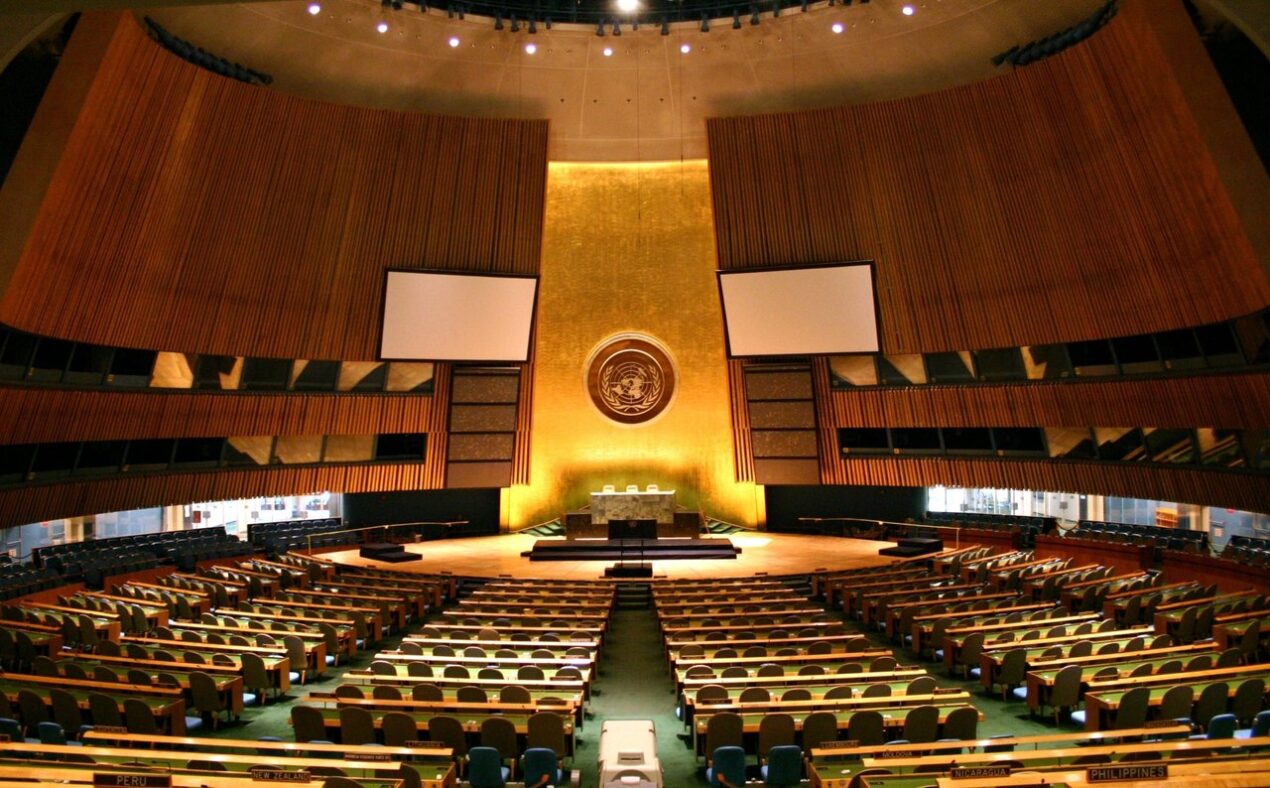
The United Nations General Assembly voted 164-1 on September 4, 2026, to adopt the Equal Earth map projection as the official UN-backed world map, marking a significant shift toward representing continents in their true relative sizes. The United States was the sole nation to oppose the resolution, citing concerns that the measure was part of a broader ideological agenda rather than a neutral cartographic update.
What the Equal Earth Map Represents
The Equal Earth map presents a more accurate depiction of the world’s landmasses, correcting distortions common to traditional maps like the Mercator projection. Developed to reflect continents and countries in their true proportional areas, the map notably enlarges Africa’s size relative to Europe and Greenland, which are often exaggerated in older map styles. This adjustment aims to provide a fairer perspective on geography, which advocates say can influence global understanding and respect.
The Mercator projection, created in 1569 for maritime navigation, has remained widely used despite its distortion of landmass sizes, particularly increasing the apparent size of countries near the poles while shrinking those near the equator. The Equal Earth map seeks to address these longstanding inaccuracies without requiring a complete abandonment of Mercator maps in navigation or digital platforms.
US Opposition and Political Context
During the 114th plenary meeting of the UN General Assembly’s 80th session, Yaryna Ferencevych, the deputy U.S. representative to the UN Economic and Social Council, voiced strong opposition to the resolution. She described the effort as “an anodyne attempt to update cartographic proportions” masking what she called a “much larger and more radical ideological project.” Ferencevych argued that the debate distracted from “genuine problems of international peace, prosperity or good relations” and accused the resolution of promoting “reparations and cognitive justice” agendas that undermine the UN’s credibility.
The Trump administration, which has been consistent in rejecting certain UN initiatives it views as politically motivated, reinforced this stance by framing the resolution within a broader skepticism of ideological projects at the international level.
African and Caribbean Leaders Welcome the Change
Representatives from African nations led the push for the Equal Earth map, emphasizing the importance of accurate representation in global discourse. Togo’s Foreign Minister Robert Dussey, speaking on behalf of the African Group, highlighted that adopting the map would “promote projections that better preserve the true proportions of continents.” He added, “A fair map does not change the geography of the world; it changes how we see the world.”
This perspective aligns with broader calls from African and Caribbean leaders for recognition of historical injustices, including demands for reparations, debt cancellation, and formal apologies related to the legacy of slavery and colonialism. The map’s adoption is seen by supporters as a step toward greater understanding, respect, and equitable treatment among nations.
Global Impact and Future of Map Projections
While the resolution does not mandate the replacement of Mercator maps globally, it establishes the UN’s preference for equal-area projections like Equal Earth in official use. This endorsement could influence educational materials, international publications, and how governments present geographic information.
The Mercator projection experienced a resurgence in the 21st century, largely due to the adoption of Web Mercator by Google Maps and other online mapping platforms, favored for its smooth interactivity and navigation. However, cartographers have criticized its distortions for decades, and the Equal Earth map offers a modern alternative balancing accuracy with visual appeal.
The near-unanimous vote, with just six abstentions from Estonia, Georgia, Lithuania, Moldova, Serbia, and Ukraine, signals broad international acceptance. The United States remains isolated in its opposition, reflecting continuing tensions over the role of ideology and historical narratives in global governance.
The UN’s endorsement of the Equal Earth map represents a milestone in how the world visualizes itself, promoting geographic fairness amid complex political debates. Whether this shift will lead to widespread changes in mapping practices remains to be seen, but it undeniably challenges long-held perceptions shaped by centuries-old cartographic conventions.