Experts Debunk Trump’s Claims Linking Democrats to Communism Ahead of 2026 Midterms
Political experts reject Trump’s claims equating Democrats with communism, calling the rhetoric misleading as midterms heat up.
Michael Vadon/Flickr
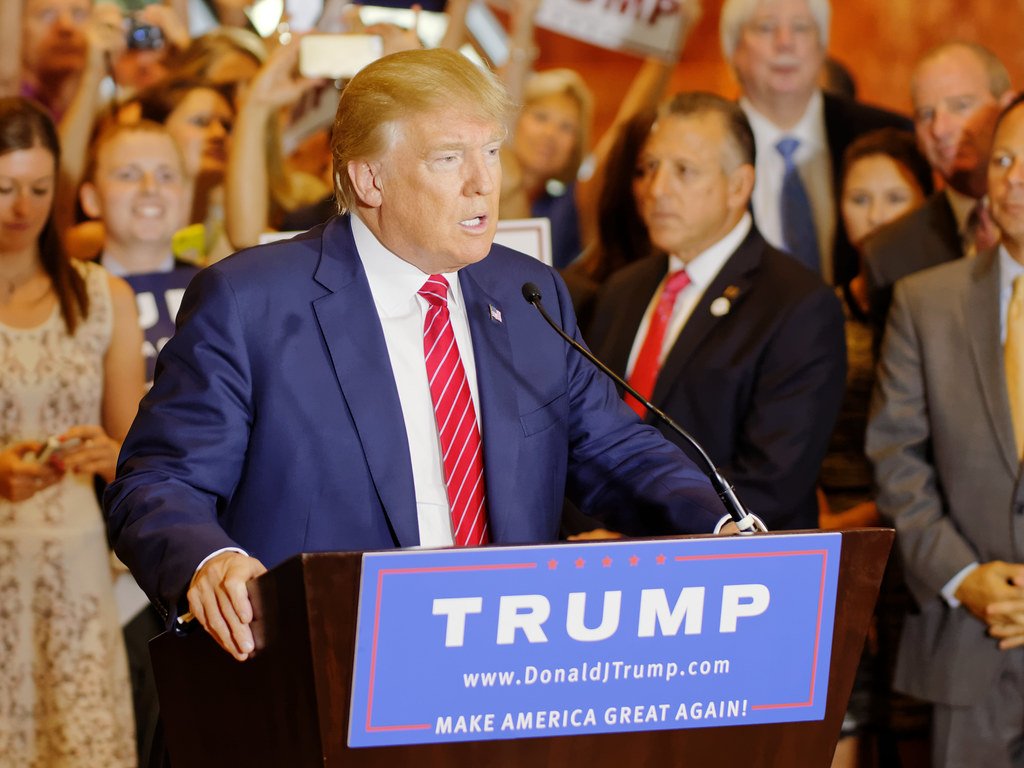
As the 2026 midterm elections approach, political rhetoric is heating up with former President Donald Trump repeatedly branding Democrats as “hard core, godless Communists.” However, experts and historians are pushing back against these claims, saying the comparisons are inaccurate and misrepresent both the Democratic Party and the current communist movement in the United States.
Trump’s Rhetoric and the National Political Climate
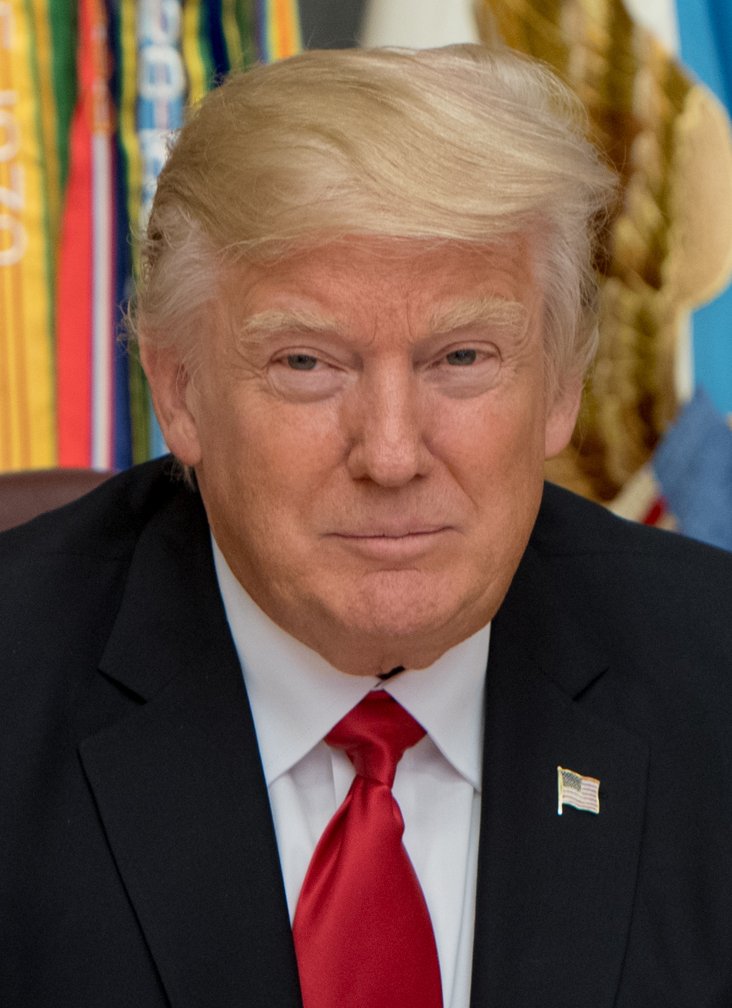
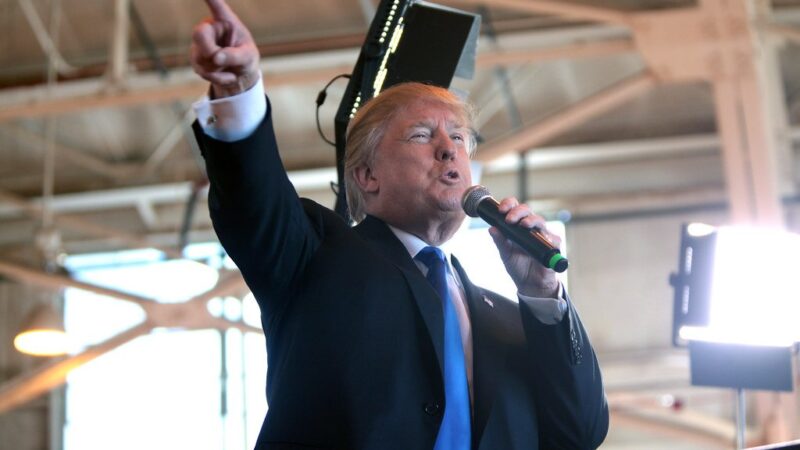
Donald Trump made headlines in late June and early July 2026 by asserting that Democrats pose a communist threat if they win control of Congress. At the Faith & Freedom Coalition policy conference in Washington on June 26 and during a visit to the Theodore Roosevelt Presidential Library in North Dakota on July 1, Trump described Democrats as “hard core, godless Communists.” These remarks have been widely circulated and scrutinized by media outlets, including a fact check by the Associated Press published on July 3.
The timing of these statements aligns with a Republican push to sharpen messaging ahead of the midterms, aiming to paint Democrats as moving too far left ideologically. With several democratic socialist candidates winning primary contests earlier this year, Republicans see an opportunity to frame the broader Democratic Party with harsher left-wing labels.
Experts Challenge the Accuracy of Communist Comparisons
Scholars specializing in American political history and communism have strongly disputed Trump’s characterizations. Marc Selverstone, director of presidential studies at the University of Virginia’s Miller Center, emphasized that no major Democratic figures identify as communists. Likewise, Harvey Klehr, professor emeritus at Emory University and a noted expert on American communism, noted that while some Democrats embrace progressive or democratic socialist ideas, they do not consider themselves members of the Communist Party USA.
In fact, the Communist Party USA remains marginal in American politics, with no openly communist candidate ever elected to state or federal office. Experts affirm that democratic socialism, which some Democrats support, fundamentally differs from communism in its acceptance of market economies and private property.
Distinguishing Democratic Socialism from Communism

One key point highlighted by the Associated Press and Reuters is the difference between democratic socialism and communism. Democratic socialists advocate for policies such as universal healthcare, stronger social safety nets, progressive taxation, and stricter corporate regulations—all within a market-based system. These positions contrast with core communist doctrines, which call for abolishing private property and implementing centralized economic planning.
Two recent primary winners often cited in the debate—Darializa Avila Chevalier of New York City and Graham Platner of Maine—have publicly identified as democratic socialists, not communists. Both have faced scrutiny over past statements, but their own clarifications reinforce the distinction between their platforms and communist ideology.
Political Strategy and the Impact on Voters

While Trump and other Republicans have amplified this rhetoric nationally, it remains unclear whether there is a coordinated, state-by-state strategy to brand Democrats as communists across all races. Neither the White House nor the Republican National Committee has released a comprehensive plan outlining the use of this messaging in specific districts or states.
For voters, this means that the impact of these attacks will vary. In some areas, the communist label might be applied narrowly to individual progressive candidates, whereas in others, it might be more broadly used against Democratic candidates regardless of their actual political positions.
White House spokeswoman Olivia Wales has reinforced the administration’s stance by calling Democrats’ “embrace of socialism and communism” an existential threat, signaling intent to continue employing this rhetoric as part of the midterm campaign strategy.
Historical Context of Anti-Communist Rhetoric
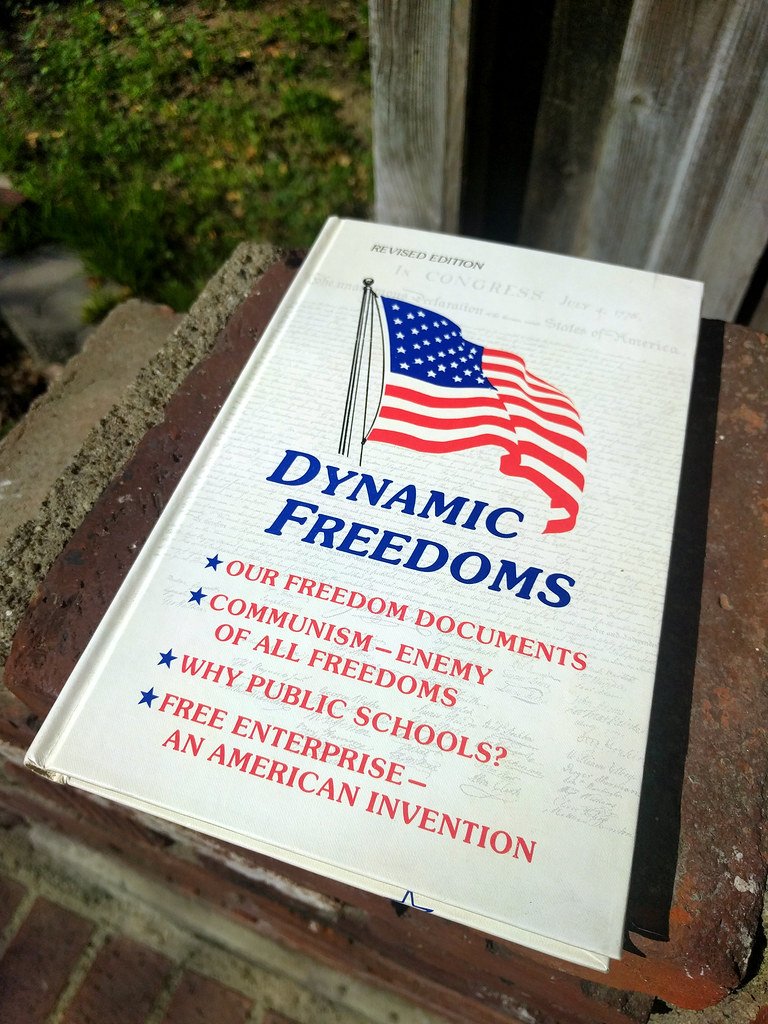
Historians note that framing political opponents as communists or “godless” enemies has a long legacy in American politics. Maurice Isserman, a professor at Hamilton College and expert on American communism, linked Trump’s rhetoric to tactics dating back to the McCarthy era of the 1950s, when Senator Joseph McCarthy led aggressive anti-communist campaigns. The historical echoes extend to figures like Roy Cohn, whose mentorship influenced Trump’s political style.
This pattern of invoking communism as a political weapon serves to rally conservative bases and create stark ideological divides during election seasons. As the 2026 midterms progress, residents of Wayne, Duplin, and surrounding North Carolina counties should expect to hear more of this charged language.
Ultimately, while the rhetoric may intensify, experts agree there is no substantive evidence supporting claims that the Democratic Party is communist. Voters should approach such assertions critically and consider the nuanced differences within American political ideologies as they evaluate candidates this election season.