Epstein Files Deadline Looms as Trump DOJ Struggles with Transparency
With Congress’s deadline passed, the Trump DOJ faces mounting pressure to fully release Epstein files and explain delays.
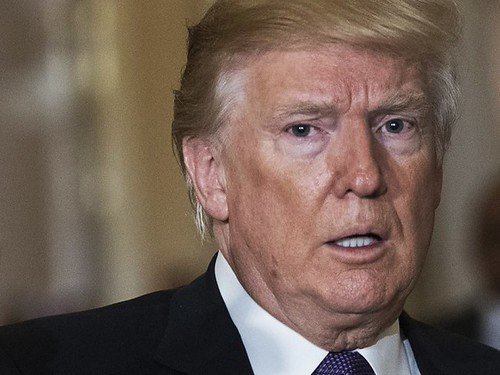
nordique/Flickr
The Justice Department under President Donald Trump is grappling with mounting scrutiny after missing the December 19, 2026 deadline mandated by Congress to release records related to Jeffrey Epstein. The Epstein Files Transparency Act, signed into law earlier this year, was designed to force the federal government to disclose key documents tied to Epstein’s sex trafficking investigations. Yet, as 2026 progresses, only a fraction of the files have been made public, fueling criticism and skepticism about the administration’s commitment to transparency.
Congress Sets the Epstein Files Deadline
In response to years of public outrage and bipartisan pressure, lawmakers passed the Epstein Files Transparency Act in early 2026. This legislation required the Justice Department to publish all Epstein-related investigative files by December 19, 2026, aiming to shed light on the shadowy network surrounding the disgraced financier. President Trump signed the act, signaling a promise of openness. However, the deadline has come and gone with the department releasing only partial information, citing legal and privacy concerns.
Congressional leaders issued subpoenas and pushed for full disclosure, highlighting the files’ significance in exposing potential lapses and connections among powerful figures. This legal mandate narrowed the department’s ability to withhold documents indefinitely, yet the Trump DOJ has struggled to meet the expectations set by lawmakers and the public.
Justice Department’s Excuses Draw Legal Criticism
The administration’s explanations for the delay have drawn sharp rebukes from legal experts who characterize the department’s rationale as weak or “embarrassing.” The DOJ points to the complexity of reviewing decades-old records, protecting victim identities, and redacting sensitive information as reasons for the slow pace. While these reasons hold procedural merit, critics argue they fall short of justifying the extent of the delay given the statutory deadline.
Experts emphasize that the public’s trust hinges on the government’s ability to follow through on transparency promises. The failure to meet the deadline undermines confidence in the process and fuels speculation about what remains hidden. Legal analysts warn that vague justifications add to the perception of a coverup, especially when the files contain names and details connected to high-profile individuals.
Why the Epstein Files Matter More Than Ever
Jeffrey Epstein’s case continues to captivate and alarm the public due to the gravity of the allegations and the powerful connections implicated. Epstein died by suicide in federal custody in 2019 while awaiting trial on federal sex trafficking charges. Prior to that, he had pleaded guilty in Florida to state prostitution offenses involving minors. The files hold potential clues about how Epstein’s network operated and who may have been involved or complicit.
Every delay in releasing the documents extends the shadow cast over the investigation. The public demands clarity on how justice was pursued and why previous investigations appeared inadequate. The files’ release could address lingering questions about accountability and the role of influential individuals who have long escaped scrutiny.
The Challenge of Balancing Transparency and Privacy
Despite the demand for openness, the Justice Department faces a complicated task in balancing transparency with legal protections. Epstein-related documents often contain sensitive information about victims, witnesses, and uncharged parties. Releasing such details without redactions could cause harm or violate privacy rights.
The department insists that redactions are necessary to prevent jeopardizing ongoing investigations, protect innocent individuals, and comply with grand jury secrecy rules. However, the public and lawmakers stress that excessive redactions risk obscuring the truth and perpetuating distrust. Finding the right balance remains an ongoing challenge for the Trump DOJ.
The Political Stakes and Future Enforcement
The Epstein files controversy transcends simple record-keeping disputes, becoming a litmus test for the Trump administration’s transparency and accountability. Because Epstein’s associations cross party lines, the issue has united lawmakers in demanding answers. The missed deadline raises questions about whether Congress’s transparency laws have sufficient enforcement mechanisms to compel compliance in high-profile cases.
Observers note that if the Justice Department can sidestep the Epstein Files Transparency Act’s requirements, it sets a troubling precedent for future demands for federal records disclosure. Congress may need to consider stronger oversight or penalties to ensure government agencies adhere to transparency laws.
As the Trump DOJ continues to grapple with the Epstein files, the public remains watchful, eager for a fuller picture of one of the most scrutinized criminal investigations in recent history. The clock is ticking, and the administration’s ability to meet its obligations will have lasting implications for public trust in the justice system.