Is America More Divided Than Ever? What July 4th 2026 Revealed
This July 4th revealed deep divides and surprising unity across the nation. What does it say about America in 2026?
Polina Zimmerman/Pexels
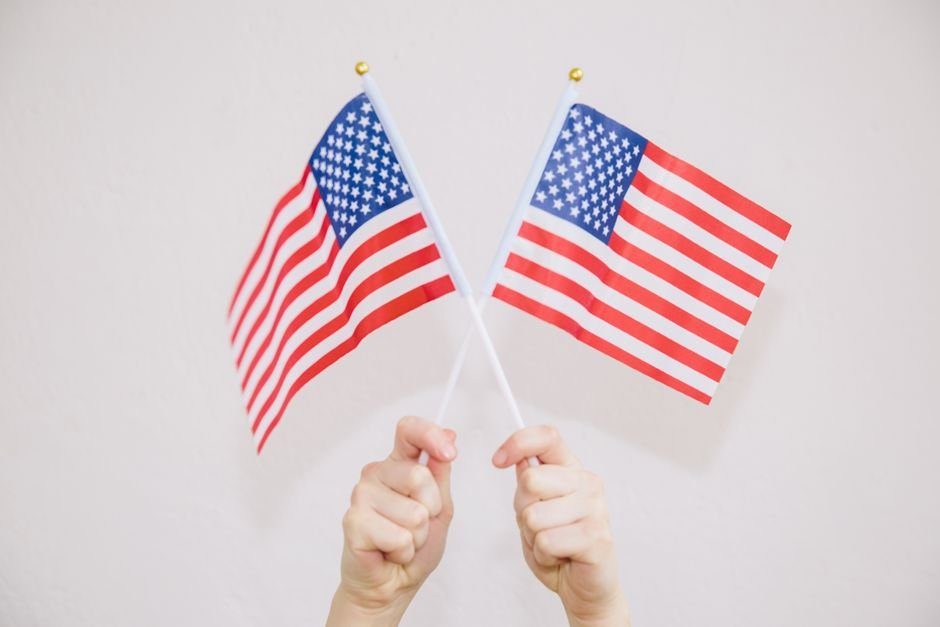
As fireworks lit up the sky on July 4th, 2026, Americans across the country celebrated Independence Day amid a backdrop of heightened political polarization and social tension. This year’s festivities offered a unique lens into the state of American unity — or division — with public gatherings, speeches, and social media conversations revealing a nation grappling with both stark differences and unexpected moments of common ground.
Signs of Deepening Political and Social Divides
Multiple cities witnessed protests and counter-protests during their July 4th events, underscoring the widening chasm between ideological groups. According to a recent Pew Research Center poll conducted in June 2026, 68% of Americans feel the country is more divided now than at any point in recent history. Issues such as voting rights, immigration policy, and economic inequality were prominently featured in public discourse. In places like Washington, D.C., and Portland, Oregon, demonstrations highlighted frustrations over government accountability and social justice.
Social media platforms saw an uptick in heated debates, with hashtags like #DividedNation trending throughout the holiday weekend. Experts warn that the echo chamber effect of online platforms is amplifying tensions, making it harder for Americans to find common ground even during national celebrations.
Unexpected Moments of Unity and Patriotism
Despite the tensions, many communities demonstrated resilience and an enduring patriotic spirit. In small towns across North Carolina and beyond, local July 4th parades and community picnics brought diverse groups together. In Mount Olive and neighboring Wayne County, residents gathered for fireworks displays and shared meals, emphasizing local pride and collective identity.
Notably, a spontaneous moment of unity occurred during the Philadelphia Independence Day ceremony when a diverse group of veterans from different backgrounds joined hands during the national anthem. Such instances reflect a shared commitment to the ideals of freedom and democracy, even amid political disagreements.
The Role of Media and Leadership in Shaping Division
Media coverage of July 4th events in 2026 revealed contrasting narratives, with some outlets emphasizing conflict and division while others focused on hope and reconciliation. Analysts argue that the framing of news stories plays a critical role in either deepening divides or fostering dialogue.
Political leaders’ speeches also varied widely. Some emphasized the need for bipartisan cooperation and national healing, while others took more partisan stances, highlighting the challenges ahead. The tone set by leadership on symbolic days like July 4th can influence public sentiment and either bridge or widen societal gaps.
Looking Ahead: Can America Heal Its Divides?
Experts suggest that while 2026 presents significant challenges, there are pathways toward greater unity. Community engagement, inclusive dialogue, and civic education are vital in rebuilding trust. The July 4th observations highlight both the fractures and the shared values that can serve as a foundation for healing.
Efforts at the local level, such as town halls and collaborative projects across political lines, show promise. As the nation reflects on its independence this year, many hope that the spirit of unity will grow stronger despite current divisions.
July 4th, 2026, revealed an America at a crossroads — deeply divided in some respects yet still capable of coming together in others. The challenge ahead will be harnessing those moments of unity to bridge the divides that mark this era.