Allies Snub U.S. Visits Amid ‘Mind-Boggling’ Diplomatic Collapse Under Trump
In a stunning diplomatic setback, key U.S. allies are declining official visits, marking a historic collapse under President Trump.
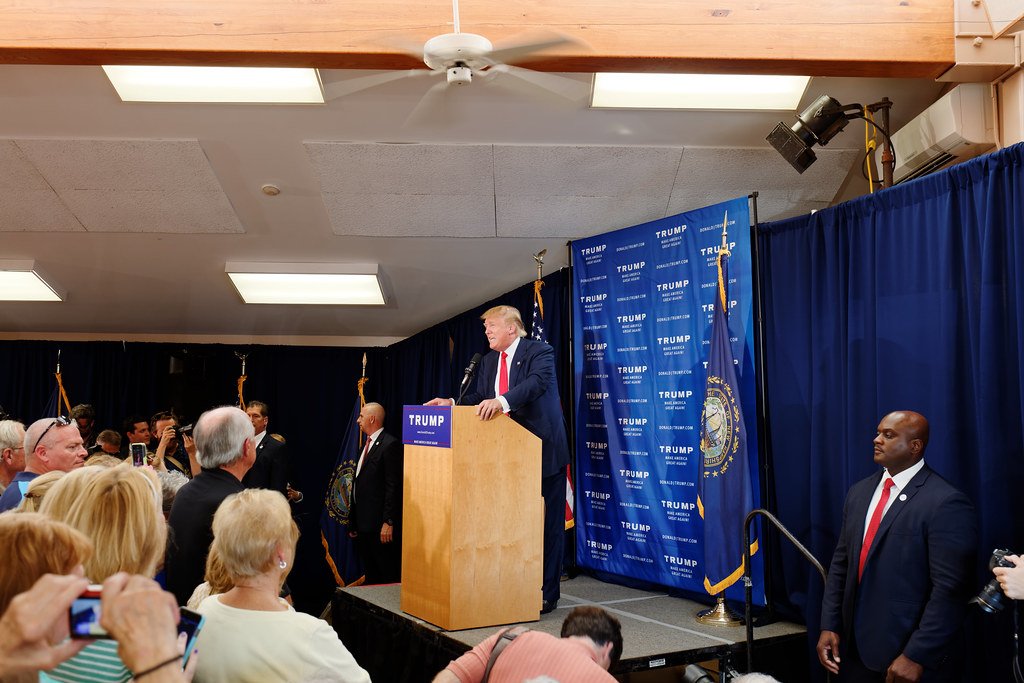
Michael Vadon/Flickr
Key U.S. allies have reportedly declined official visits to the United States, marking what foreign policy experts are calling a “mind-boggling” collapse in diplomatic relations under President Donald Trump’s second term. This unprecedented situation has raised concerns in Washington and in states like North Carolina, where international cooperation remains critical to economic and security interests. The developments, unfolding throughout 2026, highlight growing tensions that threaten the traditional alliances the U.S. has long relied upon.
Diplomatic Fallout: Allies Stay Away
Throughout 2026, multiple top allies including Canada, the United Kingdom, Germany, and Japan have either postponed or outright refused official visits to the United States. Traditionally, these visits serve as cornerstones of diplomatic dialogue, economic partnership, and joint security cooperation. Instead, leaders from these countries have cited “unresolved policy disagreements” and “uncertainties in U.S. foreign policy direction” as reasons for their absence.
White House officials have expressed frustration, describing the situation as “unprecedented in modern U.S. history.” Sources familiar with the matter confirm that the Trump administration’s aggressive trade measures, inconsistent messaging on global security, and withdrawal from key international agreements have all contributed to the erosion of trust.
Impact on North Carolina and Regional Interests
For North Carolina, a state with deep ties to international trade and military partnerships, the diplomatic chill carries tangible consequences. Ports in Wilmington and Morehead City have reported uncertainty in foreign trade flows, while military installations such as Seymour Johnson Air Force Base face challenges in coordinating multinational exercises and training programs.
Economic analysts warn that the reluctance of allies to engage could slow down foreign direct investment and complicate supply chains critical to industries in Wayne and Duplin counties, including agriculture and manufacturing.
Expert Reactions and Political Responses
International relations specialists describe the current impasse as a historic low point. Dr. Elaine Ford, a professor of political science at the University of North Carolina, called the situation “mind-boggling” given the U.S.’s previous role as a global diplomatic leader. “For trusted allies to refuse visits reflects a deep crisis in confidence,” she said.
Meanwhile, North Carolina political leaders have issued mixed responses. Some Republicans aligned with President Trump praise his “America First” policies, arguing that the U.S. must prioritize sovereignty over traditional alliances. Conversely, Democrats and moderate Republicans in the state legislature have voiced concern over the long-term damage to U.S. influence and local economies.
What’s Next for U.S. Diplomacy?
With the 2026 midterm elections approaching, questions abound about the future of U.S. foreign relations. The administration insists efforts to reengage allies are ongoing, citing recent communications aimed at rebuilding trust. However, experts warn that reversing the current diplomatic isolation will require significant policy shifts and renewed commitments to longstanding partnerships.
On the ground in North Carolina, business and military leaders alike emphasize the importance of restoring strong ties. “Our state’s prosperity and security depend on a stable, collaborative international environment,” said a regional chamber of commerce spokesperson.
As the U.S. navigates this diplomatic crisis, all eyes will be on how President Trump’s administration manages to either mend fractured relationships or face continued isolation on the global stage.