Senator Kennedy Urges Ban on Naming Buildings After Living Politicians Following Trump’s Moves
Senator Jeff Kennedy says no living politicians should have buildings named after them amid controversy over President Trump’s recent dedications.
Team New Orleans, US Army Corps of Engineers/Flickr
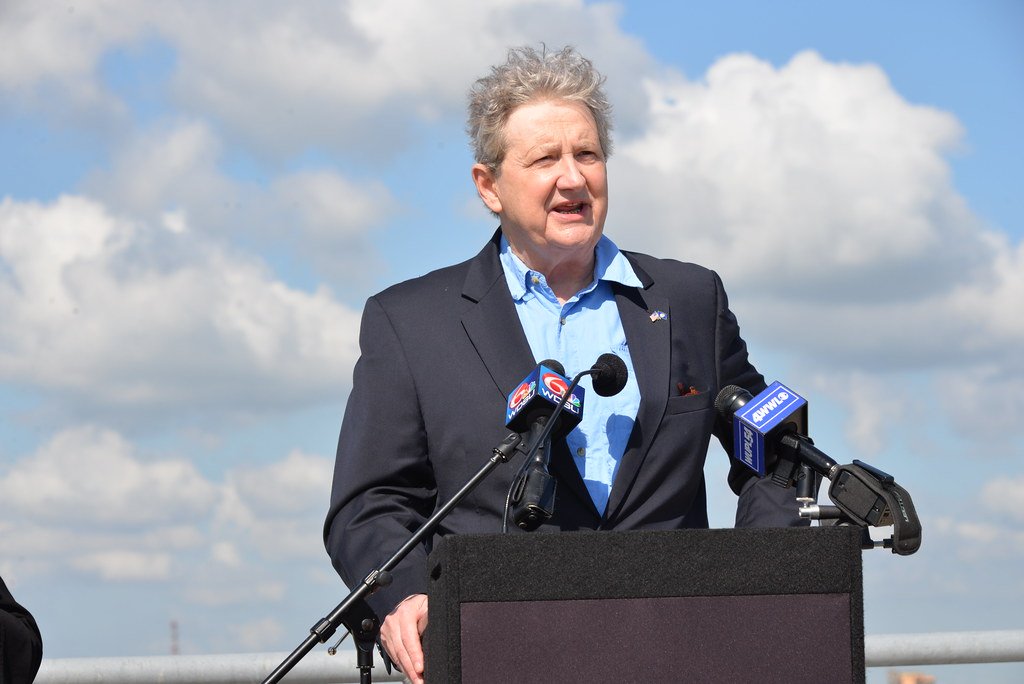
Senator Jeff Kennedy, representing North Carolina, publicly called for a policy banning the naming of public buildings after living politicians. His remarks come in response to President Donald Trump’s recent decisions to dedicate several government buildings in his own name, a move that has sparked debate nationwide.
Senator Kennedy Responds to Trump’s Building Dedications
On September 27, 2026, Senator Kennedy addressed the issue during a press conference in Raleigh, emphasizing the risks of honoring politicians while they are still in office or alive. “Naming public buildings after living politicians politicizes our public spaces and risks tarnishing legacies with future controversies,” Kennedy said. He cited President Trump’s recent naming dedications as a catalyst for his stance, which has drawn both praise and criticism across North Carolina and beyond.
Trump’s Recent Moves Spark National Debate
President Trump has authorized the naming of several federal buildings and facilities after himself during his second term, a break from traditional norms that typically reserve such honors for deceased leaders. These actions have reignited a national conversation about ethics, legacy, and the appropriate timing for such honors. Critics argue that naming buildings after living politicians risks politicizing public infrastructure and undermines historical objectivity.
Historical Practices and Their Relevance Today
Historically, the majority of public buildings named after politicians have been dedicated posthumously, allowing for a full assessment of their contributions and controversies. Senator Kennedy highlighted this tradition as a safeguard for preserving bipartisan respect and community unity. “We should follow the example set by previous generations to avoid divisive and premature honors,” he said. Several North Carolina leaders have echoed this sentiment, calling for clearer guidelines to govern naming protocols.
Local Reactions and Political Implications in North Carolina
The proposal has sparked mixed reactions among North Carolina residents and elected officials. Supporters say it will maintain dignity and neutrality in public spaces, while opponents argue it could be used to unfairly limit recognition for current leaders who have made significant contributions. Political analysts suggest that Kennedy’s comments may influence upcoming legislative discussions on state-level policies regarding naming rights and public honors.
Potential Next Steps and Legislative Action
Senator Kennedy plans to introduce legislation that would formalize the prohibition on naming public buildings after living politicians in North Carolina. The proposed bill aims to set clear criteria and a waiting period to ensure that public honors reflect historical consensus rather than immediate political influence. “This is about protecting our communities and ensuring that public honors are bestowed with the respect and deliberation they deserve,” Kennedy concluded.
As the debate continues, North Carolina joins a wider national conversation on how best to balance recognition with ethics in naming public landmarks, a discussion sure to evolve as President Trump’s actions remain in the spotlight.