Appeals Court Rules Judge Lacked Jurisdiction to Vacate Bowe Bergdahl Conviction
A federal appeals court reinstates Bowe Bergdahl’s dishonorable discharge, ruling a judge lacked authority to vacate his conviction.
Uploaded image
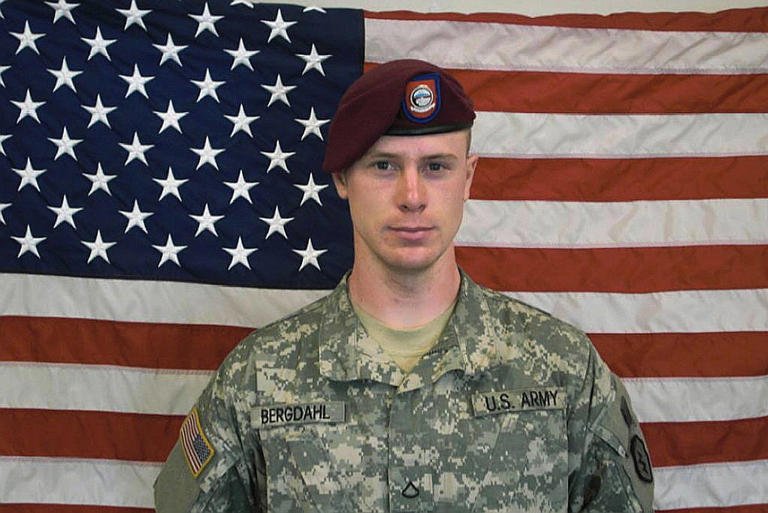
A federal appeals court ruled on September 2, 2026, that a judge who vacated the conviction of former Army Sgt. Bowe Bergdahl in 2023 did not have the jurisdiction to do so. The ruling restores Bergdahl’s dishonorable discharge and related punishments, reigniting debate over one of the military justice system’s most complex cases in recent years.
Background of the Bergdahl Case
Bowe Bergdahl’s case has spanned over a decade since he walked off his Army base in Afghanistan in 2009 and was subsequently captured by the Taliban. After five years in captivity, Bergdahl was released in a prisoner exchange brokered by President Barack Obama in 2014. Bergdahl pleaded guilty in 2017 to desertion and misbehavior before the enemy, leading to his court-martial and sentencing, including a dishonorable discharge.
2023 District Court Ruling and Jurisdiction Question
In July 2023, U.S. District Judge Reggie Walton vacated Bergdahl’s convictions and sentences, citing concerns over the impartiality of the military judge who presided over the case. Walton pointed to the military judge’s application for an immigration judge position during President Donald Trump’s first term as a potential conflict of interest. Walton’s decision sparked controversy, with critics arguing the district court overstepped its authority by intervening in a military court’s judgment.
Appeals Court Decision and Legal Reasoning
On Tuesday, the U.S. Court of Appeals for the District of Columbia Circuit overturned Walton’s vacatur, ruling that federal district courts lack jurisdiction to grant collateral review of court-martial judgments. The appeals court emphasized the unique relationship between federal and military courts, stating that Article III courts do not have the power to vacate military convictions on collateral review. As a result, the court remanded the case back to the district court with instructions to dismiss it for lack of jurisdiction.
Reactions and Next Steps
Eugene R. Fidell, Bergdahl’s attorney, expressed disappointment with the ruling but emphasized the case’s ongoing significance for military justice. Fidell confirmed that Bergdahl has options, including requesting a rehearing before the appeals panel, seeking review by the full court, or petitioning the U.S. Supreme Court.
The decision restores Bergdahl’s dishonorable discharge and other punishments imposed by the military court. It also raises questions about the balance of power between civilian and military judicial systems and the limits of federal court intervention in court-martial cases.
Historical Context and Political Impact
Bergdahl’s case has remained politically charged since President Donald Trump’s 2016 campaign, during which he labeled Bergdahl a “dirty, rotten traitor” and called for his execution or transfer back to the Taliban. The military judge at the time of Bergdahl’s court-martial, Jeffery Nance, had applied for an immigration judge post during the Trump administration, a factor that influenced the 2023 district court ruling.
Despite this ruling, the broader debate about military justice, judicial impartiality, and civilian oversight continues as the case progresses through the legal system.
The Bergdahl saga remains a pivotal example of the tensions between military discipline, national security concerns, and the rights of service members under U.S. law.