US Resumes Bombing in Iran After Tanker Attacks; Tehran Launches Counterstrike on Allies
President Trump orders fresh US strikes on Iran after tanker attacks, prompting Tehran to retaliate against US allies in the region.
ArtTower/Pixabay
The United States resumed military bombing operations in Iran on Tuesday following attacks on two Saudi oil supertankers near the Strait of Hormuz. The Pentagon confirmed strikes on multiple Islamic Revolutionary Guard Corps (IRGC) sites, while Tehran responded with a counterattack targeting US allies in the region, marking a sharp escalation in the ongoing Iran conflict.
US Strikes Target IRGC Facilities After Tanker Attacks
According to Pentagon officials, the US military targeted several key Iranian military installations linked to the IRGC. These included air defense sites, radar systems, maritime assets, mine-laying capabilities, and communication centers. The strikes came just hours after two Saudi supertankers were hit by unknown projectiles while transiting the strategic Strait of Hormuz on Monday night.
The US Department of Defense described the attacks as retaliatory measures aimed at deterring further Iranian aggression against commercial shipping in the vital Gulf waterway. This marks the first time US forces have directly targeted Iranian government-operated tankers, embracing a new “tanker for tanker” policy authorized by President Donald Trump to curb Iran’s attacks on maritime traffic.
President Trump’s Strong Response and Strategic Positioning
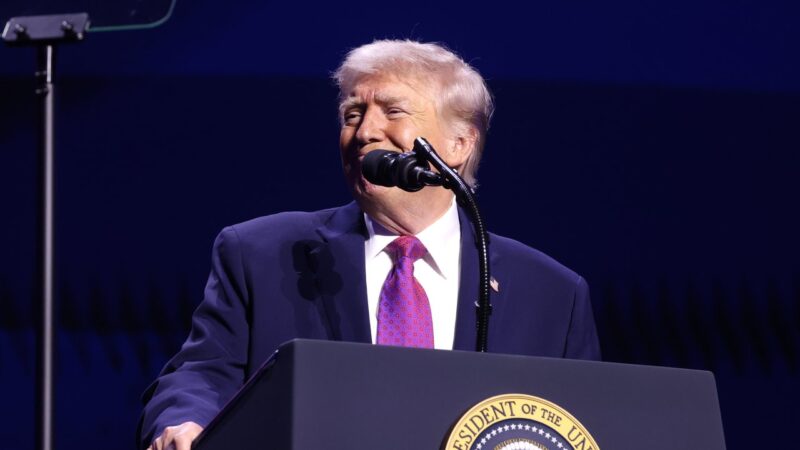
President Trump issued stark warnings on his social media platform, Truth Social, emphasizing that any Iranian retaliation would be met with even more severe consequences. “If the failed Nation of Iran retaliates for this very justified attack, they will be hit again at a much harder and higher level,” Trump wrote, signaling a readiness for further military escalation.
Despite recent overtures from Iranian leaders about returning to a 2026 Memorandum of Understanding if the US agreed, the president dismissed these diplomatic efforts as insincere. Trump expressed confidence in the current US stance, highlighting near-total control over the Strait of Hormuz and the deteriorating Iranian economy. He further questioned when the Iranian people might rise up against their government.
Collateral Damage: Wedding Party Struck in Southern Iran
Among the targets struck was a home hosting a wedding in Kuhestak, near the Strait of Hormuz in southern Iran. The attack killed five civilians and injured dozens more, according to local Iranian officials and the Iranian Red Crescent Society. The IRCS released footage showing severe damage to the building and called for an investigation by the International Criminal Court.
Iran’s parliament responded with outrage. Mohammad Bagher Ghalibaf, the parliamentary speaker, condemned the US as “Satan,” while the chair of the National Security and Foreign Policy Committee vowed that these actions “will not go unpunished.” The incident has further inflamed tensions and drawn international concern over the humanitarian impact of the conflict.
Tehran’s Retaliation Against US Regional Allies
In response to the US strikes, Iran launched counterattacks targeting US allies in the Middle East. Details remain limited, but reports indicate missile and drone strikes against military and infrastructure assets of nations aligned with the United States. These actions underscore the widening scope of the conflict and the risk of a larger regional war.
US officials have reiterated their commitment to defending allies and maintaining freedom of navigation through critical international waterways. However, the escalating tit-for-tat exchanges raise concerns among diplomatic and military analysts about the potential for an uncontrollable spiral of violence.
International Reactions and Regional Implications
Global responses have varied, with some nations calling for restraint and dialogue, while others have expressed support for the US position against Iranian aggression. The renewed hostilities threaten to disrupt global oil markets and deepen instability in an already volatile region.
As the situation evolves, both Washington and Tehran face mounting pressure domestically and internationally to find a path away from further conflict. For now, the recent attacks mark a significant escalation in the Iran war, putting the region on high alert.
As tensions mount, the coming days will be critical in determining whether diplomatic efforts can be revived or if the conflict will intensify further, with serious implications for global security and energy supplies.