Arizona GOP Embraces Election Deniers Despite Past Losses Ahead of 2026 Races
Arizona Republicans keep nominating 2020 election deniers who lose general elections, risking Democratic gains in 2026.
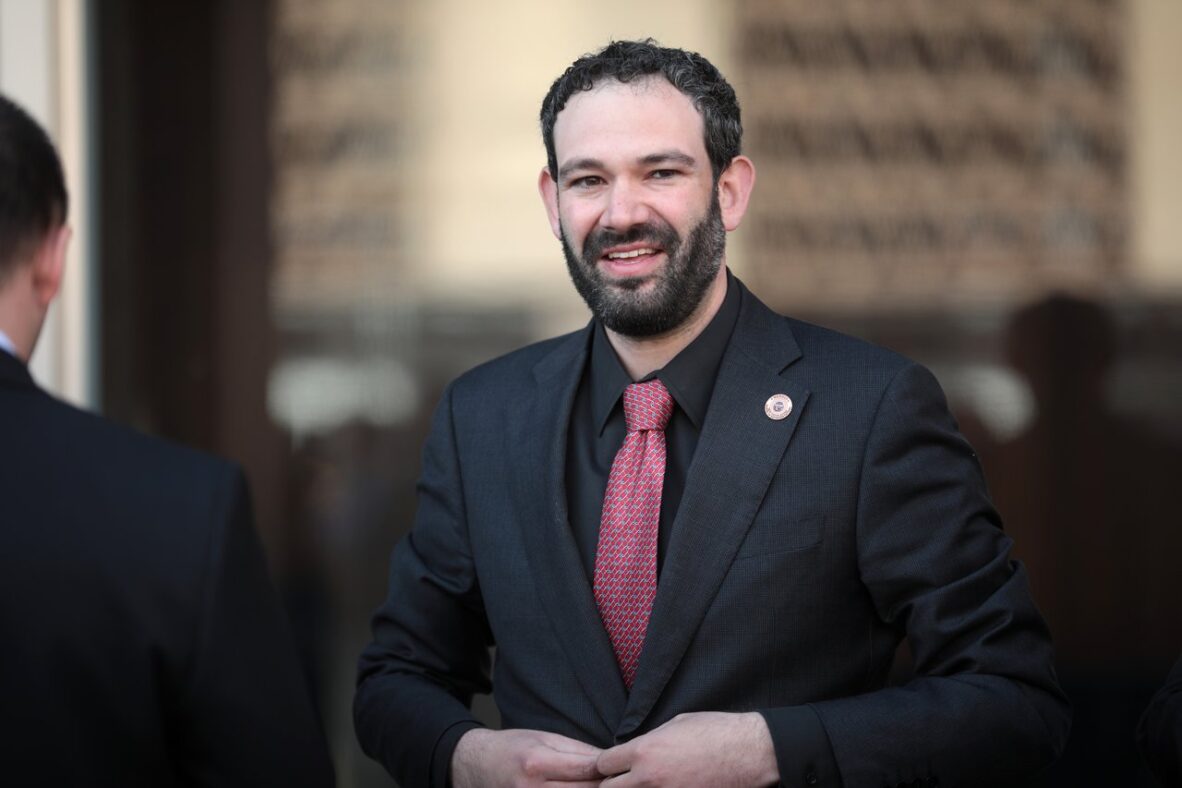
Gage Skidmore from Surprise, AZ, United States of America/Wikimedia Commons
Arizona’s Republican Party continues to endorse candidates who promoted false claims about the 2020 election, despite repeated losses in statewide races. As the 2026 elections approach, Alexander Kolodin, a key figure behind election denial lawsuits in 2020, leads the GOP bid for secretary of state, with two other election deniers running for governor and attorney general. This persistent pattern raises concerns about Republican prospects and Democratic consolidation in the battleground state.
Kolodin’s Rise Through Election Denial
Alexander Kolodin, once a little-known attorney who lost a GOP primary for state Senate in the summer before the 2020 election, gained prominence by championing baseless claims related to voting issues. On Election Day 2020, Kolodin filed a lawsuit demanding voters who used Sharpie markers be allowed to vote again, despite the Arizona Republican Party’s own investigation finding no problems caused by Sharpies. The suit, filed the day after the election, was the first of several that all failed in court and resulted in sanctions from the state bar association.
Kolodin’s role in challenging the 2020 results propelled him into the GOP spotlight, eventually leading to his election to the Arizona House in 2022. Known for ultraconservative principles and obstructionist tactics, Kolodin has faced criticism from fellow Republicans, with two GOP committee chairmen seeking his removal from committees. Despite this, his embrace of Trump-backed election conspiracies secured him a powerful base and Trump’s endorsement for secretary of state this year.
Repeated GOP Losses Despite Election Denial Strategy
Arizona was once a reliably Republican state but has become a competitive battleground in recent years. The state GOP’s continued nomination of candidates who have promoted false claims about the 2020 election has repeatedly backfired in general elections. Notable losses include Blake Master’s 2022 Senate race and Kari Lake’s unsuccessful bids for governor in 2022 and Senate in 2024, even as President Donald Trump won the state.
Alongside Kolodin, two other Republicans who supported efforts to subvert the 2020 results are on the 2026 ballot: Andy Biggs for governor and Warren Petersen for attorney general. Party insiders warn that this pattern of nominating election denialists risks a Democratic wipeout that could expand their power for years.
Concerns Within the GOP and Beyond
Some Republican strategists express worry about the party’s direction. One GOP strategist said, “The election denialists have dominated this party for six years. If we keep doing this, we will keep losing.” The concern is that the party’s embrace of unproven claims and conspiracy theories alienates moderate voters and strengthens Democratic control.
Kolodin is not unique nationally. Similar figures running for secretary of state in other battleground states include Nevada’s Jim Marchant, who claims both he and Trump were victims of election fraud in 2020, and Michigan’s Anthony Forlini, who refused to state who won the 2020 presidential election. These candidates’ election denial positions have become a defining feature of their campaigns.
Impact of Election Denial on Arizona Politics
Kolodin’s ascent illustrates how endorsing Trump’s election conspiracies can elevate political careers within the GOP base. Tyler Bowyer, CEO of Turning Point USA, praised Kolodin, saying, “Alex definitely stepped up when there were very few who could or would.” Yet, according to Tyler Montague of the Arizona Public Integrity Alliance, Kolodin’s path involved “a cultlike mentality — uncritical acceptance of what the leader says,” making it difficult for him to break away from these views.
Kolodin emphasizes election integrity as a civil rights issue and stresses protecting lawful votes in his campaign messaging. However, his past challenges to the 2020 election and obstructionism in the legislature have made him a polarizing figure, even among Republicans.
Whether Arizona voters will continue to support candidates embraced by election denialist rhetoric remains to be seen, but the repeated losses tied to this approach highlight a growing tension within the state GOP and its future electoral viability.
The 2026 elections will test whether Arizona Republicans can shift strategies or risk further losses in one of the nation’s key battleground states.