President Trump Maintains Tariffs Despite Rising Voter Opposition Ahead of Midterms
With less than a month to the midterms, over 64% of U.S. adults disapprove of Trump’s tariffs, yet he remains steadfast on trade policy.
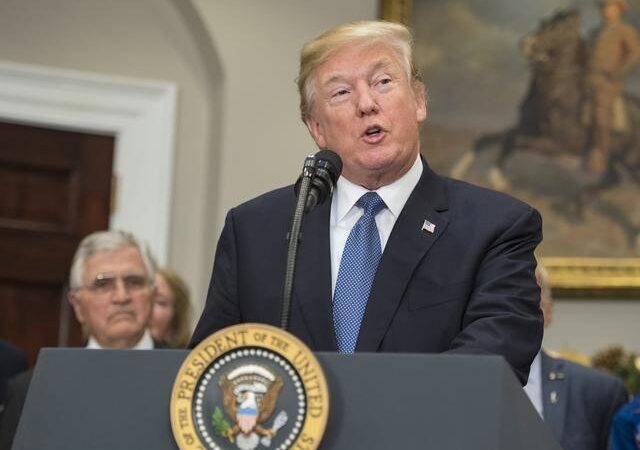
Daniel Torok/Wikimedia Commons
President Donald Trump continues to uphold his aggressive tariff policies on imports from major trading partners despite growing public disapproval and expert criticism just weeks before the November 3 midterm elections. The tariffs, the highest imposed since the Great Depression, remain a central and controversial element of his trade agenda.
Trump’s Tariff Policies and Legal Challenges
The United States currently applies import taxes ranging from 10% to 12.5% on goods from 60 economies including key partners like the European Union, India, Japan, Canada, and Mexico. After the Supreme Court struck down Trump’s earlier use of a 1977 economic emergency law in February, the administration pivoted to Section 301 of the Trade Act of 1974, which permits tariffs on nations engaging in unfair trade practices. Trump has fluctuated tariff rates in response to legal rulings and his own strategic decisions, maintaining a complex and evolving trade stance.
Public Disapproval and Polling Data Ahead of Midterms
A recent poll reveals a significant increase in voter dissatisfaction with Trump’s tariff approach. More than 64% of U.S. adults now believe the president has gone too far with tariffs, up from 58% in January. This rising opposition signals a political gamble for Trump as the midterm elections approach less than a month away on November 3. Despite this, the administration shows no sign of stepping back from its tariff strategy.
Economic Impact and Expert Criticism
Economic experts widely criticize the tariffs as damaging to a global trading system that has historically benefited the U.S. economy by promoting growth, keeping prices low, and enhancing competitiveness. Although Trump claims foreign exporters bear the tariff costs, studies from the New York Fed and Harvard indicate that U.S. businesses and consumers primarily shoulder these expenses through higher prices. The White House counters by highlighting a manufacturing job resurgence and increased nonresidential construction jobs, with spokeswoman Taylor Rogers stating, “Factory construction jobs of today mean more manufacturing jobs down the road once those factories come online.”
Trade Relations with Major Partners and Tariff Comparisons
The tariff dispute extends to major trading partners. Prior to the trade conflicts, U.S. tariffs on EU goods averaged 1.47%, slightly higher than the EU’s 1.35% rate on American products. Europe remains a strong buyer of U.S. goods, with about 30% of European imports coming from U.S.-owned companies. Similarly, Canada’s effective tariff on U.S. imports was about 2.4%, less than half of the 5% U.S. rate on Canadian imports. However, trade talks broke down this summer, escalating into a tit-for-tat tariff battle between the U.S. and Canada.
Historical Context and Trade Disputes
The U.S. manufacturing sector has experienced significant job losses since China joined the World Trade Organization in 2001, with nearly 3 million factory jobs lost in the following four years. While some countries maintain higher tariffs than the U.S. or manipulate currencies to boost exports, overall tariff rates among major U.S. trading partners are often comparable or lower than those imposed by the U.S. The current tariff policies reflect an attempt by the Trump administration to address perceived unfair trade practices, despite mixed evidence and ongoing economic debate.
As the midterms approach, President Trump’s tariff strategy remains central to his economic agenda, facing increasing scrutiny from voters and analysts alike.