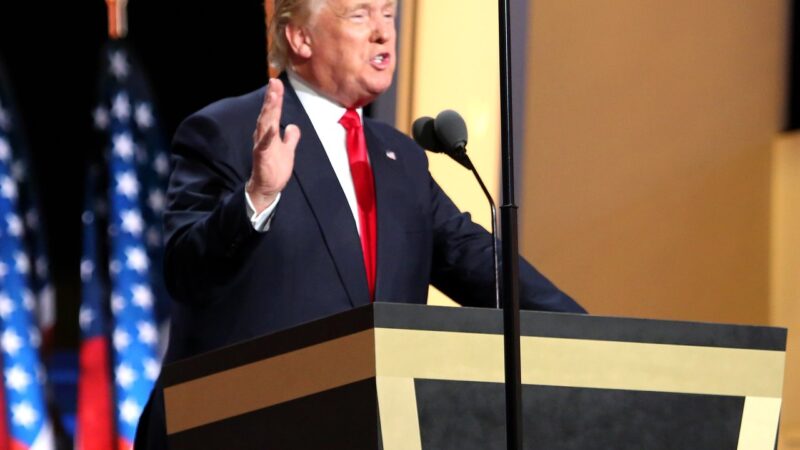
Bill O’Reilly Calls for Firing of DHS Secretary Markwayne Mullin Over Immigration Tactics
Bill O’Reilly criticizes Homeland Security Secretary Markwayne Mullin’s immigration crackdown and urges President Trump to fire him.
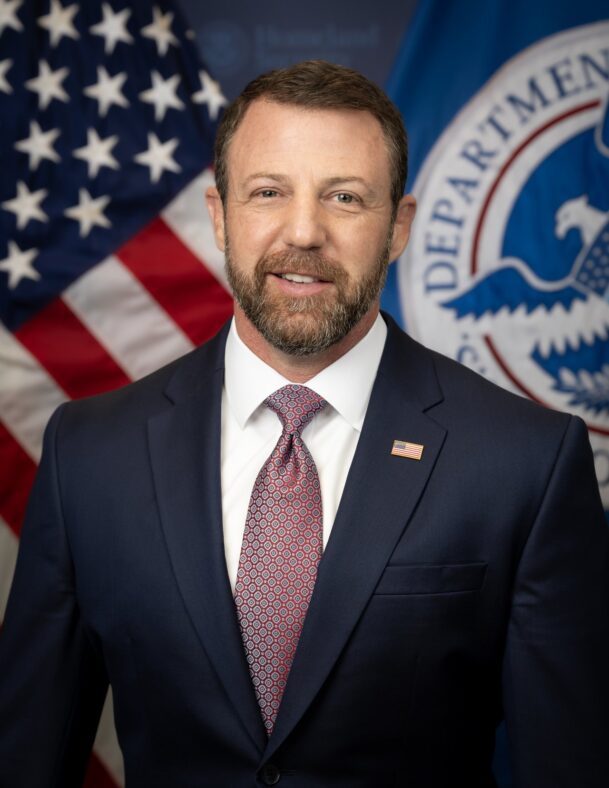
U.S. Department of Homeland Security (DHS)/Wikimedia Commons
Conservative commentator Bill O’Reilly has publicly called on President Donald Trump to dismiss Homeland Security Secretary Markwayne Mullin, condemning his immigration enforcement as excessively harsh and lacking transparency. The criticism comes amid ongoing controversy surrounding the administration’s immigration policies and Mullin’s recent leadership at DHS.
O’Reilly’s Critique of Mullin’s Immigration Enforcement
On his nightly web show “No Spin News,” Bill O’Reilly attacked Mullin’s approach to immigration enforcement, labeling him “arrogant as hell” and “worse than” his predecessor, Kristi Noem. Mullin, who assumed the role of Homeland Security Secretary in March after Noem’s dismissal, has faced scrutiny for his department’s handling of immigration crackdowns. O’Reilly emphasized the need for explanations when federal agents use force, saying, “You know, when people are getting beat up in the streets by federal agents, you need to say why. OK? That’s not hard!”
O’Reilly’s call for accountability included a sharp remark about Mullin’s future, declaring, “If it were me, Mullin would be in the Bahamas right now taking the sun.” This blunt rebuke reflects growing frustration within conservative circles over the perceived severity and opacity of immigration enforcement under Mullin’s leadership.
Background on Mullin’s Appointment and Controversies
Markwayne Mullin replaced Kristi Noem as Homeland Security Secretary following Noem’s ousting amid multiple controversies. Noem faced criticism for leasing luxury jets with agency funds and for a costly self-promotional ad campaign paid for by taxpayers. Mullin, who previously worked as a professional mixed martial arts fighter before entering politics, took over the department in March. Despite his varied background, Mullin’s tenure has been marked by controversy, particularly regarding immigration enforcement practices.
Incident Involving Detainment of American Citizen
O’Reilly’s criticism intensified after an incident last month involving the detention of Ricardo Gonzalez, an American citizen, by ICE agents. Video footage obtained by The New York Times showed an ICE vehicle swerving toward Gonzalez, who was riding a bicycle, resulting in injuries requiring hospital treatment. ICE denied causing the injury. O’Reilly condemned the Department of Homeland Security’s silence on the matter, stating, “Unfortunately, the Department of Homeland Security doesn’t say anything. And this is what’s wrong with Markwayne Mullin.” He urged Mullin to provide transparency, questioning, “Is he a U.S. citizen or not? What did he do to be confronted by ICE agents? You don’t just sit on it, Markwayne.”
The lack of openness, O’Reilly argued, damages public trust in the federal government and the Trump administration.
Immigration’s Role in Recent Midterm Elections
Immigration policy played a significant role in the recent midterm elections, influencing voter priorities and opinions on enforcement agencies. According to polling data referenced by O’Reilly, 14 percent of voters identified immigration as their top issue in an Associated Press voter poll. Additionally, NBC News exit polls revealed that 60 percent of voters disapproved of ICE’s handling of its duties. These statistics underscore the political sensitivity surrounding immigration enforcement and its potential impact on electoral outcomes.
President Trump himself acknowledged in a CBS 60 Minutes interview that his administration’s mass deportation policy may have been “too tough,” a stance that may have contributed to Republican losses in the midterms.
Bill O’Reilly’s demands highlight ongoing tensions within the Trump administration and conservative media over immigration enforcement methods and leadership at the Department of Homeland Security. As the debate continues, calls for transparency and accountability remain central to the discourse around immigration policy.