Voting Rights Groups Sue to Block ICE Agents at Polling Places Ahead of 2026 Midterms
Civil rights groups and Denver sue to stop ICE agents from intimidating voters at polling places in the 2026 midterm elections.
Uploaded image
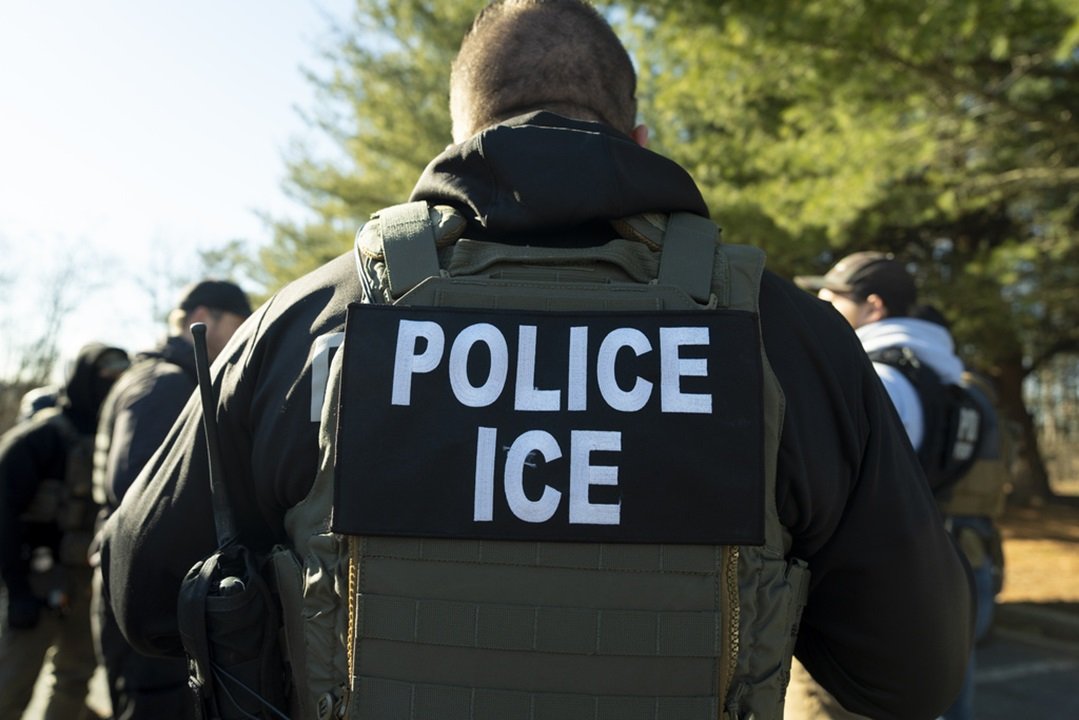
A coalition of voting rights organizations, joined by the city of Denver, filed a lawsuit Thursday aiming to prevent the deployment of Immigration and Customs Enforcement (ICE) agents at polling places during the 2026 midterm elections. The legal action comes amid rising concerns that federal immigration agents, under President Donald Trump’s administration, could intimidate voters and suppress turnout by showing up armed at polling sites across the country.
Details of the Lawsuit and Legal Arguments
The lawsuit challenges the Trump administration’s implied plans to station ICE officers at polling locations, arguing that such actions violate federal law. According to the complaint, federal agents or military personnel are only authorized to appear at polling places to “repel armed enemies of the United States.” The plaintiffs assert that deploying ICE to polling sites amounts to unlawful voter intimidation and interferes with the democratic process.
Denver Mayor Mike Johnston, a key plaintiff, stated, “The right to vote, and to do so without fear of intimidation, is fundamental to our democracy and to being an American. Stationing ICE agents near polling places is only meant to scare people and suppress votes. We’ll fight tooth and nail to prevent it.”
Background: ICE’s Role and Administration Statements
While the Trump administration has not officially announced plans to deploy armed ICE agents directly inside polling places, top officials have hinted that agents could be present to respond to “threats” or to execute immigration warrants. Homeland Security Secretary Markwayne Mullin emphasized that ICE would only be at polling sites if responding to a specific threat or serving a warrant, maintaining that the agency’s mission remains focused on immigration enforcement rather than election oversight.
However, incidents earlier in 2026 have heightened tensions. In May, armed ICE officers arrested a suspect in a parking lot outside a Texas polling place, and in June, agents appeared at polling sites in California and New York. Additionally, ICE agents confronted an election worker in Syracuse, New York, in the middle of her shift, raising concerns about voter intimidation and election worker harassment.
Voting Rights Advocates Warn of Voter Suppression Tactics
Voting rights groups argue that sending ICE to polling places is a deliberate attempt to suppress voter turnout, especially among immigrant and minority communities. Janet Murguía, president of Latino advocacy group UnidosUS, called the policy “voter suppression, plain and simple.” Virginia Kase Solomón, president of Common Cause, described the tactic as something “used by dictators,” underscoring the threat posed by armed federal agents stationed near voters exercising their fundamental rights.
These groups contend the Trump administration’s efforts stem from unsubstantiated claims of widespread noncitizen voting designed to delegitimize election outcomes unfavorable to the Republican Party. President Trump himself has not ruled out declaring a national emergency to overhaul election systems based on these debunked conspiracy theories.
Political Context and Upcoming Midterm Stakes
The lawsuit and ongoing debate come as the nation prepares for the 2026 midterm elections, which will determine control of Congress and influence President Trump’s remaining two years in office. The Republican-controlled White House, Senate, and House have shown strong interest in election security measures, often citing voter fraud concerns despite little credible evidence.
Public statements by administration officials, including former Trump adviser Steve Bannon’s call to “surround the polls” with ICE and Attorney General Todd Blanche’s questioning of objections to ICE presence at polling sites, have added fuel to the controversy. The uncertainty surrounding ICE’s role at the polls has prompted several secretaries of state to seek clarifications and reassurances that voter rights will be protected.
As election day approaches, the legal battle over ICE’s presence at polling places highlights the tension between federal enforcement priorities and the safeguarding of voter access and freedom from intimidation. Voting rights groups vow to continue fighting any efforts they see as undermining the democratic process.