Chaos Deepens as Trump’s White House Sees Rapid Staff Turnover
Katie Zacharia’s brief tenure underscores escalating chaos inside President Trump’s White House as his influence wanes ahead of midterms.
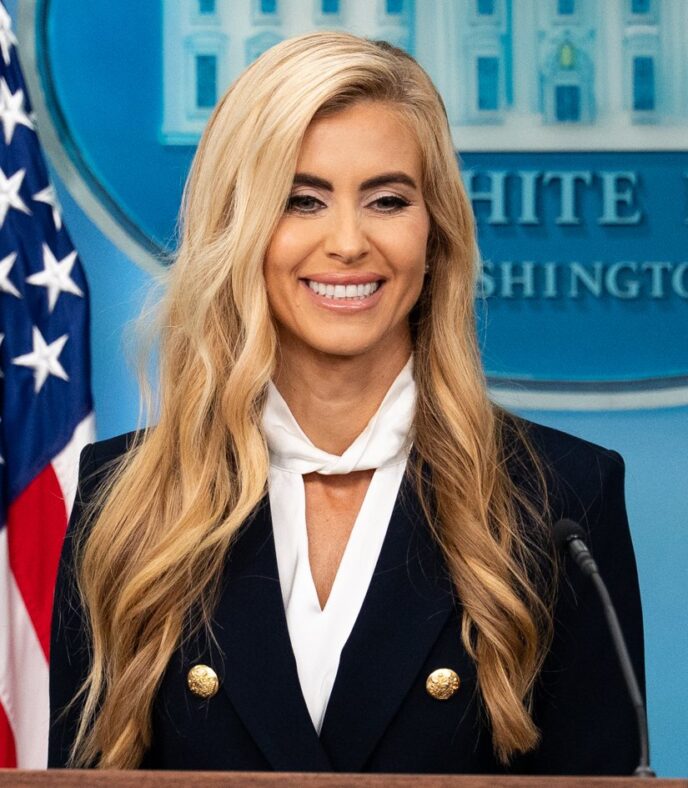
Andrea Hanks / The White House/Wikimedia Commons
Katie Zacharia’s resignation after just five days as President Donald Trump’s press secretary highlights growing instability within the White House as the president faces a shrinking political base and looming midterm elections next month that may strip Republicans of congressional control.
Rapid Turnover Reflects White House Disorder
Zacharia’s departure is notable not only for its brevity but also for the circumstances surrounding her appointment and firing. President Trump dismissed her with a casual remark, “maybe it’s not for her,” revealing a lack of consultation with Susie Wiles, the White House chief of staff who has been credited with bringing order to the administration over the past two years. This episode contrasts sharply with earlier periods in Trump’s first term, such as Anthony Scaramucci’s 11-day tenure in 2017, signaling deeper dysfunction today.
Political Context Intensifies Pressure
The president’s weakening authority is tied closely to the political landscape. With the midterm elections approaching, there is a strong possibility that Republicans will lose control of both houses of Congress, further limiting Trump’s power. Constitutionally barred from seeking re-election in two years, Trump’s influence is expected to diminish. Ambitious figures like Vice President JD Vance are seen by many as likely successors, and despite Trump’s occasional threats to ignore term limits, his supporters increasingly doubt he will attempt to overturn the constitution.
Wiles’ Role as White House Stabilizer
Susie Wiles stands out as the primary figure maintaining stability in the White House. Over the last two years, she has reduced leaks and internal feuding to near-normal levels, acting as a critical check on the president’s impulses. However, Trump’s recent impatience with such discipline is evident as he lashes out in frustration, a reaction some attribute to the “lack of high-profile surrogates defending him on television,” as noted by correspondent Andrew Feinberg.
Policy Missteps Exacerbate Political Woes
President Trump’s erratic behavior extends beyond staffing to foreign policy decisions that have damaged Republican electoral prospects. After initiating a war with Iran, he compounded the error by first agreeing to buy Russian diesel in an unsuccessful attempt to lower US fuel prices, then abruptly reversing his approval of a sanctions law aimed at curbing Vladimir Putin’s war financing. The law, named after the late Senator Lindsey Graham, was blocked two days before taking effect, marking a stark alignment with Putin over Ukraine.
These moves are politically costly. American voters, including many Republicans, support Ukraine and view Trump’s dealings with Russia as a sign of weakness. Furthermore, the diesel deal fails to address fuel prices for American consumers, undermining Trump’s stated goals.
Such actions underscore a president increasingly desperate and isolated, moving from provocative unpredictability to chaotic mismanagement.
Ultimately, the upheaval within the White House—from rapid staff departures to policy blunders—may signal the beginning of the end for the Trump era. Symbolic missteps, including damage to national landmarks, have tarnished America’s image, but it is the fracturing of the White House’s internal order that most clearly marks a decline in presidential control.
As these cracks widen, the future direction of the Republican Party and the Trump administration remains uncertain, with Vice President JD Vance emerging as a prominent figure in the shifting political landscape.