Democratic Socialist Nixon Ties Incumbent Moody in Tight Florida Senate Race
New polls show Florida’s Senate race neck-and-neck between Democrat Angie Nixon and GOP incumbent Ashley Moody ahead of November.
Uploaded image
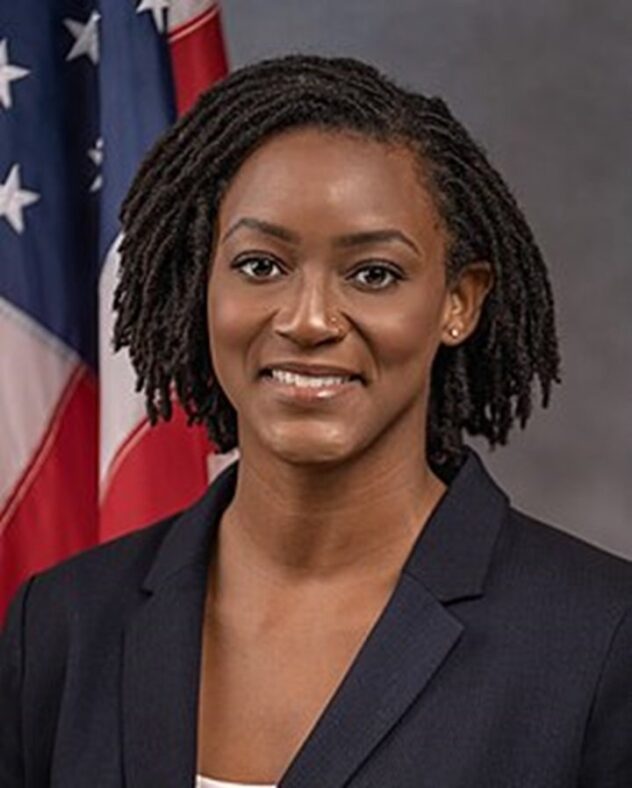
A new poll reveals that Florida’s closely watched U.S. Senate race is tightening as Democratic Socialist Angie Nixon and incumbent Republican Sen. Ashley Moody are tied at 45% among likely voters. The survey, conducted from September 15-17, 2026, signals potential vulnerability for Republicans in a state that has trended reliably red in recent years. This matchup comes amid the broader national stakes as control of the Senate hangs in the balance ahead of the November 3 election.
Florida Senate Race: Nixon Challenges Moodys’ Hold
In the latest survey by St. Pete Polls and FloridaPolitics.com, Nixon and Moody each captured 45% support, with 7% of respondents undecided. Nixon’s rise is notable given her progressive platform and her victory over moderate Alex Vindman in the August Democratic primary, marking a win for the party’s left wing. Moody, appointed by Governor Ron DeSantis to fill the seat vacated by Marco Rubio, faces an unexpectedly competitive general election in a state with a 1.5 million Republican voter advantage.
Angie Nixon’s campaign has gained momentum by focusing on grassroots organizing and appealing to diverse communities, including in Miami’s Little Havana neighborhood, where she campaigned extensively in late August. If Nixon succeeds, it would represent a significant upset in Florida, President Trump’s home state, and could alter the Senate’s narrow Republican majority.
Republican Prospects in Other Key Senate Races
While Florida presents a challenge for Republicans, other Senate contests offer mixed prospects. In New Hampshire, former GOP Sen. John Sununu has gained ground against Democrat Chris Pappas. The Cook Political Report recently shifted the race from lean Democrat to toss-up, citing Sununu’s statewide appeal and the boost from popular Republican Governor Kelly Ayotte. A University of New Hampshire poll showed Sununu leading 45% to 43% before the September 8 primary.
Kansas also features a competitive race with Democrat Adam Hamilton narrowly ahead of Republican Sen. Roger Marshall according to the latest Emerson College poll. Though Kansas remains a Republican stronghold historically, Hamilton’s primary win and polling strength have made the race unexpectedly close.
National Implications and Senate Control
These tight Senate contests highlight the fragile Republican hold on the chamber, currently controlled by President Donald Trump’s party. With several races shifting toward Democrats or becoming toss-ups, the November midterms could reshape the balance of power. Republicans have responded with aggressive fundraising and strategic campaigning, including Vice President JD Vance’s recent support for vulnerable GOP incumbents.
The Florida race is especially critical, as a Democratic flip there would erode the Senate’s Republican majority. Nixon’s progressive platform contrasts with Moody’s more traditional Republican stance, making the contest a referendum on the future direction of the party amid President Trump’s second term.
What to Watch as Election Day Nears
Voter turnout and undecided voters will play a decisive role in the closing weeks of the campaign. Nixon’s unexpected primary victory energized progressive activists, but she faces an uphill battle in a state with a strong Republican voter base. Meanwhile, Moody is leveraging her incumbency and association with Governor DeSantis and President Trump to maintain support.
In New Hampshire and Kansas, the races remain competitive, with candidates from both parties intensifying efforts to mobilize voters. National attention and resources will likely continue flowing to these battleground states as the November 3 election approaches.
Overall, the latest polls underscore the volatility of Senate races in 2026, emphasizing how local dynamics and national trends converge in shaping the future of U.S. governance.