Democrats Demand Guilfoyle’s Removal Amid Corruption Allegations as Ambassador to Greece
Democrats push for Kimberly Guilfoyle’s firing and possible prosecution after reports of $100,000 sought for access as US ambassador to Greece.
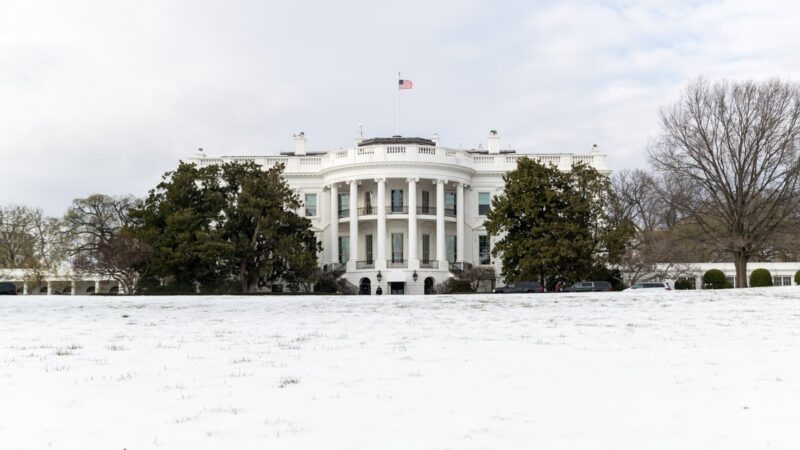
U. S. Embassy & Consulate in Greece/Wikimedia Commons
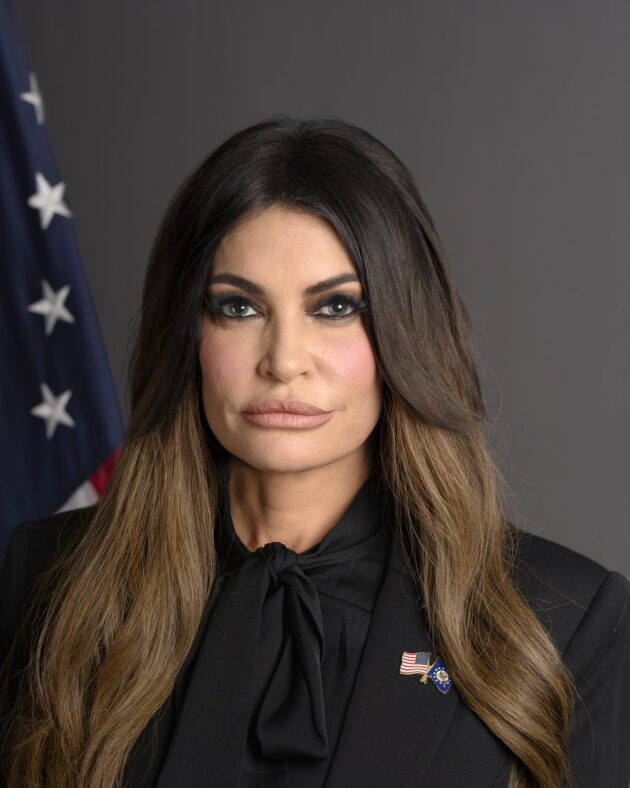
Kimberly Guilfoyle, the U.S. ambassador to Greece, faces mounting pressure from congressional Democrats calling for her removal and potential prosecution following a report alleging her involvement in corrupt influence-peddling. The controversy erupted this week after The Wall Street Journal revealed that Guilfoyle solicited $100,000 from a Trump donor in exchange for access to high-level administration officials.
Allegations of Influence-Peddling Surface
According to The Wall Street Journal, Kimberly Guilfoyle engaged in a lucrative influence-peddling scheme during her tenure as ambassador. A key piece of evidence cited was a message she sent to a Trump donor requesting assistance, stating, “Every secretary of you know defense, transportation, treasury commerce IRS commissioner everyone gets right back to me.” Such statements suggest she leveraged her position to offer privileged access in return for financial gain.
Guilfoyle’s attorney has disputed the authenticity of these messages but provided no further details. Meanwhile, Eric Deters, a Republican lawyer and Trump donor who reportedly offered Guilfoyle up to $1 million to assist with his personal tax and legal matters, affirmed his belief that their dealings constituted a “quid pro quo.” Deters also expressed certainty that Guilfoyle had engaged in similar conduct with others.
Democratic Lawmakers Call for Immediate Action
Democrats swiftly responded to the revelations, demanding Guilfoyle’s removal from her ambassadorial post. Rep. Gregory Meeks of New York, the top Democrat on the House Foreign Affairs Committee, stated, “Reports coming out regarding Amb. Guilfoyle’s conduct are deeply concerning and suggest potentially corrupt influences on U.S. foreign policy.” He added, “If these allegations are accurate, Amb. Guilfoyle is unfit to represent the United States abroad and should be removed from her position.”
Other Democrats have sent Guilfoyle questions and pressed Secretary of State Marco Rubio, her direct superior, for decisive action. Many lawmakers treat her ouster as inevitable in light of the allegations, framing it as a necessary step to preserve the integrity of U.S. foreign relations.
Prosecution Considered by Lawmakers
Beyond calls for dismissal, some Democratic members of Congress suggest that Guilfoyle’s actions may warrant criminal charges. Virginia Rep. Don Beyer, himself a former U.S. ambassador, commented that Guilfoyle might face prosecution for “accepting large sums of cash in exchange for access or favors.” Other Democrats echoed this view, emphasizing the seriousness of the allegations as potentially criminal conduct rather than mere ethical violations.
This stance aligns with Democrats’ broader emphasis on corruption within the current Republican administration, a key issue as the midterm elections approach. Guilfoyle’s scandal reinforces their campaign narrative on government accountability and integrity.
Republican Response and Trump’s Silence
Notably, no prominent Republicans have publicly defended Guilfoyle. President Donald Trump, who nominated her, has remained silent on the matter. Traditionally, Trump has addressed controversies involving officials by appointing them to ambassadorships; however, Guilfoyle already holds such a position, limiting this tactic’s applicability.
The lack of GOP support leaves Guilfoyle politically isolated as investigations and calls for accountability grow louder.
As the situation develops, the focus remains on whether Secretary of State Rubio will act on these demands and whether federal authorities will pursue legal proceedings against Guilfoyle for the alleged corruption.
Kimberly Guilfoyle’s ambassadorship and the ensuing scandal underscore persistent concerns about influence-peddling and corruption at the highest levels of government, intensifying partisan debates as the nation approaches critical elections.