NY Times’ Maggie Haberman Exposes Trump’s Efforts to Suppress Speech Nationwide
Maggie Haberman’s front-page NY Times story reveals how President Trump uses government power and lawsuits to stifle speech across America.
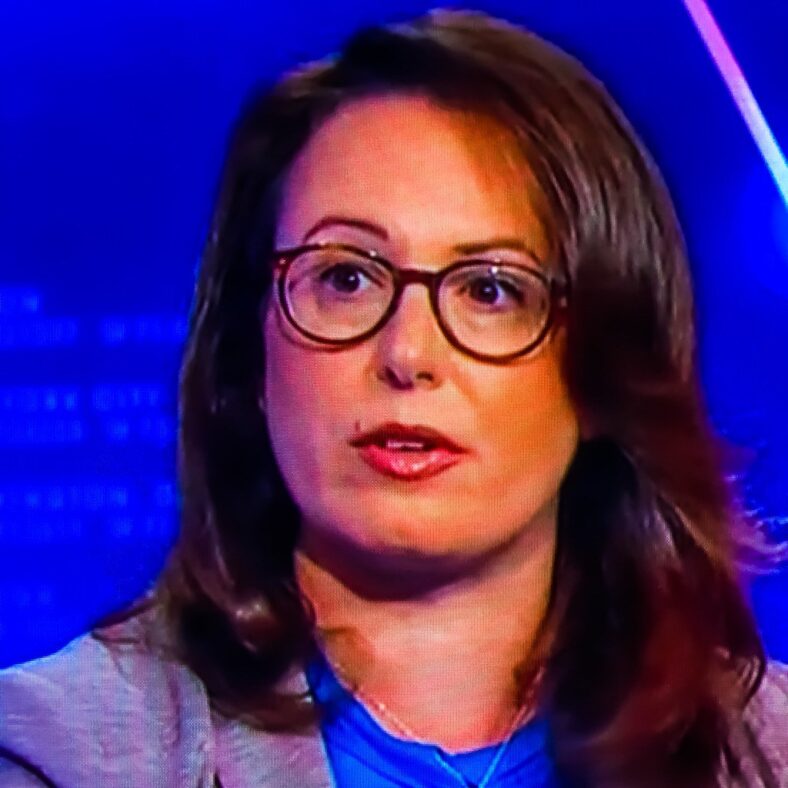
Thomas Hawk/Flickr
New York Times journalist Maggie Haberman has published a major front-page exposé detailing how President Donald Trump is using federal power and legal actions to suppress speech and control narratives in the United States. The comprehensive Sunday feature outlines multiple instances of the Trump administration’s efforts to intimidate media outlets, journalists, and public figures critical of the president.
Scope of the Trump Administration’s Speech Control Campaign
Haberman, alongside colleague Jim Rutenberg, describes a broad and coordinated push by the Trump White House to exert influence over the flow of information. The report highlights how the president’s personal grievances, particularly his anger over leaks and unfavorable coverage, have fueled an aggressive stance toward dissenting voices. The administration has reportedly combined the use of federal agencies with private lawsuits targeting a wide range of critics, including journalists, comedians, talk show hosts, and even the companies behind them.
According to the article, these actions go beyond typical political pushback, representing what the authors call “a sweeping campaign to control speech in America.” This campaign has involved weaponizing government resources and legal tools to intimidate and silence critics across the political and cultural spectrum.
Key Revelations: Legal Battles and Media Feuds
The story exposes several significant flashpoints between the Trump administration and media organizations. One notable conflict involves the Associated Press, which refused to relinquish rights to a powerful photo of President Trump raising his fist after the 2024 assassination attempt in Butler, Pennsylvania. This refusal reportedly intensified the administration’s hostility toward the AP.
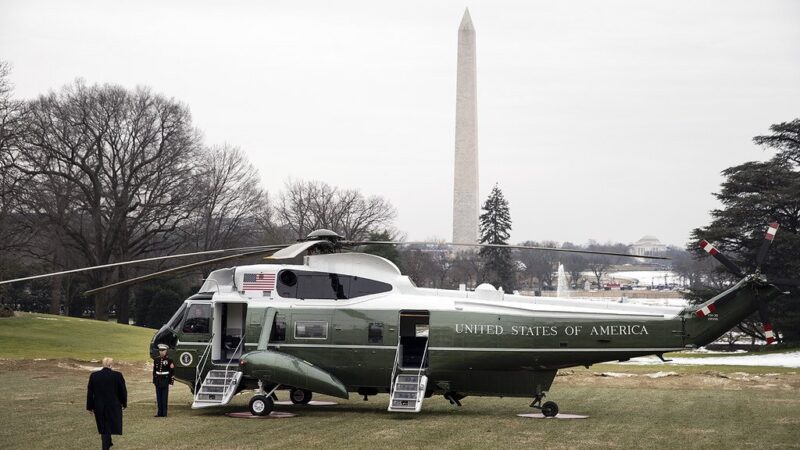
The article also details ongoing legal battles, including subpoenas issued to New York Times reporters investigating security concerns related to the newly gifted Air Force One from Qatar. These subpoenas were eventually withdrawn after the Department of Justice appeared poised to lose a court challenge. Meanwhile, the Pentagon’s controversial new press restrictions remain in place amid ongoing litigation, further complicating reporters’ access to military coverage.
Maggie Haberman’s Position Amid Rising Tensions
Despite escalating personal attacks from President Trump, Haberman’s reporting remains resolute. The president has publicly dismissed her work as “mostly made up” and “Fake News,” particularly criticizing her bestselling book “Regime Change,” co-authored with Jonathan Swan, which contained numerous unflattering revelations about Trump and his inner circle.
White House Communications Director Steven Cheung defended the administration’s approach, accusing the media of biased reporting and asserting that President Trump has offered “unprecedented access” to journalists. Cheung emphasized that the administration uses all available tools to ensure “accurate reporting” and to hold accountable those who spread misinformation.
National Implications of the Administration’s Media Strategy
The revelations in Haberman’s article have sparked renewed debate about freedom of the press and government overreach. Critics argue that the Trump administration’s tactics threaten democratic norms by undermining independent journalism and chilling free expression. Supporters contend that the president is simply pushing back against a media landscape they view as hostile and unfair.
Legal experts warn that the use of subpoenas and lawsuits against journalists could set dangerous precedents for press freedom in America. The ongoing restrictions imposed by the Pentagon also raise concerns about transparency in government and military affairs.
Maggie Haberman’s report provides a rare, detailed glimpse into how the current administration leverages its power to shape public discourse, raising critical questions about the future of speech and media independence in the United States.