Denver Airport’s New Underground Walkways Will Revolutionize Passenger Travel
Denver International Airport unveils plans for underground passenger walkways to connect concourses, speeding up travel and easing congestion.
Masood Aslami/Pexels
Denver International Airport (DEN) announced on July 5, 2026, plans to construct underground passenger walkways connecting its major concourses. This ambitious project aims to streamline passenger movement, reduce transit times between terminals, and significantly enhance the airport experience for millions of travelers each year. Construction is slated to begin later this year, with completion expected by 2029.
Why Underground Walkways Are Needed at Denver Airport
Denver International Airport is one of the busiest airports in the United States, serving over 70 million passengers annually as of 2026. Its expansive layout, with multiple distant concourses, often causes long transit times for connecting passengers. Currently, travelers rely on shuttle buses and the automated people mover system, which can become crowded during peak hours and occasionally face delays.
Airport officials have cited passenger feedback and operational studies highlighting the need for a more efficient solution. The underground walkways will provide a weather-protected, direct route between Concourses A, B, and C, cutting walking times by up to 30% and reducing dependence on shuttle services.
Design and Features of the New Walkways
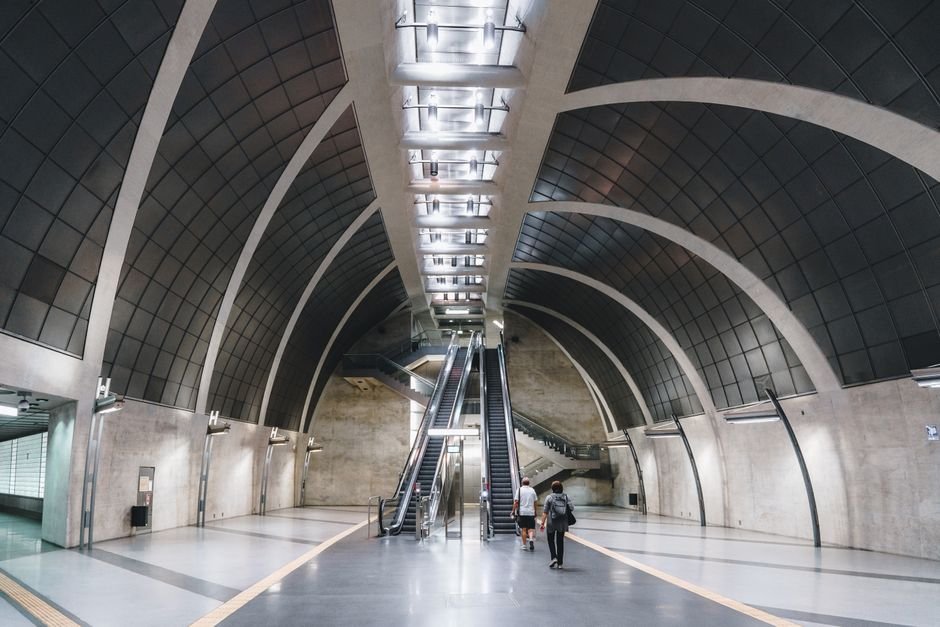
The proposed underground walkways will span approximately 2 miles, equipped with moving sidewalks, energy-efficient LED lighting, and real-time flight information displays. The design prioritizes accessibility, with ramps and elevators to accommodate travelers with mobility challenges.
Additionally, the walkways will feature:
- Climate-controlled environments ensuring comfort year-round
- Art installations showcasing local Colorado artists
- Integrated security checkpoints to maintain airport safety
- Emergency call stations and surveillance cameras for enhanced security
- Charging stations for electronic devices
This infrastructure is designed to blend functionality with aesthetics, improving the overall ambiance of the airport’s concourse areas.
Expected Impact on Passenger Experience and Airport Operations
Airport CEO Kim Day expressed optimism about the project’s potential to transform travel at DEN. “These underground walkways will not only cut down on transit time but will also create a safer and more pleasant environment for our passengers,” she said during the announcement event.
By reducing reliance on shuttle buses and decreasing congestion, the airport expects smoother connections, fewer missed flights, and improved operational efficiency. Airlines operating at DEN are anticipated to benefit from quicker turnaround times and better gate utilization.
Moreover, the project aligns with Denver International Airport’s commitment to sustainability. The walkways will incorporate green building materials and energy-efficient technologies, contributing to the airport’s goal of reducing its carbon footprint by 25% by 2030.
Timeline and Funding for the Project
Construction is scheduled to commence in the fourth quarter of 2026, with phased openings planned between 2028 and 2029. The total estimated cost of the project is $450 million, funded through a combination of airport revenue bonds, federal grants, and passenger facility charges.
Airport officials have assured travelers that current operations will continue uninterrupted during construction, with careful planning to minimize any disruptions. Regular updates will be provided via the airport’s website and social media channels.
Community input sessions have already begun, inviting local residents and frequent flyers to share their thoughts and suggestions as the project progresses.
Denver International Airport’s underground walkways represent a significant step forward in modernizing one of the nation’s largest transportation hubs. Travelers can look forward to a faster, safer, and more enjoyable airport experience starting in the next few years.