Turning Point USA Faces Challenges Under Erika Kirk’s Leadership
Erika Kirk takes helm at Turning Point USA, but experts say her message struggles to resonate with Gen Z women.
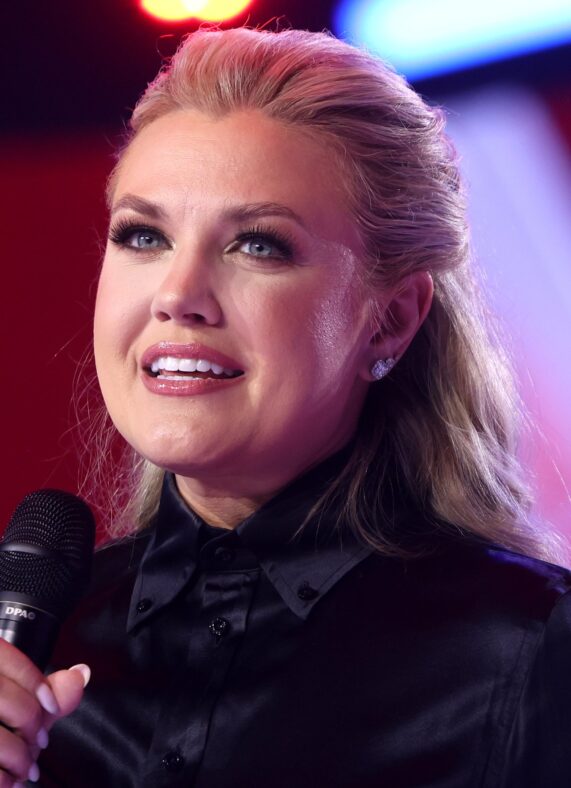
Gage Skidmore/Wikimedia Commons
Turning Point USA, the influential conservative organization credited with energizing young male voters in the 2026 midterm elections, is now led by Erika Kirk following the assassination of her husband, Charlie Kirk. Despite high expectations and widespread media coverage of Erika Kirk’s ascension as CEO and chair, experts say her traditionalist messaging is not gaining traction among Gen Z women, a key demographic the group hopes to engage.
Erika Kirk’s New Role and Early Predictions
Just a week after Charlie Kirk’s tragic death, Turning Point USA’s chief operating officer, Tyler Bowyer, predicted Erika Kirk would be a powerful force in converting young women to the conservative cause, mirroring Charlie’s success with young men. The tweet gained massive attention on X, signaling a surge of optimism within the organization and among Republican strategists.
Major news outlets quickly followed, speculating that Erika Kirk could expand Turning Point USA’s influence among young women, a demographic traditionally less responsive to the group’s conservative messaging. However, Turning Point USA has remained silent about any uptick in female engagement since Erika Kirk’s leadership began and has not granted interviews with her to clarify her vision.
Why Gen Z Women Are Skeptical
Experts who study Gen Z politics and culture caution that Erika Kirk’s messaging — emphasizing early marriage, motherhood, and traditional gender roles — clashes sharply with the values held by many young women today. Dr. Corey Seemiller, a generational expert and author, pointed out that Gen Z women’s political priorities and social attitudes diverge significantly from those of their male counterparts and the narrative Erika Kirk promotes.
“Gen Z women want independence and personal fulfillment on their own terms,” Seemiller explained. “They’re less interested in the idea of ‘submitting’ to husbands or sidelining careers for family life. That message simply isn’t resonating.”
Rachel Janfaza, founder of the Gen Z research firm The Up and Up, agreed that while Erika Kirk could inspire some new interest, a massive shift among young women toward Turning Point USA’s platform is unlikely anytime soon.
Political Gender Divide Deepens
Recent election data underscores the widening political gender gap within Gen Z voters. In the 2026 midterms, young women ages 18-29 favored Democratic candidates by a substantial margin, while young men leaned heavily toward Republican candidates. This divide reflects broader generational attitudes toward marriage, career goals, and financial independence.
Seemiller’s research reveals that only 13% of Gen Z women want to marry primarily to avoid loneliness, compared to 23% of men. Among those rejecting marriage, 56% of women cite a desire for independence, while 41% of men do. Additionally, concerns about financial interdependence are more pronounced among women, highlighting a cultural shift that complicates Turning Point USA’s traditionalist pitch.
Turning Point USA’s Future Under Erika Kirk
Turning Point USA’s future growth among young women remains uncertain. While Charlie Kirk’s aggressive rhetorical style attracted a base of young male supporters with a “shock appeal,” Erika Kirk’s approach has been perceived as less aligned with the values of today’s young women.
Without adapting its messaging to address Gen Z women’s priorities—such as career opportunities, equality, and autonomy—Turning Point USA risks missing a critical segment of the electorate. As President Donald Trump’s administration continues to rely on youth support to maintain conservative momentum, the stakes for Turning Point USA’s outreach strategy have never been higher.
Erika Kirk’s leadership marks a pivotal moment for Turning Point USA, but whether she can transform the organization’s appeal to young women remains an open question. The traditional values she champions contrast with the evolving aspirations of Gen Z women, suggesting that bridging this divide will require more than legacy influence—it demands fresh engagement and understanding.