DOJ Official’s Unsigned Epstein Declaration Raises Questions for Attorney General Blanche
A DOJ official’s unsigned declaration in the Epstein files lawsuit raises questions about Attorney General Todd Blanche’s legal defense, expert says.
Uploaded image
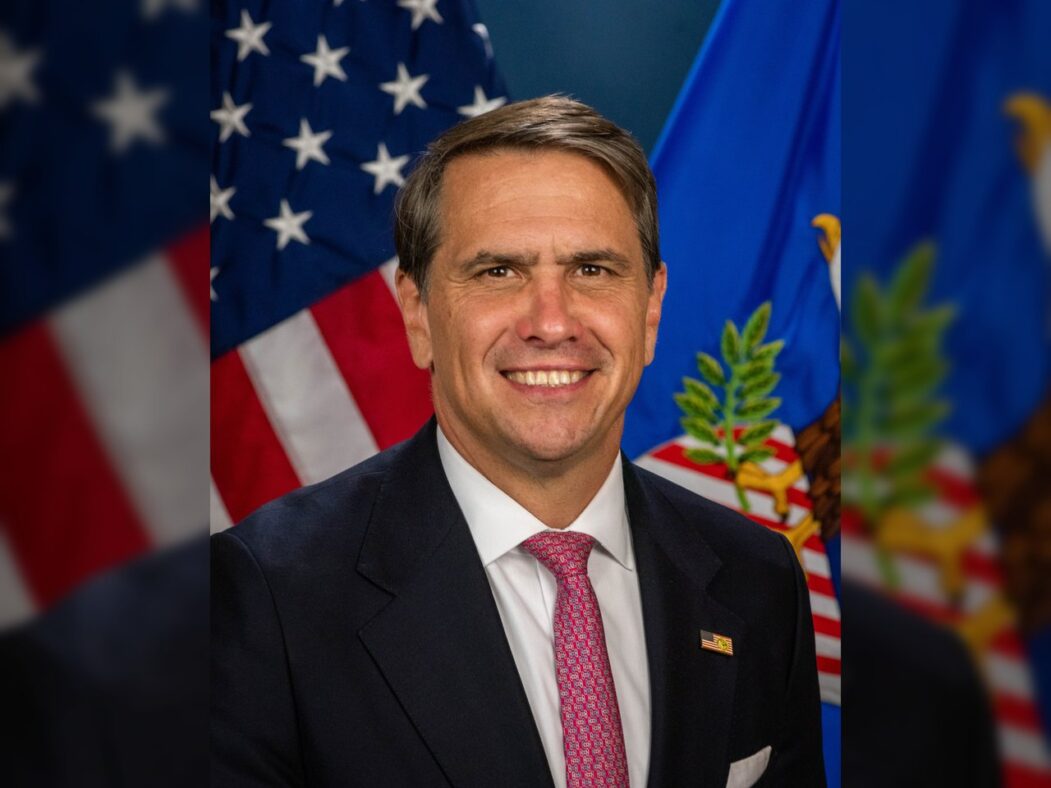
A recent response from the U.S. Department of Justice (DOJ) in a lawsuit over the redaction of Epstein files has raised legal questions that could impact Attorney General Todd Blanche. During a Saturday episode of “The Intersection with Michael Popok,” attorney and Legal AF podcaster Michael Popok criticized a declaration submitted by Shantrell Nicole Collier, the DOJ’s deputy assistant attorney general and chief information officer, for lacking the required sworn statement under penalty of perjury.
Unsigned Declaration Called “Strangest” by Legal Expert
Popok described Collier’s declaration as “the strangest declaration I’ve ever seen.” Although Collier claimed the facts in the declaration were based on her personal knowledge, Popok noted the absence of a jurat—the formal statement that the information is sworn to under penalty of perjury. Without this, Popok argued, the declaration holds little legal weight and is vulnerable to being dismissed. He questioned, “Where oh where is the jurat? Where is the ‘sworn to under penalty of perjury’ that’s required in a declaration?”
Declaration Fails to Meet Court’s Requirements
The declaration was part of a lawsuit filed by journalist and attorney Katie Phang, who is challenging the DOJ’s approach to releasing and redacting Epstein-related records. Popok highlighted that the declaration and its attached list, which were supposed to represent the administrative record justifying the DOJ’s decisions, fell short of the judge’s orders. According to Popok, the list contained 21 items, many of which were already publicly available, and omitted crucial internal communications about redactions and flagged content.
Popok pointedly asked about the missing protocol for handling mentions of President Donald Trump’s name in the records, noting whistleblower accounts confirm such flagging occurred. “Where is it in the administrative record?” he asked. This gap in documentation, Popok said, undermines the DOJ’s transparency and could lead to further legal challenges.
Potential Consequences for Attorney General Todd Blanche
Popok predicted that the incomplete administrative record provided by Collier’s declaration will likely prompt an evidentiary hearing where witnesses may be called to testify. He suggested that Attorney General Todd Blanche himself could be required to appear. The hearing would aim to clarify the DOJ’s internal processes and decisions regarding the Epstein file redactions, potentially exposing weaknesses in the department’s defense.
Legal Community Reacts to DOJ’s Handling of Epstein Records
Popok’s analysis adds to growing scrutiny of the DOJ’s management of Epstein-related documents, particularly under the current administration led by President Donald Trump. The lawsuit by Katie Phang continues to challenge the transparency and completeness of the DOJ’s disclosures. Legal experts and whistleblowers alike are pressing for clearer accountability on how sensitive information, including material related to Trump, was handled.
The case remains ongoing, with significant implications for DOJ administrative practices and the public’s access to information tied to high-profile investigations.
In summary, the DOJ’s unusual and unsigned declaration in the Epstein files lawsuit has created a notable legal vulnerability, calling into question the thoroughness of the department’s administrative record and potentially complicating Attorney General Todd Blanche’s defense.