Federal Judge Sets January 22 Deposition Date for Trump in $10B BBC Defamation Case
A Florida judge has set January 22 as the hard deposition date for President Trump in his $10 billion defamation suit against the BBC.
The White House/Flickr
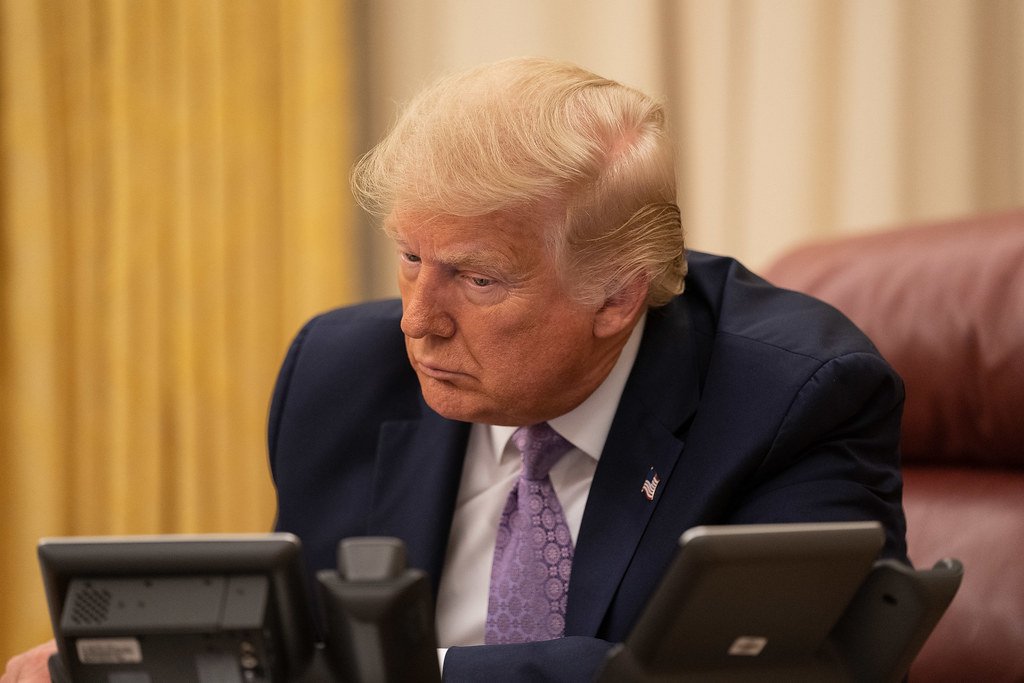
A federal judge in Florida has established January 22 as the firm date for President Donald Trump to testify in his $10 billion defamation lawsuit against the BBC. The ruling follows delays attributed to presidential duties and security concerns, with the BBC accusing Trump of delaying necessary testimony in the case concerning edited clips of his January 6, 2021, speech.
Background of the Deposition Scheduling Dispute
President Trump, the plaintiff in the lawsuit, initially agreed to be deposed on October 16 but withdrew due to “matters of national importance.” His legal team missed a court deadline to schedule the deposition by December 11, a date set by US Magistrate Judge Enjoliqué Lett in late October. The judge warned that missing this deadline could result in penalties, including dismissal of the case. Trump’s lawyers cited the demands of the presidency and the involvement of his security detail as reasons for unavailability for the rest of the year.
Judge Kuntz’s Order and New Deadlines
On November 17, US District Judge Jeffrey Kuntz approved a joint motion extending the deposition deadline to January 22 and pushed the discovery cutoff from December 18 to January 29. The judge emphasized that since it is Trump’s case, he should expect to be deposed, stating, “It appears he acknowledges that reality.” Kuntz ordered both parties to finalize the deposition date by Friday at noon. The BBC accepted Trump’s offer to testify between January 11 and 22 but maintains that Trump has been slow to schedule the testimony.
Security and Scheduling Challenges Cited by Trump’s Legal Team
Trump’s lawyers deny intentional delays, arguing that presidential duties and Secret Service security requirements create unique scheduling challenges. Previous cases, such as Trump’s defamation suit against ABC News, have demonstrated the impact of Secret Service logistics on deposition timing and location. While the BBC acknowledges these constraints, it asserts they should only influence when and where Trump testifies, not whether the deposition occurs.
Details of the Defamation Lawsuit Against the BBC
The lawsuit alleges that the BBC maliciously edited clips of Trump’s January 6, 2021 speech to falsely imply he directed supporters to storm the US Capitol following his election defeat to Joe Biden. Although the BBC admitted the clip was misleading and apologized, it denies defamation liability and is contesting the case in court. On November 10, Judge Kuntz rejected the BBC’s motion to dismiss the lawsuit but dismissed Trump’s unfair trade practices claim, leaving the defamation claim and Trump’s testimony central to the case with a potential $10 billion payout.
Next Steps and Potential Outcomes
The parties must meet before January 22 to select a specific deposition date and identify a secure location. Failure to comply with the scheduled window could trigger penalties previously warned by Judge Lett, including case dismissal. The judge’s order recognizes the need to balance deposition requirements with the realities of protecting a sitting president, leaving open the question of whether “matters of national importance” might again affect scheduling.
Trump has a history of court testimony, having participated in at least eight trials and more than a dozen depositions since 1986. This background may influence how the current case proceeds as both sides navigate legal and logistical challenges ahead of the January deposition.