FAA Ground Stop Sparks Four-Hour Information Gap During Trump Administration
The FAA’s nationwide ground stop led to a four-hour information void, exposing communication flaws under President Trump’s administration.
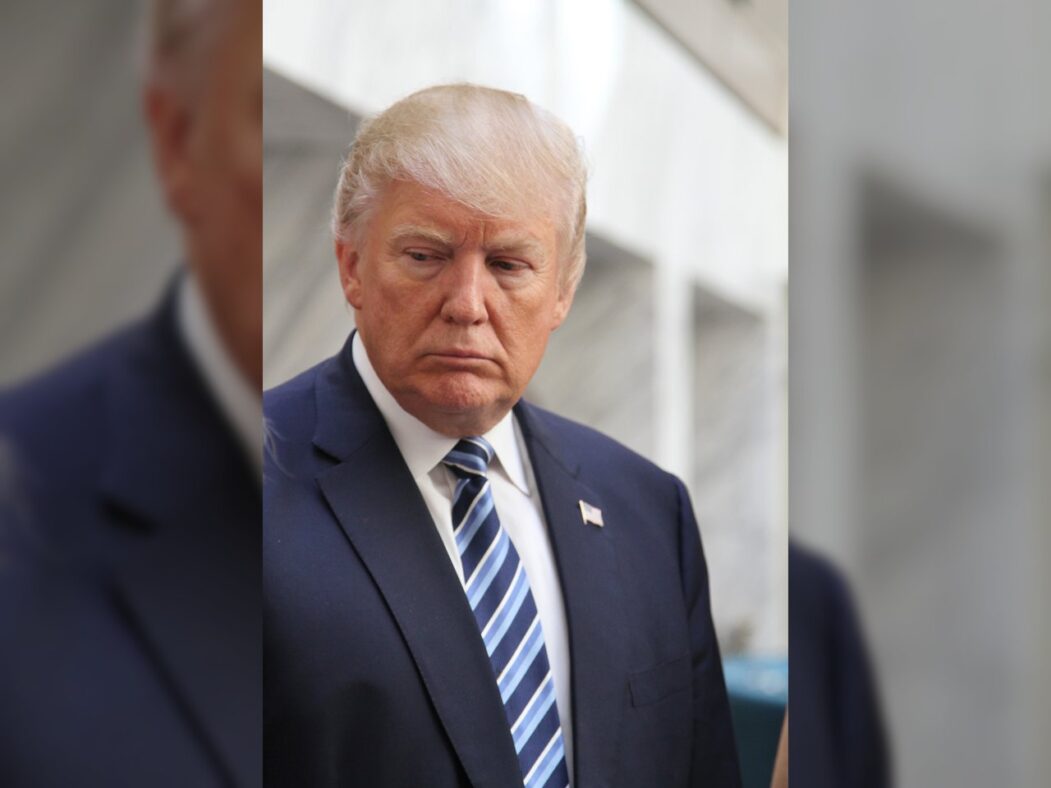
Gedalia Vera/Wikimedia Commons
On a recent nationwide Federal Aviation Administration (FAA) ground stop that froze thousands of flights and left millions of Americans anxious, the White House briefing room remained empty for over four hours, creating a void in information during a critical moment. This communication lapse exposed significant shortcomings in crisis management under President Donald Trump’s administration.
Delayed Response and Mixed Messages
Following the FAA’s alarming order, officials finally appeared to address the public, but rather than a unified voice, Transportation Secretary Sean Duffy and Homeland Security Secretary Markwayne Mullin delivered disconnected and contradictory statements. Their individual podium appearances failed to convey a clear, coordinated message, undermining public confidence during a national disruption.
This disjointed communication approach was widely regarded as a failure, with experts in crisis management expressing frustration at the absence of immediate, steady guidance. The extended silence not only fueled confusion but also created an international embarrassment, reflecting poorly on the administration’s readiness to handle emergencies.
Post-Summit Communication Void
The communication issues extended beyond the FAA incident. After the historic trilateral summit in Shenzhen involving President Trump, Chinese leader Xi Jinping, and Russian President Vladimir Putin, the joint “peace declaration” was released exclusively by Chinese and Russian state media outlets rather than the White House. President Trump departed for the airport without offering immediate remarks, effectively ceding the narrative to Beijing and Moscow.
This absence allowed authoritarian state media to frame the summit as a diplomatic win for China and Russia, leaving the United States struggling to control its messaging on the world stage.
Emerging Cyber Threats and the Need for Clear Communication
On Monday, the Google Threat Intelligence Group and Mandiant issued a report warning that “the era of autonomous attacks has arrived,” highlighting the increasing speed and scale of cyber intrusions facilitated by AI-driven frameworks. These developments indicate that national disruptions could become more frequent and harder to explain.
In such an environment, public trust depends heavily on transparent and competent communication from government officials. However, skepticism toward the Trump administration remains high, particularly when messaging is inconsistent or absent.
The Press Secretary Role and Administration Messaging
Following Katie Zacharia’s five-day tenure marked by communication struggles, debate has intensified over the relevance of the press secretary role. Some argue that President Trump’s direct engagement with the media through frequent posts on Truth Social diminishes the position’s importance. However, relying on a platform dominated by misinformation and grievances does not constitute an effective communication strategy.
Experienced communications professionals emphasize that during crises, a commanding presence at the podium is essential to control the narrative, reassure the public, and maintain trust. The Trump administration’s failures in this regard highlight a critical gap in managing national emergencies.
These recent events underscore the urgent need for a coherent and immediate federal communication strategy that can respond to crises effectively and restore public confidence.