FBI Whistleblower Alleges White House Pressured Unconstitutional Probe of LA Protesters
A former FBI analyst alleges the Trump White House pressured investigations into peaceful LA protesters, violating constitutional rights.
Elvert Barnes/Flickr
Jill Fields, a former FBI supervisory intelligence analyst in Los Angeles, has filed a whistleblower complaint accusing the Trump administration of directing unconstitutional investigations into peaceful protesters. The complaint, submitted to Senate Judiciary Committee leaders on October 6, 2026, alleges that the FBI was pressured by White House officials to target anti-ICE demonstrators, violating their First Amendment rights.
Allegations of Political Pressure Behind FBI Investigations
Fields claims that Emil Bove, then acting deputy attorney general, instructed the head of the FBI’s Los Angeles Field Office to open investigations into protest activities outside federal buildings, despite these being protected free speech. The whistleblower also alleges that the White House ordered FBI Director Kash Patel to investigate protesters using megaphones during immigration enforcement operations, even after FBI agents declined to open a probe following an initial check.
The complaint states that President Donald Trump personally viewed a video of protesters using megaphones to warn residents about immigration enforcement, inform them of their legal rights, and advise not opening doors without judicial warrants. A redacted source told Fields that an investigation would proceed because “the President wants this investigation.”
Impact on FBI Operations and Employee Retaliation
According to Fields, the FBI’s Los Angeles office diverted agents from active cartel investigations to focus on these protests, described by a supervisor as an “optics” effort aimed to “make a show for the president.” Fields said supervisors avoided putting directives in writing, relying instead on face-to-face meetings. After refusing to participate, she was excluded from further involvement and eventually resigned following the removal from leadership of three programs, which she believes was retaliation.
Fields consulted with a senior FBI official responsible for privacy and civil liberties, who expressed dismay over the investigations and planned to resign. The complaint warns that the FBI’s actions have “created a chilling effect within the workforce” and deterred employees from raising constitutional concerns due to fear of professional consequences.
Responses from Justice Department and Congressional Leaders
The Justice Department dismissed the whistleblower complaint as politically motivated, emphasizing that violence is not protected by the First Amendment. A spokesperson said, “Under President Trump, the Department of Justice will continue to vigorously uphold the First Amendment rights of all Americans and restore the rule of law.” They added that the DOJ and FBI must investigate potential federal law violations, including conspiracies to impede law enforcement and assaults on federal officers.
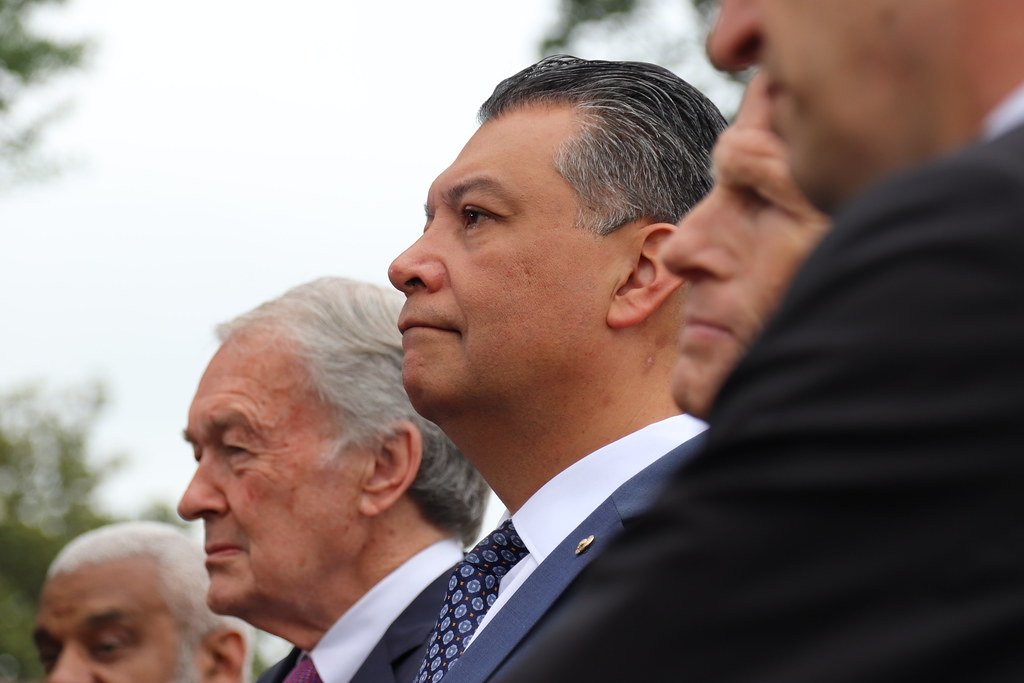
Senator Alex Padilla, D-Calif., the ranking member of the Judiciary subcommittee on immigration, citizenship, and border safety, described Fields’ disclosures as another example of President Trump “weaponizing the Justice Department to go after his perceived political enemies.” Padilla questioned how many other investigations had been opened due to White House pressure despite constitutional concerns.
Broader Context of FBI and DOJ Workforce Changes
The complaint arrives amid a wave of resignations and firings of FBI agents and Justice Department attorneys since President Trump took office in his second term. Many of those departing were involved in investigations related to Trump. Former DOJ employees have voiced worries that the nation’s top law enforcement agencies are increasingly aligned with the president’s political priorities.
Justice Department leaders recently filed administrative complaints against federal judges who spoke publicly about immigration enforcement surges affecting their courtrooms, underscoring tensions between the judiciary and the executive branch.
The whistleblower complaint highlights significant consequences for constitutional rights and the FBI’s integrity, raising concerns about the proper balance between law enforcement duties and political influence within federal agencies.
This case continues to draw attention as lawmakers and watchdogs consider the implications for civil liberties and federal law enforcement independence.