Urban League Report Warns Trump Policies Set Back Black Americans’ Progress
A 2026 Urban League report finds Trump-era policies have worsened economic and civil rights prospects for Black Americans.
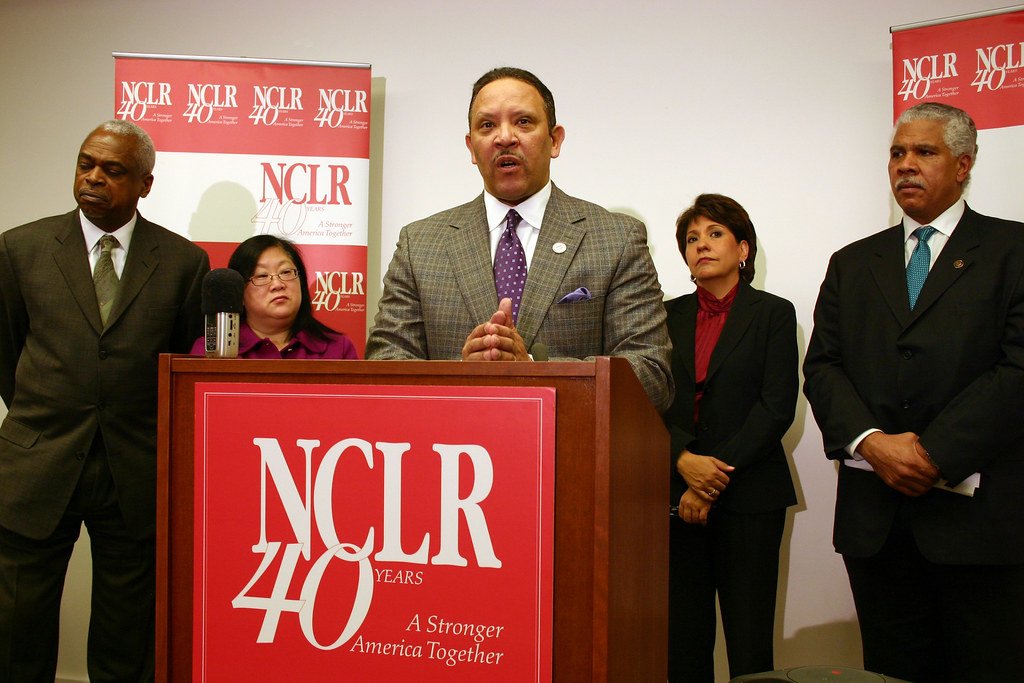
Civil Rights/Flickr
The National Urban League’s 2026 “State of Black America” report paints a stark picture of the challenges Black Americans face today, asserting that policies enacted during the Trump administration have significantly hindered progress toward economic and political equality. Released this week in Washington, D.C., the report warns that the American Dream feels more distant for Black communities now than at any time since the Civil Rights Movement.
Trump Administration’s Impact on Civil Rights and Economic Progress
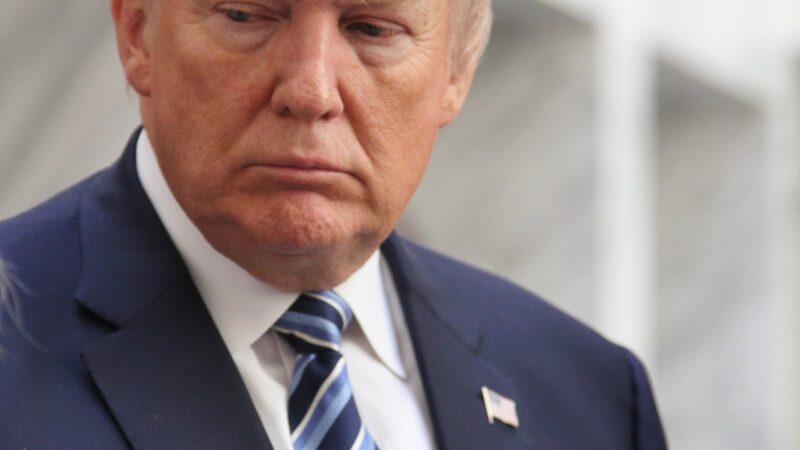
The report highlights several high-profile policy rollbacks under the Trump administration that have reversed gains made in civil rights enforcement and economic inclusion. Key examples include the restructuring of the Justice Department’s Civil Rights Division and the Equal Employment Opportunity Commission, which the Urban League argues weakened protections against discrimination. Additionally, the Trump-era Safeguard American Voter Eligibility Act represented an aggressive push to overhaul voting laws, raising concerns about voter suppression among Black Americans.
Marc Morial, president and CEO of the National Urban League, emphasized the broader consequences of these policies, stating, “While they have targeted and focused on Black Americans, these attacks are going to impact broadly working Americans, poor Americans, aspirational middle-class Americans.” The report asserts that the setbacks for Black Americans serve as warning signs for the nation’s overall prosperity.
Contributions From Influential Leaders and Policy Makers
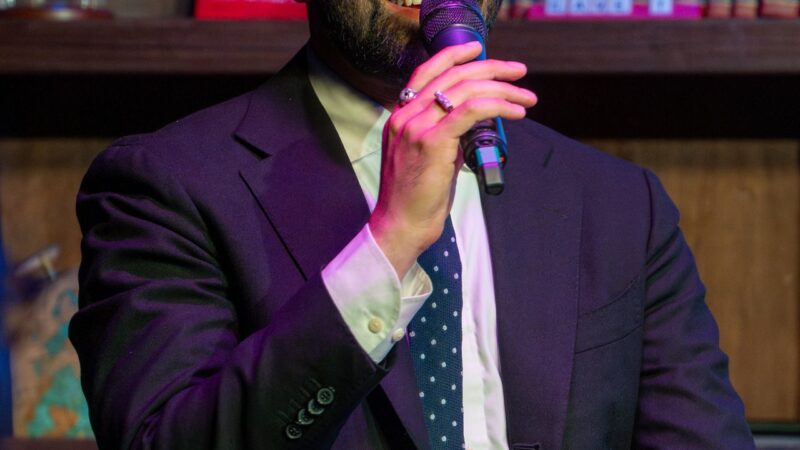
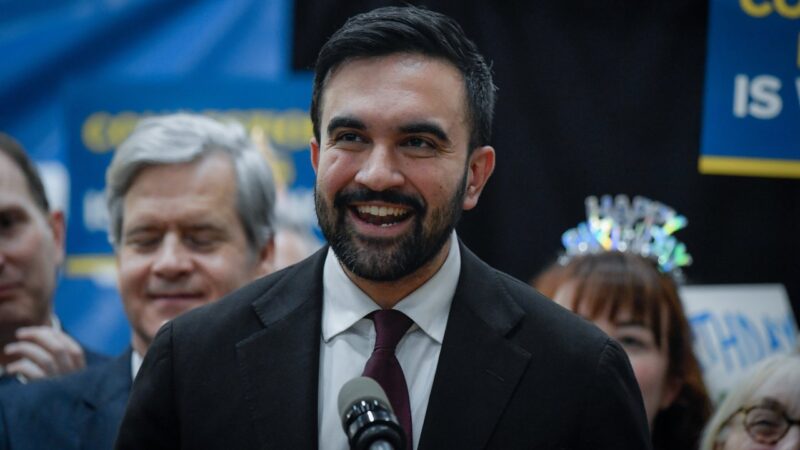
The 50th edition of the Urban League’s report features essays and insights from a range of prominent figures, including U.S. Senators Angela Alsobrooks, Lisa Blunt Rochester, and Raphael Warnock. Maryland Governor Wes Moore, a potential 2028 presidential candidate, contributed an essay on closing the racial wealth gap. Moore reflected on his family’s journey out of poverty and stressed that government efforts alone will not suffice, calling on the private sector and civil society to join in the effort.
Other contributors include Baltimore Mayor Brandon Scott and Minneapolis Mayor Jacob Frey, who provided a video message. Their participation underscores the report’s broad coalition of leaders dedicated to addressing systemic barriers facing Black Americans.
Economic Assault and Corporate Rollbacks
The report also critiques the Trump administration’s stance on corporate diversity, equity, and inclusion (DEI) initiatives. It describes a concerted “economic assault” aimed at dismantling efforts to promote racial equity in the workplace, lamenting that some companies have retreated from meaningful commitments to diversity. Morial noted that while some corporations have merely made cosmetic changes, others have fully abandoned their DEI commitments under pressure.
This reversal contrasts sharply with the Biden administration’s approach, which the Urban League praises for its significant investments in minority small businesses, COVID-19 relief, and infrastructure legislation. According to the report, these efforts represented the most consequential federal investments in Black America since the Great Society era, but the gains remain fragile amid shifting political landscapes.
Looking Ahead: Strategies for Civil Rights Advocacy
In response to these challenges, the report calls for a renewed and unified legal and policy strategy within the civil rights community. It encourages turning courtroom victories into long-lasting policy reforms and stresses the importance of building economic infrastructures independent of any single administration’s goodwill.
The report acknowledges the resilience of Black Americans, noting that despite the current political setbacks, the community has historically overcome even more severe discrimination and adversity. It urges continued advocacy and coalition-building as essential to safeguarding and advancing civil rights gains.
As the nation moves further into 2026, the National Urban League’s report serves as a critical reminder of the ongoing struggle for racial equity and the need for sustained efforts to ensure the American Dream is accessible to all.