For Trump, Results Often Reveal the Art of No Deal
Trump’s dealmaking record, from business to presidency, shows mixed results with many promises falling short or failing outright.
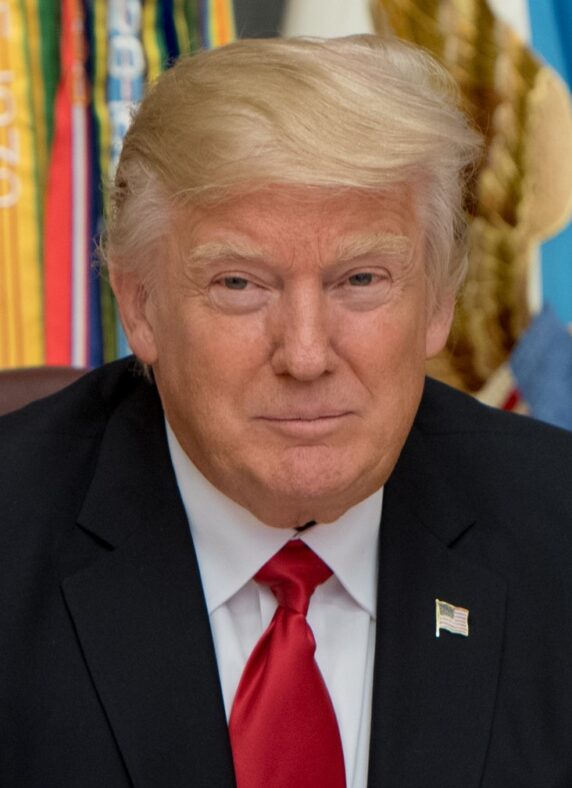
DOD photo by U.S. Air Force Staff Sgt. Jette Carr/Wikimedia Commons
President Donald Trump’s reputation as a master negotiator has been a central theme throughout his career, from his early days in real estate to his time in the White House. Yet, an examination of his deals reveals a pattern where notable failures frequently overshadow successes, challenging the image he continues to project.
Trump’s Deal-Making Persona: From New York to the White House
Long before his presidency, Donald Trump cultivated the image of a shrewd dealmaker. At age 38, shortly after Trump Tower opened and three years before publishing “The Art of the Deal,” he claimed he could negotiate Russian arms control better than Ronald Reagan, stating in 1984, “It would take an hour-and-a-half to learn everything there is to learn about missiles.” His persona as a “consummate, swashbuckling, never-lose negotiator” was a staple of New York tabloids and later reality TV, shaping public perception and bolstering his brand.
Despite a fading narrative as a dealmaking icon before 2004, the launch of “The Apprentice” allowed Trump to reboot his image on a national stage. This persona helped propel his first presidential run, with political experts noting voters’ belief that his wealth and success might translate into effective presidential management.
Mixed Results in the Oval Office
Trump’s presidency saw ambitious dealmaking promises that often failed to come to fruition. He boasted about quickly defeating Iran, yet the conflict endured beyond his predictions. His announced ceasefire in Iran was short-lived, and claims that Tehran sought a deal to end fighting were inaccurate.
Similarly, Trump promised to end Russia’s war in Ukraine within a day, announcing an agreement to protect energy infrastructure between Moscow and Kyiv. That agreement never held, despite Trump’s insistence that the deal was honored, stating, “I said, ‘You agreed.’ That’s why.” His trade policies involved imposing tariffs worldwide, including on allies like Canada, sparking trade wars and raising domestic prices. The tariffs generated over $83 billion through September this year but fell short of the federal revenue Trump had suggested.
Even smaller-scale projects faltered under Trump’s watch. He claimed to have a “guy who’s unbelievable at doing swimming pools” to fix the Lincoln Memorial’s Reflecting Pool for just over $1 million; costs have now ballooned closer to $20 million.
Patterns of Negotiation and Leverage
Trump’s approach to dealmaking in office reflected patterns familiar from his business ventures. He often exaggerated successes, then sought to mitigate costly errors by refusing payments or resorting to litigation. His greatest successes came when he held maximum leverage over the other party. Experts observe that Trump’s style does not translate well to complex global negotiations where nuanced diplomacy is essential.
Christopher Preble, a senior fellow at the Stimson Center, noted, “He’s not as good at this as he thinks he is.” Negotiation specialist Marty Latz echoed this view, saying Trump treated most deals as zero-sum games, sometimes succeeding but also failing spectacularly. Barbara Res, who worked with Trump for 18 years, highlighted how his ego prevents necessary concessions, making it impossible for deals to continue if he perceives any loss.
Continuing the Deal-Maker Myth Amid Declining Support
Despite near-historic lows in approval ratings, President Trump maintains his claim as one of the greatest dealmakers. His political rallies still focus on his negotiation prowess, appealing to voters to embrace him as a proven success. Yet, political analysts suggest that the coming midterm elections, including the pivotal November 3 vote, may reveal just how much the public believes in his competence as a manager and dealmaker.
Trump’s narrative remains a powerful tool, but the record of broken promises, failed agreements, and inflated claims complicates the image he projects. His legacy as a negotiator may ultimately be judged not by the deals announced but by those that never came to pass or collapsed under pressure.
While some deals under Trump’s administration did succeed or remain in progress, the overall pattern underscores a dealmaking art often marked by no deal at all.