DOJ Official Says NJ Gov. Sherrill Knew Voter-Roll Issues Before Calling Trump a Liar
Justice Dept. official claims Gov. Sherrill was aware of New Jersey’s voter-roll problems before dismissing Trump’s election fraud claims.
Tzim78/Wikimedia Commons
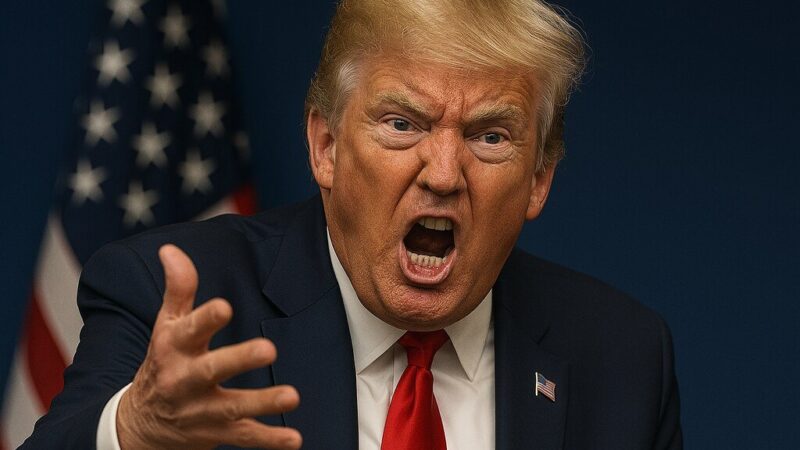
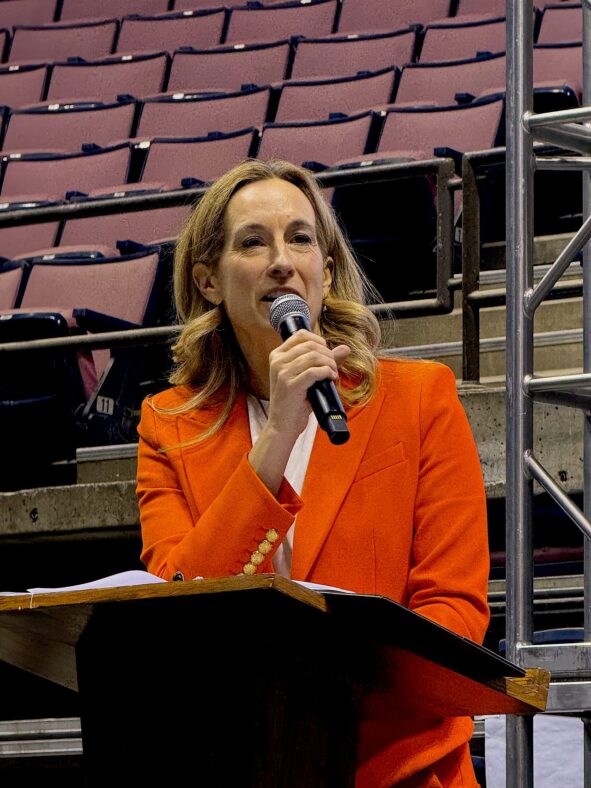
Assistant Attorney General Harmeet Dhillon of the U.S. Justice Department accused New Jersey Governor Mikie Sherrill of publicly calling former President Donald Trump a liar about election claims despite allegedly knowing in advance about a pending voter registration scandal in New Jersey. The dispute centers on revelations made in mid-July 2026 concerning tens of thousands of potential noncitizens on New Jersey’s voter rolls, which were disclosed just days after Trump’s July 16 speech alleging widespread election integrity problems.
Timing of Voter-Roll Revelations and Sherrill’s Response
On July 16, 2026, former President Trump delivered a prime-time address accusing China of stealing sensitive U.S. voter data and accused several Democrat-led states, including New Jersey, of having large numbers of noncitizens registered to vote. Alongside the speech, Department of Homeland Security data revealed over 35,000 potential noncitizens on New Jersey’s voter registration lists.
Assistant Attorney General Dhillon stated that Governor Sherrill was aware that this issue would soon be made public but still joined a coalition of Democratic governors dismissing Trump’s claims as lies and conspiracy theories. “She knew it, and she still went online and called the president a liar and said he was exaggerating – Shame on you, governor,” Dhillon said in a July 27 statement.
Sherrill and Democratic Governors Push Back Against Trump
Following Trump’s speech, Governor Sherrill co-signed a statement with 23 other Democratic governors led by Kentucky Governor Andy Beshear condemning Trump’s allegations. The statement accused Trump of undermining public confidence in free and fair elections and of attempting to intimidate voters.
“It’s deeply alarming that President Trump continues to try to undermine free and fair elections. No amount of lies and conspiracy theories can change the fact that our country’s elections have repeatedly been proven to be safe and secure,” the statement read. It further emphasized that Democrats are focused on policies benefiting American families, including lowering costs and protecting freedoms, suggesting that Trump’s attacks are politically motivated.
DOJ Demands Cooperation; Sherrill Resists Data Requests
The Justice Department has urged states to cooperate in investigating all credible claims of voter registration irregularities. Dhillon warned that states refusing to comply with federal requests for voter data could face legal action. She noted that illegal votes disenfranchise lawful voters, emphasizing the importance of cleaning up voter rolls promptly.
Despite the DOJ’s demand for voter data, Governor Sherrill indicated she would not comply immediately. In comments to WCBS, she accused the Trump administration of weaponizing the issue for political purposes rather than focusing on election security. A spokesperson for Sherrill pointed to ongoing state-led investigations and stressed the need for transparency and accuracy in addressing the voter-roll problems.
Broader Resistance by States and Legal Battles
New Jersey is not alone in resisting DOJ demands. States such as Pennsylvania and New York have also declined to share voter registration data, citing federal and state privacy laws. The Justice Department has initiated lawsuits against certain officials, including New Jersey Lieutenant Governor Dale Caldwell, to enforce compliance.
Governor Sherrill’s stance and the DOJ’s pressure highlight the ongoing national debate over election integrity, federal oversight, and states’ rights as the 2026 midterm elections approach. The controversy continues to fuel partisan tensions while raising questions about the best path to secure and transparent elections.
As the dispute unfolds, the core issue remains the integrity of voter rolls and the balance between protecting voter privacy and ensuring every vote cast is legitimate. Both federal and state officials face pressure to resolve these concerns swiftly to maintain public trust in the democratic process.