Former FBI Agent Sues Kash Patel Over Unlawful Termination Citing First Amendment
Stephen Friend, a former FBI agent, sues Director Kash Patel for firing him over public comments on a federal investigation.
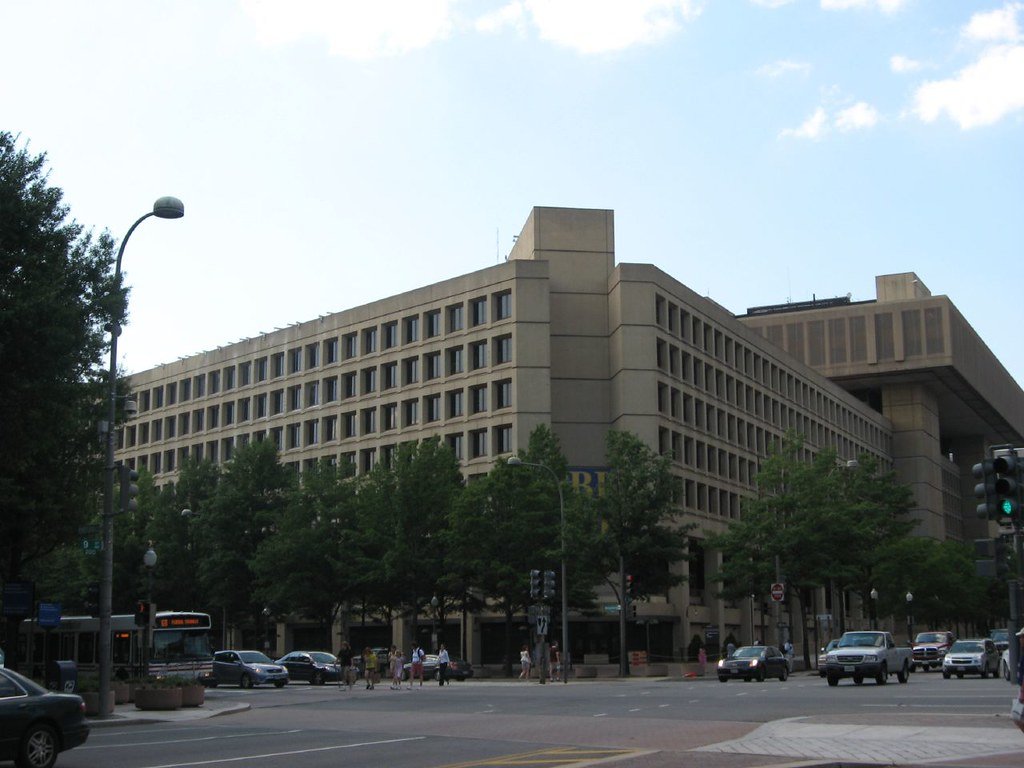
Ken Lund/Flickr
Stephen Friend, a former FBI special agent, has filed a federal lawsuit accusing FBI Director Kash Patel of unlawfully terminating his employment after Friend spoke publicly about a high-profile federal investigation. The complaint, filed in Florida on Thursday, claims that Friend’s dismissal violated his First Amendment rights because his comments were made as a private citizen and did not interfere with FBI operations.
Background of the Lawsuit and Timeline
The 16-page complaint details Friend’s troubled history with the FBI, including prior retaliation for whistleblower activities in 2022. After being reinstated as a special agent in September 2025 at the Jacksonville Field Office, Friend’s renewed career was cut short when he was fired in mid-December 2025. His termination letter, dated December 12, 2025, was signed by Patel and cited Friend’s public commentary on podcasts discussing the FBI’s investigation into two pipe bombs linked to the January 6 attack on the U.S. Capitol.
During the administrative holdover period between reinstatement and termination, Friend was restricted within FBI facilities, remaining under escort and performing no official duties. Despite this, he appeared on several podcasts from October through December 2025, offering critical commentary about the investigation and agency conduct.
Details of Friend’s Public Comments and FBI’s Response
Friend’s commentary included discussion of the FBI’s handling of evidence and accountability in the pipe bomb investigation. The lawsuit emphasizes that his speech was delivered outside his official duties and did not represent the FBI. One podcast referenced the December arrest of a suspect, with Friend suggesting a “put up job” by the FBI related to that arrest.
The termination letter accused Friend of “unprofessional conduct and poor judgment,” citing his podcast remarks as concerning ongoing investigations. Friend and his legal team argue this characterization was a false pretext for retaliation against protected speech.
Legal Arguments and First Amendment Claims
The complaint asserts that Friend’s speech was protected under the First Amendment because it was made as a private citizen addressing matters of significant public interest. It stresses that his comments were not part of any official FBI communication, nor did they disrupt agency operations or investigations.
“Protected criticism does not lose constitutional protection solely because agency leadership finds it unwelcome or its tone forceful,” the lawsuit states. It also claims that Friend’s protected speech was a substantial or motivating factor in his dismissal, which would not have otherwise occurred.
Relief Sought and Implications
Friend’s lawsuit seeks to overturn the termination, restore his employment subject to lawful eligibility requirements, and correct his personnel records. He also demands back pay, unpaid compensation, attorney fees, and other relief. His attorney, Anthony Sabatini, described the firing as unjustified, emphasizing Friend’s record as a “highly awarded special agent” who did not violate FBI policy.
This case raises important questions about the limits of agency authority and the constitutional protections afforded to federal employees who speak out on matters of public concern.
As the lawsuit progresses, it will test the balance between agency disciplinary powers and individual free speech rights, particularly within sensitive federal investigations.