Former RFK Jr. Adviser Accuses Trump Officials of Corruption Over Vape Policy
Calley Means, ex-adviser to RFK Jr., alleges Trump officials favored vaping and industry interests over voter health during midterms.
USDAgov/Wikimedia Commons
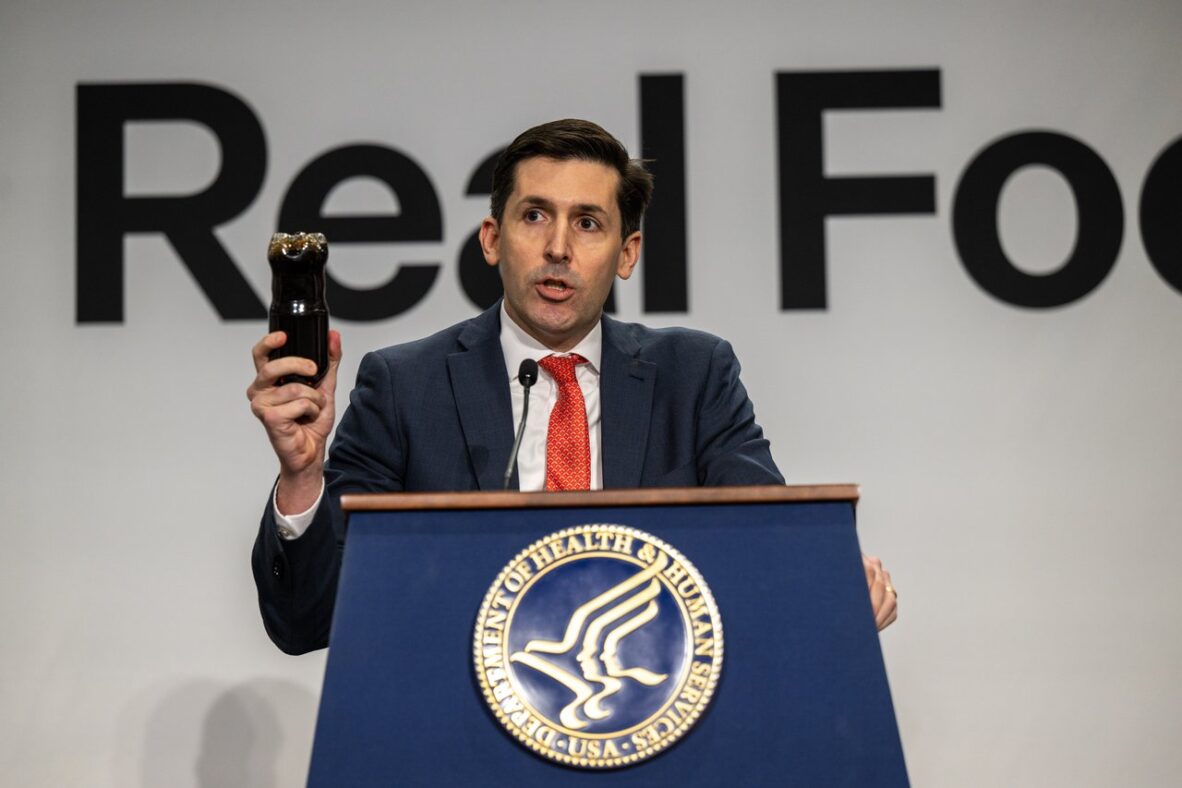
Calley Means, a former senior White House adviser and top aide to Health and Human Services Secretary Robert F. Kennedy Jr., publicly accused several Trump administration officials of placing industry profits above public health during the midterm elections. Means specifically targeted White House chief of staff Susie Wiles and her close associates, alleging they pushed policies favoring the vaping, pharmaceutical, and pesticide industries.
Allegations of Industry Influence Within the White House
Means detailed his accusations in interviews with CBS News and on “The Joe Rogan Experience” podcast, claiming that under President Donald Trump’s administration, a “very close-knit crew” of advisers, including Wiles and her deputy James Blair, prioritized campaign funding from these industries over voters’ health concerns. He stated, “Underneath Trump’s nose, in many cases, you had a group of former lobbyists, catering to the vaping industry, catering to the ultra-processed food industry, catering to the pharmaceutical industry, catering to the pesticide industry and doing their bidding with an excuse that we need their money for the midterms and really need to actually go against what voters said.”
Means helped found the “Make America Healthy Again” movement and played a key role in the alliance between Trump and Kennedy during the 2024 campaign. He also contributed to efforts at HHS to revise dietary guidelines and remove soda and candy from SNAP benefits before his resignation last month.
Push for Fruit-Flavored Vapes and FDA Approval
The controversy centers largely on the administration’s support for fruit-flavored e-cigarettes. Means alleged that Wiles and Blair pressured the Food and Drug Administration (FDA) to approve these products, which critics say appeal to children. In early May, the FDA approved some fruit-flavored vapes, a move linked to this pressure.
Blair denied Means’ claims, stating, “I didn’t promote flavored vaping specifically at all. I was tasked with driving FDA to make its process for approving or denying nicotine delivery device applications work the way current federal law dictates it works.” He accused Means of misrepresenting his role due to opposition to the issue.
Two sources confirmed Blair was assigned by President Trump to expedite the FDA’s response to nicotine product applications, aligning with Trump’s 2024 campaign promise to “save” vaping and support flavored products as smoking alternatives.
FDA Commissioner Resignation and Political Pressure
Dr. Marty Makary resigned as FDA commissioner in May amid reports of White House pressure to approve fruit-flavored vapes. Makary stated, “Big tobacco exploited their connections to administration and HHS officials to put repeated pressure on me to approve fruit-flavored vapes that appeal to children—I wouldn’t do it.” He also criticized political corruption influencing regulatory decisions.
Multiple sources confirmed that tobacco lobbyists met with President Trump at his Florida golf course to discuss e-cigarette regulation, a meeting Means claims was arranged by Wiles. Wiles has denied organizing this meeting and the related allegations.
Wiles’ Resignation and Its Aftermath
Susie Wiles submitted her resignation on Thursday night following the Republicans’ midterm election setbacks, according to multiple sources. Her departure became public after President Trump taped an interview with “60 Minutes” on Friday. When asked if he intended for Wiles to be removed, Means answered, “Yes. I think President Trump has been subverted by people that are beholden to special interests and not what President Trump ran on, and what voters voted for.” It remains unclear if Means’ public statements influenced the timing of Wiles’ exit.
Wiles denied Means’ allegations in a statement to CBS News, maintaining she did not facilitate tobacco industry meetings at the president’s golf course.
Earlier in 2026, President Trump signed an executive order boosting production of glyphosate, a herbicide linked to cancer, which Kennedy had long opposed. Kennedy commented on the order, stating, “Our agricultural system depends heavily on these chemicals.”
The unfolding accusations highlight ongoing tensions within the administration between public health advocates and industry-aligned officials as the Trump White House continues its second term.
Means’ revelations raise questions about the influence of special interests on health policies and the administration’s commitment to voter priorities amid political challenges.