Mitch McConnell’s Silence on Midterms Sparks Renewed Calls for Term Limits
Senator Mitch McConnell’s silent reaction to midterm losses fuels conservative calls for congressional term limits.
NASA/Bill Ingalls/NASA
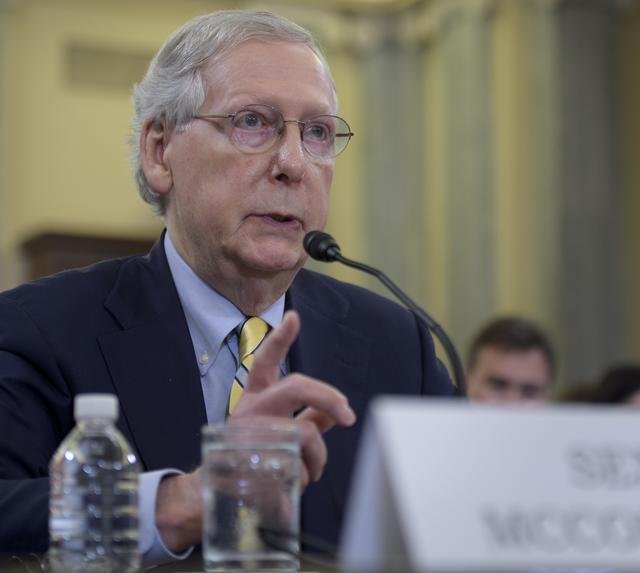
Senator Mitch McConnell’s lack of response when asked about the recent midterm election results has reignited conservative calls for congressional term limits. The Kentucky Republican’s silent reaction, captured in a widely viewed video, has intensified scrutiny on his long tenure and health concerns as he nears the end of his Senate career.
McConnell’s Silent Reaction to Midterm Questions
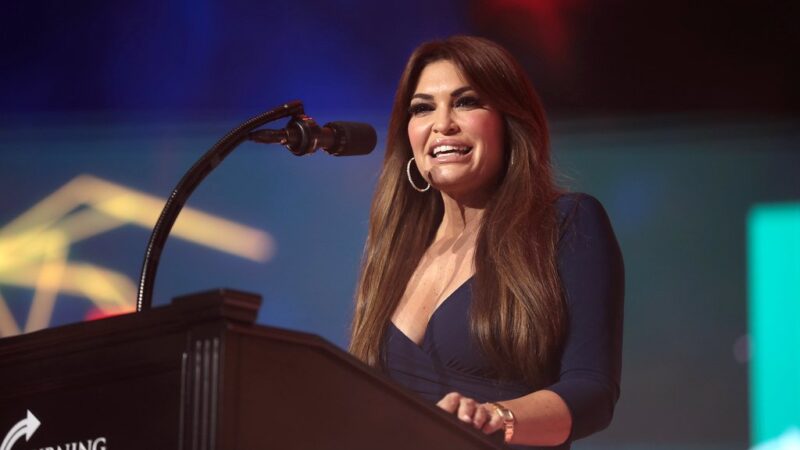
A video posted on X shows McConnell being asked by Newsmax correspondent Kilmeny Duchardt for a “quick reaction to the midterms” and the GOP’s losses. Instead of answering, McConnell looks toward the camera and then straight ahead, remaining expressionless and silent. The clip has been viewed over 4 million times, drawing widespread attention and sparking debate among conservatives.
Prominent conservative figures reacted strongly to the clip: New Mexico Representative John Block tweeted “term limits,” conservative commentator Shawn Farash called for “Term limits and age limits now,” and the Facebook account for Steve Gruber’s Real America’s Voice show posted, “We need TERM LIMITS!”
Health Concerns and McConnell’s Upcoming Retirement
This incident adds to the ongoing scrutiny surrounding McConnell’s health. In June, the senator was hospitalized after a fall that caused brief unconsciousness and was later treated for mild pneumonia, requiring rehabilitation and physical therapy. His prolonged absence led to criticism from Kentucky Governor Andy Beshear, who accused Republicans of ignoring questions about McConnell’s condition.
McConnell returned to the Senate on September 14 after nearly three months away. At 84 years old and having served since January 1985, McConnell is one of the longest-serving members in Congress. He announced he would not seek re-election, with his term ending on January 3, 2027. Republican Rep. Andy Barr won the November 2026 Senate race in Kentucky and is set to succeed him, leaving McConnell with less than two months remaining in office.
The Debate Over Congressional Term Limits
Unlike the presidency, members of Congress face no constitutional limits on the number of terms they can serve, allowing senators and representatives to remain in office as long as they win elections. Senators serve six-year terms, and House members face re-election every two years. There are no maximum age limits beyond minimum age requirements set by the Constitution.
Despite this, public support for term limits remains strong. A Marist Institute for Public Opinion and NPR poll found that 83 percent of Americans favor congressional term limits, including 78 percent of Democrats and 89 percent of Republicans. The poll surveyed 1,322 adults from April 27-30 with a margin of error of plus or minus 3.1 percentage points.
Legal challenges have blocked term limits at the state level. The U.S. Supreme Court ruled in 1995 that states cannot impose additional qualifications on members of Congress beyond those in the Constitution. Therefore, implementing term limits would require a constitutional amendment.
Earlier in 2025, Republican Senator Ted Cruz and Representative Ralph Norman introduced a resolution calling for term limits. However, the resolution stalled in Congress.
McConnell’s Leadership and Legacy
McConnell retired as Senate Republican leader in November 2024 after nearly 18 years in the role, making him the longest-serving party leader in Senate history. Despite stepping down from leadership, he continued to represent Kentucky as a Republican senator until his announced retirement in January 2027.
His recent silence on the midterm losses and ongoing health questions have intensified debate about his capacity to serve and the broader issue of congressional longevity. Newsweek has reached out to McConnell’s office for comment but has not received a response as of Monday.
As McConnell’s Senate career draws to a close, the calls for congressional term limits and age restrictions are gaining renewed momentum, highlighting a growing divide within conservative circles and the broader American public regarding the future of congressional service.