Gavin Newsom Blasts Trump Amid Record Diesel, Gas Prices in California
California faces near $8 diesel and record gas prices; Gov. Newsom blames President Trump amid Iran tensions and fuel uncertainty.
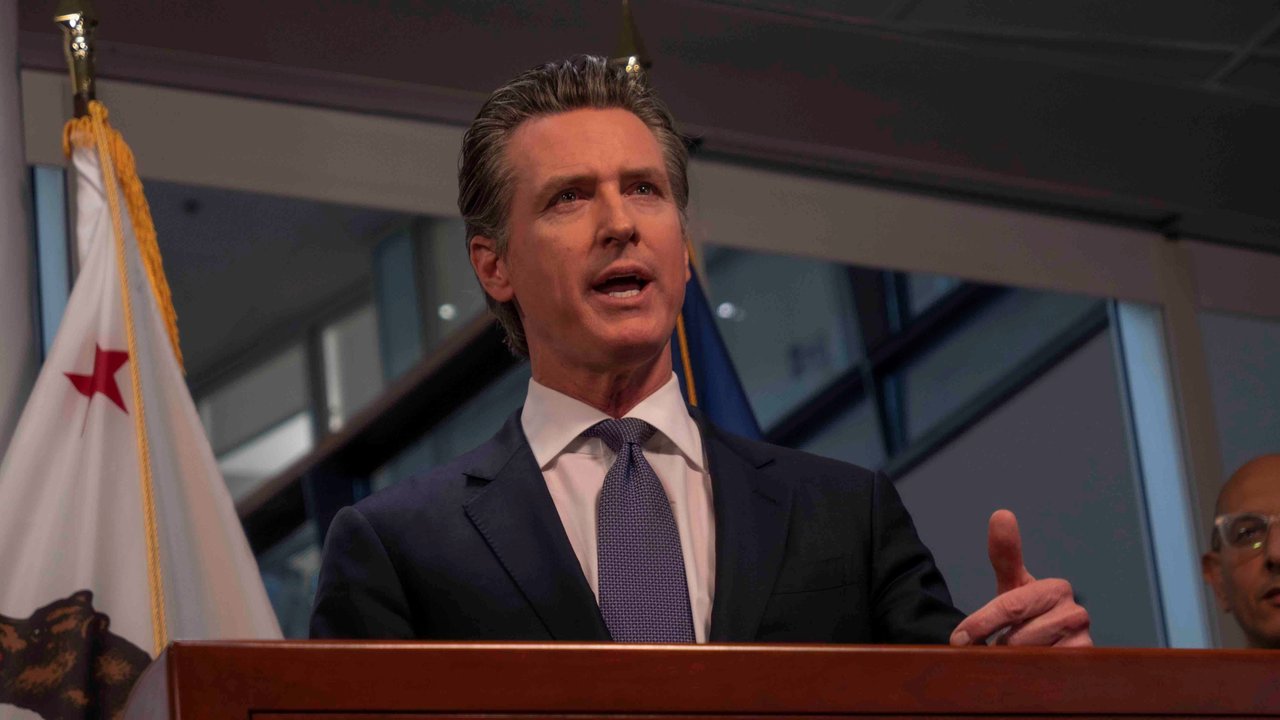
Office of the Governor of California/Wikimedia Commons
California Governor Gavin Newsom sharply criticized President Donald Trump this week as diesel prices in the state approach $8 per gallon and gasoline hits unprecedented levels nationwide. The surge in fuel costs comes amid escalating tensions in the Middle East and uncertainty over oil shipments through the strategic Strait of Hormuz, raising concerns about America’s energy security under the Trump administration.
Newsom Calls Out Trump on Rising Fuel Costs
On Monday, Governor Newsom took to the social media platform X to condemn the skyrocketing gas prices, directly linking the crisis to President Trump’s policies. Quoting Energy Secretary Chris Wright’s recent interview with ABC, where Wright suggested prices would ease as summer driving season ended, Newsom responded sharply: “Gas rationing has arrived in Trump’s America. Great work, Chairman Donald!”
The governor’s press office further amplified the criticism by sharing a post from Ivanka Trump, who had posted a casual video unrelated to the fuel crisis. The juxtaposition of her leisurely content against headlines about record-high gas prices during Labor Day weekend underscored Newsom’s point about the administration’s perceived disconnect from rising costs burdening Americans.
Diesel Prices Near $8 in California Amid Iran Tensions
Fuel prices have surged nationally, but California is feeling the pinch most acutely. Former Congresswoman Marjorie Taylor Greene also weighed in, highlighting that the price of diesel in the state is nearing $8 a gallon — a historic high that threatens freight and transportation costs across the region.
Industry analysts attribute much of the volatility to increased geopolitical risks. The ongoing conflict involving Iran has heightened fears over oil supply disruptions, especially around the Strait of Hormuz, a vital chokepoint for global oil shipments. These tensions have stoked market anxieties, pushing fuel prices upward despite government reassurances.
Energy Market Analysts Question Trump’s Influence
Risk analyst Brett Erickson commented on the evolving energy landscape, noting President Trump’s waning influence over the oil markets. “Trump has no real power to jawbone the markets anymore,” Erickson said, suggesting that Iran’s strategic moves aim to undermine the president’s standing ahead of the November midterm elections.
Erickson’s remarks reflect broader skepticism about the administration’s ability to stabilize energy prices amid complex international dynamics. While the White House has promised relief, market forces driven by supply uncertainty and geopolitical risks remain dominant factors.
Impact on Consumers and the Economy
The fuel price surge is already impacting consumers and businesses throughout California and the broader United States. Higher diesel costs translate into increased expenses for trucking and logistics, which could push up prices for goods and services. For everyday drivers, the gas pump pinch is felt directly, with many households facing steeper budgets just as the summer travel season slows down.
Economists warn that prolonged high fuel prices could weigh on economic growth, dampening consumer spending and increasing inflationary pressures. The political stakes are high as voters assess the administration’s handling of energy issues ahead of the midterm elections.
Key factors contributing to the current fuel crisis include:
- Escalating conflict and sanctions involving Iran
- Disruptions and risks to oil transit through the Strait of Hormuz
- Market uncertainty limiting investment in new supply
- Political tensions affecting global energy cooperation
As California wrestles with near $8 diesel and record gas prices, critics like Governor Newsom are intensifying pressure on President Trump’s administration to provide solutions that address both immediate costs and long-term energy stability.
While government officials promise that prices will ease, the situation remains volatile with significant implications for consumers, the economy, and the political landscape in 2026.